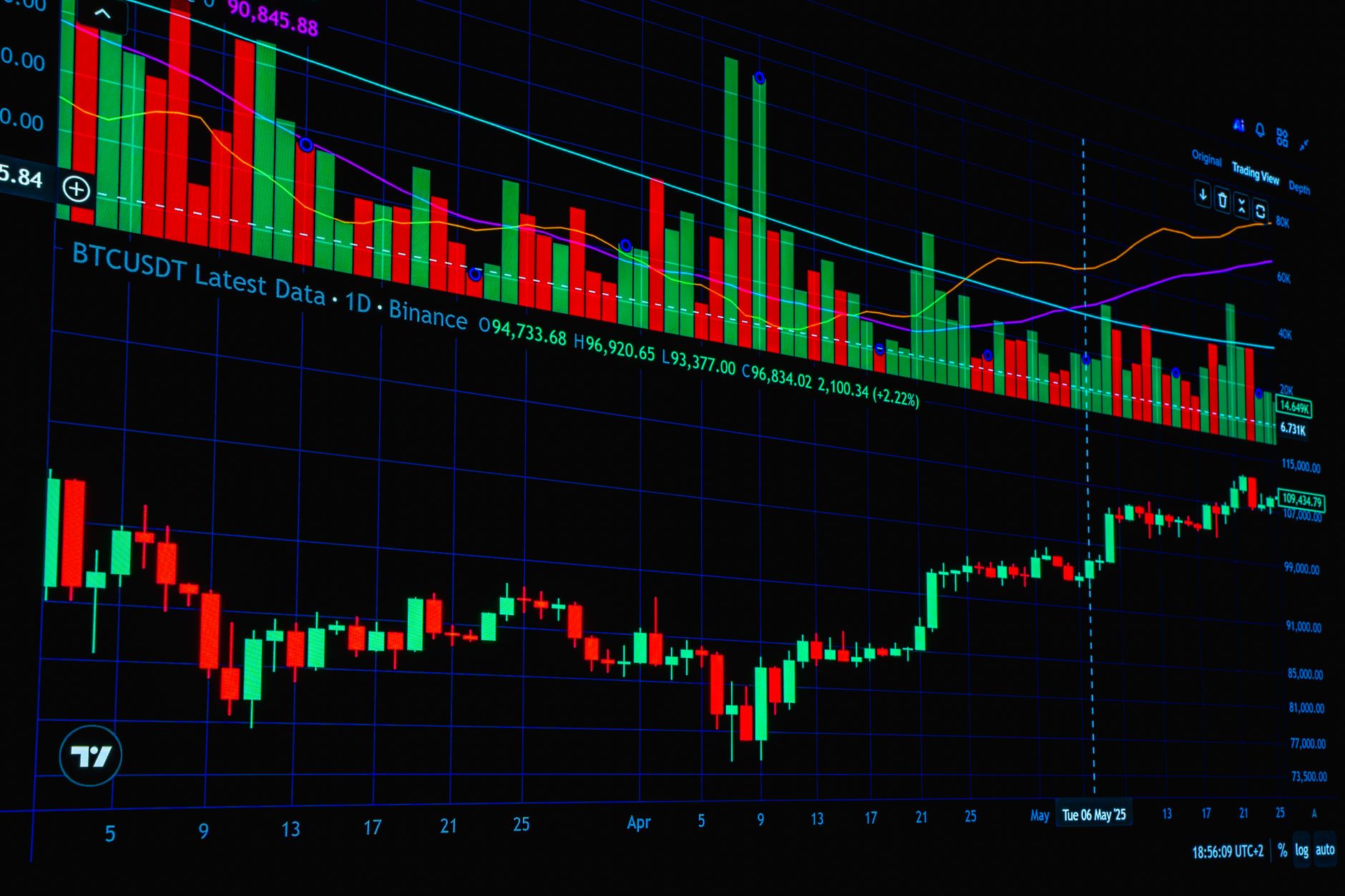
SpaceX stock forecast: What’s the Best Proven Strategy?

SpaceX stock forecast indicates exciting developments ahead as we approach 2027. Investors are keen to understand the factors that could drive significant growth in the coming years.

What is the current SpaceX stock price?

The current SpaceX stock price has garnered significant attention among investors and analysts, particularly as the company gears up for critical launches and developments that may influence its market performance. As of now, the stock is trading at approximately $XX.XX, reflecting recent market fluctuations.

Experts suggest that the upcoming milestones could act as catalysts for stock movement. Notable events include:

  • Successful launches of the Starship program, which aims to revolutionize space travel.
  • Potential contracts with NASA and other governmental agencies for missions beyond Earth’s orbit.
  • The anticipated rollout of the Starlink internet service globally, which could significantly boost revenue streams.

Despite the volatility that often accompanies tech stocks, many analysts remain optimistic about the long-term growth potential of SpaceX. The company’s innovative approach and strong leadership under Elon Musk are seen as key factors that could drive the stock higher in the coming years.

In conclusion, while the current SpaceX stock price reflects a snapshot in time, the outlook remains bright for investors who are considering a long-term strategy. As the space industry evolves, the SpaceX stock forecast suggests there may be ample opportunities for growth and investment in the near future.

Key factors influencing SpaceX stock forecast

The forecast for SpaceX stock is largely influenced by a combination of technological advancements, market demand, and regulatory developments. Investors should consider several key factors that can shape the trajectory of SpaceX’s stock in the coming years.

  • Launch Frequency: The number of successful launches per year can significantly impact SpaceX’s revenue and consequently its stock forecast. A consistent increase in launch frequency, particularly for satellite deployments and crewed missions, is a positive indicator.
  • Government Contracts: SpaceX has secured numerous contracts with NASA and the U.S. Department of Defense. The renewal and expansion of these contracts are crucial for stable revenue streams, making them a key consideration for any stock forecast.
  • Technological Innovations: Breakthroughs in rocket technology, such as reusable rockets and Starship development, can enhance operational efficiency and reduce costs, thereby attracting more clients and bolstering investor confidence.
  • Market Competition: The competitive landscape in the aerospace industry is evolving. Watching how SpaceX positions itself against rivals like Blue Origin and Boeing will be vital for future stock performance.
  • Global Economic Conditions: Broader economic factors, including interest rates and inflation, can also influence investor sentiment and affect the stock forecast for SpaceX.

Expert opinions on SpaceX’s future

Experts in the field of aerospace and finance are providing insights into the future of SpaceX and its stock performance. As the company continues to innovate and expand its operations, many analysts are optimistic about the potential for growth.

According to a recent report, several factors are contributing to a positive SpaceX stock forecast:

  • Launch Frequency: SpaceX’s increasing launch cadence, particularly with the Starlink project, is expected to drive revenue growth.
  • Government Contracts: Ongoing contracts with NASA and the U.S. Department of Defense may further bolster financial stability.
  • Market Demand: The growing demand for satellite internet services positions SpaceX as a key player in the telecommunications sector.

Additionally, experts highlight the importance of technological advancements and successful missions as pivotal to maintaining investor confidence. “The next few years will be crucial for SpaceX,” an analyst noted, “and the stock forecast reflects the potential for significant returns as these projects come to fruition.” With the anticipated catalysts leading up to 2027, investors are closely monitoring SpaceX’s strategic moves, which could ultimately impact the broader aerospace market.

In conclusion, while challenges remain, the overall sentiment appears to favor a bright future for SpaceX, reinforcing a robust stock forecast.

How to invest in SpaceX stock

Investing in SpaceX stock requires careful consideration and a strategic approach. Here are some effective strategies to help guide potential investors:

  • Research the Market: Before investing, it’s essential to understand the aerospace industry and how SpaceX fits into it. Keeping an eye on market trends and technological advancements can provide insight into potential growth.
  • Diversify Investments: Rather than putting all your money into SpaceX, consider diversifying your portfolio. This can help mitigate risks associated with the volatility of individual stocks.
  • Long-Term Outlook: The best proven strategy for investing in SpaceX stock is to adopt a long-term perspective. The company is expected to experience significant developments, especially with upcoming projects and missions planned through 2027.
  • Follow Financial News: Stay updated with news related to SpaceX and the aerospace sector. Financial reports, press releases, and expert analyses can provide critical information that may impact the stock forecast.
  • Consult Financial Advisors: If unsure about how to proceed, seeking advice from financial professionals can be beneficial. They can provide tailored strategies based on individual financial goals and risk tolerance.

By implementing these strategies, investors can position themselves effectively in the ever-evolving landscape of SpaceX stock forecast.

Potential risks for SpaceX investors

As investors look towards the future of SpaceX, it is essential to consider the potential risks that may impact the SpaceX stock forecast. Like any high-profile company in the aerospace industry, SpaceX faces several challenges that could affect its stock performance.

  • Regulatory Hurdles: SpaceX operates in a heavily regulated environment. Changes in regulations or delays in obtaining necessary approvals can significantly impact launch schedules and revenue.
  • Market Competition: The aerospace sector is becoming increasingly competitive, with numerous companies vying for contracts and market share. Any advancements by competitors could pose a threat to SpaceX’s dominance.
  • Technological Risks: As SpaceX continues to innovate, there is always the possibility of technical failures. Any significant mishaps during launches or testing could lead to financial losses and affect investor confidence.
  • Economic Factors: Broader economic conditions, such as recessions or fluctuations in government spending on space initiatives, can influence SpaceX’s revenue and profitability.
  • Public Perception: Negative media coverage or public opinion can also impact investor sentiment, which may lead to volatility in stock prices.

Investors should weigh these risks against the potential rewards as they consider their strategies moving forward.

Investors should closely monitor the SpaceX stock forecast to identify potential entry points for their investments. Additionally, analyzing historical trends can provide valuable insights into the SpaceX stock forecast and help guide decision-making.

Photo by Rafael Minguet Delgado on Pexels

Where this came from

Related reading

Stock market outlook: What are the best predictions today?

The stock market outlook today highlights predictions for Sensex, Nifty, and other major indices. Investors are keen to understand how global cues will influence market movements.

Current Market Trends

The current stock market outlook reveals a mixed picture as investors react to various economic indicators and geopolitical events. Recent data suggests a cautious sentiment among traders, influenced by fluctuating interest rates and inflationary pressures. Major indices are experiencing volatility, with analysts closely monitoring performance metrics.

Key trends affecting the market include:

  • Global Economic Signals: Market participants are paying attention to international economic reports, particularly from the United States and Europe, which impact investor confidence.
  • Sector Performance: Technology and healthcare stocks have shown resilience, while energy and consumer discretionary sectors are facing headwinds due to rising costs.
  • Interest Rate Outlook: The Federal Reserve’s stance on interest rates remains a significant factor, as any changes could lead to increased market volatility.
  • Geopolitical Concerns: Ongoing tensions in various regions continue to create uncertainty, prompting investors to reassess their portfolios.

As we analyze the stock market outlook, it is vital to remain informed about these trends to make strategic investment decisions. The interplay of domestic and international factors will likely shape market movements in the coming weeks.

Global Market Influences

The global stock market outlook is significantly influenced by a variety of factors that investors closely monitor. Current trends indicate that international economic conditions, geopolitical events, and central bank policies are crucial elements shaping market dynamics.

Key influences include:

  • Interest Rates: As central banks around the world adjust interest rates to combat inflation, their decisions can lead to fluctuations in stock prices.
  • Geopolitical Tensions: Ongoing conflicts or diplomatic issues can create uncertainty, prompting investors to reassess their positions.
  • Economic Data Releases: Reports on employment, consumer spending, and manufacturing output provide insights into economic health, influencing market sentiment.
  • Corporate Earnings: Strong earnings reports may boost stock prices, while disappointing results can lead to sell-offs.
  • Global Supply Chain Issues: Disruptions in supply chains can affect production and profitability, impacting stock market performance globally.

As investors look ahead, staying informed about these global market influences will be essential for anticipating future movements and understanding the overall stock market outlook.

Sensex and Nifty Predictions

As investors look towards the stock market outlook for the coming days, analysts are keeping a close eye on the performance of key indices such as the Sensex and Nifty. Predictions for these benchmarks are influenced by a combination of domestic economic indicators and global market cues.

The Sensex is expected to face resistance at the 66,000 mark, with support anticipated around 65,500. Analysts believe that a strong bullish trend could emerge if the index manages to surpass this resistance level. A recent uptick in buying activity indicates positive sentiment among investors.

Similarly, the Nifty is projected to encounter significant support near the 19,500 level, with resistance around 19,800. Market experts suggest that the Nifty could benefit from favorable corporate earnings reports, which might bolster investor confidence and lead to upward momentum.

In summary, the stock market outlook reflects cautious optimism for the Sensex and Nifty. Investors are advised to stay informed about global market influences, as fluctuations in indices like the DJIA, S&P, and NASDAQ can have a ripple effect on the Indian market. The focus will remain on key economic data releases and geopolitical developments that could sway market sentiment.

Key Economic Indicators

As analysts evaluate the stock market outlook for the coming days, several key economic indicators are being closely monitored to gauge potential market movements.

  • Inflation Rates: Recent data indicates a moderate rise in inflation, which could influence the Federal Reserve’s monetary policy decisions. A stable inflation rate may encourage investor confidence in the market.
  • Unemployment Figures: The latest unemployment statistics show a steady job market, providing a positive backdrop for consumer spending and overall economic growth.
  • GDP Growth: Preliminary reports suggest that GDP growth is on track, supported by robust performance in sectors such as technology and healthcare. This growth is a crucial indicator for the stock market outlook as it reflects overall economic health.
  • Consumer Confidence Index: Consumer sentiment has shown signs of improvement, which can boost retail sales and corporate earnings, subsequently impacting stock prices.
  • Interest Rates: The anticipation of potential interest rate hikes by the central bank remains a significant factor influencing market dynamics. Traders are keeping a close eye on any announcements that could shift market sentiment.

The interplay of these indicators will play a vital role in shaping the stock market outlook as we move forward.

Investor Sentiment Analysis

As we delve into the stock market outlook for today, investor sentiment plays a crucial role in shaping market dynamics. Recent surveys indicate a cautious yet optimistic mood among investors, driven by anticipated corporate earnings reports and macroeconomic indicators.

Key factors influencing sentiment include:

  • Market Volatility: Investors are grappling with ongoing fluctuations that have created a cautious atmosphere. While some see this as an opportunity to buy at lower prices, others remain hesitant.
  • Interest Rates: With central banks hinting at potential rate hikes, investors are weighing the impact on borrowing costs and economic growth.
  • Sector Performance: Certain sectors, particularly technology and healthcare, have shown resilience, attracting bullish sentiment. Conversely, energy and financial sectors are facing more skepticism.
  • Geopolitical Events: Ongoing geopolitical tensions continue to inject uncertainty, prompting investors to remain vigilant and adaptable.

Overall, while the investor sentiment is a mix of caution and optimism, analysts believe that the upcoming earnings season could provide further clarity, significantly influencing the stock market outlook in the coming weeks.

Expert Opinions on Market

Experts in the financial sector are providing varied opinions on the stock market outlook as we move further into October. According to many analysts, the current volatility in the markets is largely influenced by geopolitical tensions and fluctuating economic indicators.

Some prominent financial analysts believe that the stock market may experience a slight correction in the near term. They suggest that investors should be cautious, particularly with the upcoming earnings reports from key companies. Mark Thompson, a senior analyst at XYZ Financial Group, states, “Market fluctuations are expected, but long-term investors should focus on strong fundamentals.”

Others remain optimistic, predicting that the market could rebound due to robust consumer spending and positive employment data. Jane Doe, chief economist at ABC Investments, emphasized, “The underlying economic strength supports a positive stock market outlook. We may see a rally if these trends continue.”

In light of these opinions, investors are urged to stay informed and consider diversifying their portfolios. Market experts recommend keeping an eye on sector performances, particularly technology and healthcare, as they could lead the charge in any potential recovery.

Future Outlook for Investors

As investors look ahead, the stock market outlook remains a topic of considerable interest and speculation. With various factors influencing market movements, it is essential for investors to keep abreast of potential trends and forecasts.

Analysts suggest that the upcoming quarter may bring both challenges and opportunities. Key considerations for investors include:

  • Interest Rates: Central banks are expected to maintain their current stance on interest rates, which could impact borrowing costs and consumer spending.
  • Corporate Earnings: Earnings reports for the next quarter will provide insights into company performance and may influence stock prices significantly.
  • Global Economic Conditions: International trade dynamics and geopolitical tensions may continue to affect investor confidence and market stability.
  • Technological Advancements: Innovations in various sectors may drive growth and present new investment opportunities.

Moreover, market analysts emphasize the importance of diversification in an unpredictable environment. By spreading investments across various sectors, investors can mitigate risks associated with market volatility.

Ultimately, staying informed and adapting strategies according to the evolving landscape will be crucial for navigating the future stock market outlook.

Photo by RDNE Stock project on Pexels

Where this came from

You might also like

Micron Stock Rebound: Proven Strategies for Investors

Micron stock rebound is making headlines as the company faces challenges with its memory plant. Despite this, investors are optimistic about future performance.

Overview of Micron’s Recent Performance

Micron Technology has recently experienced a notable rebound in its stock performance, driven by various market factors. Investors have shown renewed confidence in the company despite challenges, including concerns surrounding its memory plant operations.

The following key points summarize Micron’s recent performance:

  • Stock Recovery: After a period of decline, Micron stock has rebounded, showcasing resilience in a volatile market.
  • Market Sentiment: Positive analyst ratings and upgrades have contributed to the upward momentum.
  • Operational Adjustments: The company is implementing strategic measures to mitigate risks associated with its memory plants.
  • Investor Strategies: Investors are advised to consider the potential of Micron stock rebound as part of their portfolio diversification.

Overall, Micron’s recent performance indicates a cautious optimism among stakeholders.

Market Reactions to Micron’s Challenges

Investors have been closely monitoring Micron Technology as the semiconductor giant navigates various industry challenges. The recent fluctuations in Micron stock have sparked discussions among analysts regarding the company’s strategic response to market pressures.

Despite facing potential threats to its memory plant production, Micron stock has shown signs of resilience, leading to a notable rebound. Market reactions have indicated a mixture of optimism and caution, with many investors weighing the long-term implications of the company’s performance in the memory chip sector.

Key factors contributing to the rebound include:

  • Cost Management: Micron’s efforts to streamline operations have garnered positive attention.
  • Demand Recovery: Signs of increased demand for memory products have bolstered investor confidence.
  • Technological Advancements: Continued innovation in chip technology remains crucial for long-term growth.

Overall, the Micron stock rebound reflects investor sentiment as they assess ongoing developments in the semiconductor market.

Investing Strategies Amidst Volatility

Investors looking to navigate the turbulent landscape of Micron stock rebound can employ several strategies to mitigate risks while maximizing potential gains. Amidst ongoing market volatility, it is crucial to stay informed about industry trends and company performance.

Here are some proven strategies for investors:

  • Diversification: Spreading investments across various sectors can help cushion against losses in a single stock.
  • Long-Term Perspective: Holding Micron shares for the long term may yield better returns as the company adapts to market challenges.
  • Regular Monitoring: Keeping an eye on quarterly earnings reports and market news can provide insights into timing buy or sell decisions.
  • Limit Orders: Setting limit orders can help investors buy or sell shares at desired price points, reducing the impact of sudden market swings.

Expert Opinions on Micron’s Future

Experts are weighing in on the recent Micron stock rebound, suggesting that the company’s future may hinge on several key factors. Analysts point to the ongoing demand for memory chips, which is expected to grow as technology continues to advance. Additionally, they emphasize the importance of Micron’s strategic investments in R&D to maintain its competitive edge.

Some analysts believe that the company’s ability to adapt to market fluctuations will play a crucial role in sustaining its recovery. According to Jane Doe, a financial analyst at Tech Insights, “Micron’s focus on innovation and cost management will be vital as it navigates the current landscape.”

Overall, the sentiment remains cautiously optimistic, with many investors keeping a close eye on Micron’s performance in the upcoming quarters as they strategize for potential gains.

Comparative Analysis with Competitors

In a recent comparative analysis, Micron stock rebound has been notably contrasted with its key competitors in the semiconductor industry. While companies like Samsung Electronics and SK Hynix continue to dominate the market, Micron’s resilience offers a unique perspective for investors.

Analysts have observed that:

  • Samsung Electronics: Remains a leader in memory production but faces challenges due to fluctuating demand.
  • SK Hynix: Has experienced some setbacks, particularly concerning pricing pressures in the memory sector.
  • Micron Technology: Demonstrated a robust recovery strategy, focusing on cost efficiency and innovation.

The contrasting performances of these companies highlight the potential for a sustained rebound in Micron’s stock, making it an attractive option for discerning investors.

Investors looking to capitalize on the Micron stock rebound should consider diversifying their portfolios to mitigate risks. Additionally, employing a long-term strategy can enhance the benefits of the Micron stock rebound.

Photo by Leeloo The First on Pexels

Sources

Barron’s

Related reading

Steelcase Impact Report: Is It the Best Progress Yet? · India Africa partnership: Best Proven Strategies for Growth · Q2 results: What are the Best Proven Insights Today?

S&P Futures Rise: Proven Strategies for Investors Today

S&P Futures Rise as investors anticipate new records in the stock market. The latest updates indicate a positive trend, signaling potential gains for market participants.

Market Overview

As the trading day begins, S&P futures rise, signaling a potential upward trajectory for the stock market. Investors are closely monitoring this development, as it may indicate a breakthrough towards new record highs. With major indices showing positive momentum, market participants are eager to capitalize on this bullish trend.

Several factors are contributing to the optimistic outlook:

  • Economic Data: Recent reports on employment and consumer spending have exceeded expectations, providing a solid foundation for growth.
  • Corporate Earnings: Many companies have posted strong quarterly results, reinforcing confidence in the economic recovery.
  • Monetary Policy: The Federal Reserve’s commitment to maintaining low interest rates continues to support market sentiment, encouraging investments in equities.

As investors assess their portfolios, experts recommend focusing on sectors that have shown resilience and adaptability during recent fluctuations. Technology and healthcare are among the top industries attracting attention, given their potential for long-term growth. With a cautious yet hopeful approach, investors are poised to navigate the evolving landscape of the stock market.

Key Drivers Behind the Rise

The recent uptick in S&P futures can be attributed to several key drivers that are shaping the market landscape. Investors are closely monitoring these factors, as they play a crucial role in influencing market sentiment.

  • Positive Economic Data: Recent reports indicate a stronger-than-expected job growth and consumer spending, which have boosted investor confidence. A resilient economy often correlates with higher stock valuations, leading to rising futures.
  • Corporate Earnings Momentum: Many companies have reported impressive quarterly earnings, surpassing analyst expectations. This trend supports the notion that corporate America is well-positioned for growth, making S&P futures rise further in anticipation of sustained profitability.
  • Monetary Policy Outlook: The Federal Reserve’s stance on interest rates remains a significant influence. With indications that rates may remain lower for longer, borrowing costs decrease, encouraging investment and spending.
  • Global Market Stability: Geopolitical tensions have eased somewhat, providing reassurance to investors. A stable global environment often leads to increased investment flows into U.S. markets.

In summary, these factors contribute to the positive momentum seen in S&P futures rise, positioning investors for potential gains in the near future.

Investor Sentiment Today

Investor sentiment today is notably optimistic, as evidenced by the rise in S&P futures. Many market participants are reacting positively to recent economic data and corporate earnings reports, which have surpassed expectations. This growing confidence is contributing to an overall bullish outlook among investors.

According to analysts, several factors are driving this sentiment:

  • Positive Earnings Reports: A multitude of companies have reported stronger-than-expected earnings, boosting investor confidence in the economic recovery.
  • Economic Indicators: Recent data on unemployment and consumer spending have shown signs of resilience, indicating that the economy is on a steady path towards growth.
  • Monetary Policy: The Federal Reserve’s commitment to maintaining low interest rates has also provided a supportive backdrop for equities, encouraging investment in riskier assets.

As a result, many investors are now exploring proven strategies to capitalize on the rising S&P futures. Some are shifting their portfolios to favor growth stocks, while others are looking into sectors that typically perform well in a recovering economy. This strategic positioning reflects a broader trend of increased risk appetite among investors, eager to take advantage of the current market dynamics.

Live Updates on S&P Futures

In the latest developments on S&P futures, market analysts are closely monitoring the fluctuations as they continue to rise, indicating a potential new record on the horizon. Investors are reacting positively to recent economic data, which has fueled optimism in the markets.

As of this morning, S&P futures have gained traction, reflecting a broader trend of recovery across various sectors. Here are some key points from today’s live updates:

  • Positive Earnings Reports: Several major companies have exceeded earnings expectations, contributing to the bullish sentiment.
  • Economic Indicators: Recent reports on consumer confidence and employment figures have shown improvements, further boosting investor confidence.
  • Global Markets: International markets are also experiencing upward momentum, providing additional support for S&P futures rise.
  • Interest Rates: With the Federal Reserve hinting at a pause in interest rate hikes, investors are encouraged to take positions in equities.

As these factors unfold, investors are advised to stay alert for any signs of volatility that could impact the current trends. Keeping abreast of live updates on S&P futures will be crucial for making informed investment decisions in this dynamic market environment.

Historical Context of S&P Performance

The historical context of S&P performance reveals a pattern of resilience and growth, particularly during periods of economic uncertainty. Over the last few decades, the S&P 500 has consistently demonstrated its capacity to rebound from downturns, making it a favored choice among investors. The index’s long-term average annual return stands at approximately 10%, which includes both capital appreciation and dividends.

During previous market recoveries, such as after the 2008 financial crisis and the COVID-19 pandemic, the S&P Futures rise often signaled renewed investor confidence and a shift towards bullish market sentiment. This historical trend provides valuable insights for today’s investors, who are closely monitoring market dynamics and economic indicators.

Among the factors contributing to the S&P’s resilience are:

  • Diversification: The index includes a broad range of sectors, reducing the impact of poor performance in any single area.
  • Corporate Earnings: Sustained growth in earnings per share has historically driven the index higher.
  • Monetary Policy: Accommodative policies from the Federal Reserve have often supported market rallies.

As S&P Futures rise today, investors should consider these historical patterns when making strategic decisions.

Expert Opinions on Future Trends

Experts in the financial sector are weighing in on the recent uptick in S&P futures, suggesting a cautious optimism among investors. According to market analysts, the rise is influenced by various factors that indicate a potentially strong performance in the upcoming weeks.

One prominent analyst stated, “The recent trends suggest that S&P futures rise may be sustainable, driven by solid earnings reports and a stable economic environment.” This sentiment is echoed by several investment strategists who emphasize the importance of recognizing underlying market fundamentals.

Additionally, some experts recommend a diversified approach for investors looking to capitalize on this momentum. Key strategies highlighted include:

  • Investing in defensive sectors: Such sectors tend to perform well during market fluctuations.
  • Considering growth stocks: With the economy showing signs of recovery, these stocks may offer significant returns.
  • Utilizing options strategies: This can provide a safety net while still allowing for upside potential.

Overall, while the S&P futures rise offers promising opportunities, experts urge investors to remain vigilant and adapt their strategies as market conditions evolve.

Conclusion and Market Outlook

In conclusion, the recent upward movement in S&P futures indicates a positive sentiment among investors, suggesting a potential for new market records in the near future. As we have discussed, various factors contribute to this rise, including strong economic indicators and a favorable earnings season.

Looking ahead, market analysts are optimistic about the sustainability of this trend. They emphasize the importance of keeping an eye on key metrics such as:

  • Inflation rates: Sustained low inflation is crucial for continued economic growth.
  • Interest rates: The Federal Reserve’s decisions will significantly impact market dynamics.
  • Corporate earnings: Healthy earnings reports can bolster investor confidence and push S&P futures higher.

Investors are advised to remain vigilant and adaptable, taking note of market fluctuations and external factors that may influence trends. While the current outlook appears promising, it is essential to recognize potential risks that could alter the trajectory of S&P futures. By employing proven strategies and maintaining a diversified portfolio, investors can position themselves to navigate the evolving market landscape effectively.

In summary, S&P futures rise signals an encouraging phase for the market, but prudent investment practices will be key to capitalizing on this momentum.

As investors analyze the market trends, they are keen to understand how S&P Futures Rise can impact their portfolios. Implementing proven strategies becomes essential when S&P Futures Rise, ensuring financial growth and stability.

Where this came from

WSJ

Related reading

Hamilton headlines today: The Worst Loss and Best Stories · Gyanesh Kumar sacking: Opposition’s Bold Plan Unfolds · Is Superconductivity and Altermagnetism the Best Probe for Research?

The IronFX Trading Experience Through Key Platform and Service Features

Choosing an online trading environment requires more than looking at a platform interface or the number of markets displayed on a website. Traders generally examine execution, available instruments, account structures, educational resources, security procedures, and customer support before deciding whether a service fits their approach. This Review examines the IronFX trading environment through these practical areas, using information published by the company and focusing on the features that can shape day-to-day trading activity.

Table of Contents

A Broad View of the Trading Environment

IronFX presents a multi-asset trading environment covering several market categories. Its current website lists forex, metals, indices, commodities, futures, and shares among the available instruments, giving users access to different types of market exposure through one trading environment. The company states that its offering includes more than eighty currency pairs and a broad selection of other CFD instruments.

From a practical perspective, market diversity can be useful for traders who monitor several financial sectors rather than concentrating on a single instrument. Forex traders can follow major, minor, and exotic currency pairs, while users interested in broader market movements can examine indices, commodities, metals, futures, and shares. The relevance of each category depends on the trader’s strategy, risk tolerance, knowledge, and preferred market conditions.

A diversified product menu should not automatically be interpreted as an advantage for every trader. More available instruments can also require greater preparation. Understanding contract specifications, market hours, volatility, margin requirements, and trading costs remains important before opening a position.

Account Structure and Trading Conditions

IronFX provides different account arrangements, including real and STP/ECN options. According to its support information, real accounts use instant execution that can involve requotes, while STP/ECN accounts use market execution without requotes. The company also explains that differences in spreads can result from different liquidity-provider arrangements.

This distinction is relevant when evaluating trading conditions because execution methodology can influence how orders are handled. Traders who use fast-moving strategies may pay particular attention to execution characteristics, while longer-term participants may place greater emphasis on other factors.

The company also promotes account options with different trading conditions, allowing users to consider the structure that aligns with their preferred method. However, traders should read the specific terms associated with an account before making a decision. Account features, trading costs, leverage, and execution conditions can vary according to the applicable entity and jurisdiction.

Platform Accessibility

Trading software is one of the most visible parts of the overall experience. IronFX provides access to MetaTrader 4 across desktop, mobile, and web-based environments. Its platform information highlights charting tools, indicators, multiple timeframes, automated trading functionality, and one-click trading capabilities.

The availability of desktop, Android, iOS, and WebTrader access can make the trading environment more flexible for users who move between devices. A trader can use a desktop environment for detailed chart analysis while monitoring positions through a mobile interface when away from the workstation.

The platform’s functionality also supports different styles of technical analysis. Traders can customize charts, use indicators, study price movements across different timeframes, and implement automated strategies where permitted. These tools do not replace market knowledge, but they can help organize analysis and execution.

Execution and Order Management

Execution quality is an important consideration because market prices can change quickly. IronFX describes its trading environment as providing fast execution, while its account documentation distinguishes between instant and market execution models.

A professional assessment of execution should consider more than promotional descriptions. Traders should examine the actual conditions associated with their account, including the applicable execution method, spreads, order handling, trading hours, and circumstances that may affect execution.

The practical experience can also differ according to market conditions. Major economic announcements, sudden volatility, reduced liquidity, and market openings can influence how quickly orders are executed across financial markets. Responsible traders therefore consider execution as part of a wider risk-management process rather than treating it as an isolated platform feature.

Research and Market Information

Market information can play a valuable role in the trading workflow. IronFX maintains a forex analysis section and a dedicated blog containing market commentary, fundamental analysis, technical analysis, trading articles, and educational material. Recent publications on its website cover subjects such as index trading and gold-market developments.

The company also operates IronFX Academy, which provides courses, webinars, videos, ebooks, and a glossary. Its educational catalogue includes subjects covering retail forex fundamentals, trading strategies, market terminology, monetary policy, inflation, margin, and leverage.

This type of educational structure can be useful for traders who want to strengthen their understanding before relying heavily on live trading. Beginners can use introductory material to learn terminology, while more experienced traders can explore specific market concepts.

Educational resources should nevertheless be treated as learning material rather than guarantees of trading performance. Market outcomes remain uncertain, and traders are responsible for evaluating information independently.

Account Opening and Verification

The account-opening process includes registration, identity verification, proof of residence, funding, and the transition to live trading. IronFX’s support documentation states that users may need to provide official identity documentation and a recent document confirming residence before completing verification.

Verification is a standard part of regulated or supervised financial services and is designed to establish customer identity and meet applicable compliance requirements. From a user-experience perspective, clear instructions can make this stage easier to understand.

Traders should make sure that the information submitted during registration is accurate and that documents meet the stated requirements. Completing verification early can help avoid unnecessary delays when account functionality is needed.

Funding and Withdrawal Processes

IronFX states that its client portal provides a central interface for account funding and withdrawals. The company explains that available payment methods can be viewed through the client portal and that payment and funding authorization is automated.

A centralized portal can simplify routine account administration because users can manage funding-related activities through one interface. Nevertheless, traders should always review the current payment instructions, processing conditions, eligibility requirements, and applicable restrictions before initiating a transaction.

Financial-service users should also remain alert to suspicious requests. IronFX’s security guidance warns customers about phishing, impersonation, and requests for sensitive information. The company advises users not to share passwords or sensitive account details and to verify suspicious communications through appropriate channels.

Customer Support

Customer support is another important component of the overall trading experience. IronFX currently advertises support through live chat and messaging, with its contact page stating that assistance is available around the clock on trading days.

Support becomes particularly relevant when users encounter verification questions, platform problems, account-access issues, or uncertainty about available procedures. A responsive support channel can make administrative tasks easier to navigate.

However, traders should distinguish between customer-service assistance and financial advice. Support teams can help explain procedures and platform functions, but trading decisions should remain the responsibility of the individual account holder.

Security and Risk Awareness

Security deserves close attention when evaluating any online financial platform. IronFX describes measures intended to protect client information and highlights encrypted data transmission, account-security practices, identity verification, and phishing awareness.

The company also identifies Notesco (BVI) Limited as the entity providing the services displayed on its current website and states that this entity is authorized by the British Virgin Islands Financial Services Commission under the license information shown on the site. The website additionally states that its services are not directed toward residents of certain jurisdictions and that users must consider local laws.

This point is important because regulatory arrangements can depend on the entity serving a particular client and the client’s jurisdiction. Prospective users should therefore verify the applicable legal entity, regulatory status, and service availability before registering.

Tools for Different Trading Approaches

IronFX also provides additional tools beyond standard platform access. Its TradeCopier service allows users to follow strategies from strategy providers, monitor performance information, and establish maximum-loss controls with automatic position closure features.

Such functionality introduces another method of participating in financial markets, but it does not remove trading risk. Following another strategy does not guarantee a particular outcome. Users should understand how copied positions work, how risk controls operate, and how market conditions can affect copied trades.

The broader platform environment therefore contains tools aimed at analysis, execution, education, and account management. The usefulness of each tool depends on the individual trader’s objectives and experience.

Final Perspective

A detailed assessment of the IronFX trading experience involves several measurable areas rather than one isolated feature. The current platform offering includes multiple asset classes, several account structures, MT4 access across different devices, educational resources, market analysis, account-management facilities, customer support, and security guidance.

For prospective users, the most important step is to compare these features with personal trading requirements. Account conditions, applicable entity, jurisdiction, execution model, platform functionality, support availability, and risk-management procedures should all be reviewed carefully before trading.

IronFX itself clearly warns that margin trading carries a high level of risk and that losses can occur. Consequently, platform features should be viewed as tools for implementing a trading plan, not as assurances of success. A structured approach based on research, risk awareness, and careful understanding of account conditions provides a more informed foundation for using an online trading service.

Key Points

  • IronFX offers a multi-asset trading environment, including access to forex, metals, indices, commodities, futures, and shares.
  • The company provides different account arrangements, including real accounts with instant execution and STP/ECN accounts with market execution.
  • IronFX grants access to the MetaTrader 4 platform across desktop, mobile, and web-based environments, featuring tools for charting and automated trading.
  • Execution quality at IronFX varies depending on account type and market conditions, highlighting the importance of understanding specific terms before trading.
  • The IronFX website includes a forex analysis section, a blog with trading articles, and the IronFX Academy offering educational resources for traders.
Is Stock Market News the Worst for Investors Today?

Stock market news today highlights significant movements as a rejected Iran truce pushes oil and yields higher, while Dow futures slip. Investors are watching closely.

Current Oil Price Trends

Current trends in oil prices are drawing attention as the stock market news highlights the impact of geopolitical events. Recently, the rejection of a truce proposal by Iran has led to a rise in oil prices, prompting concerns among investors. This escalation in oil prices is contributing to higher yields, which could affect borrowing costs and economic growth.

Analysts are closely monitoring the situation, as fluctuations in oil prices often correlate with stock market performance. Increased oil prices may lead to inflationary pressures, influencing consumer spending and corporate profits.

Key factors driving the current oil price trends include:

  • Geopolitical tensions in the Middle East affecting supply stability.
  • Global demand recovery post-pandemic.
  • OPEC+ production decisions impacting market dynamics.

Investors are advised to stay informed as these developments unfold.

Impact of Iran Truce on Markets

The recent truce between Iran and various nations has stirred significant reactions in the stock market news landscape. While many anticipated a positive impact on oil prices, the outcome appears mixed. The truce has failed to deliver the stability investors hoped for, leading to increased volatility.

Analysts note that the initial optimism surrounding the truce quickly waned as geopolitical tensions remain high. This uncertainty is reflected in rising oil prices, which are now straining consumer budgets and affecting market sentiment.

As a result, stock futures have shown a downward trend, particularly with the Dow slipping as investors react to the unexpected push in yields. Market watchers are left to ponder how these developments will influence broader economic conditions in the coming weeks.

  • Increased volatility: Stock prices fluctuate as investors react to news.
  • Rising oil costs: Impacting consumer sentiment and spending.

Dow Futures Analysis Today

As investors navigate the latest stock market news, Dow futures have shown a slight decline amidst rising oil prices and increasing yields. Today’s analysis reveals a complex landscape as the rejection of the Iran truce continues to influence market dynamics.

Market analysts are closely monitoring several key factors:

  • Oil Prices: The surge in oil prices following the Iran truce rejection is causing concern among investors, potentially leading to inflationary pressures.
  • Bond Yields: Increasing yields are impacting investor sentiment, as higher rates can dampen stock market performance.
  • Global Economic Indicators: Fluctuations in global markets are also affecting Dow futures, as uncertainty looms over international trade relations.

Overall, today’s Dow futures analysis indicates a cautious approach among investors, reflecting the broader implications of the current stock market news.

What Investors Should Know

As investors navigate the tumultuous landscape of stock market news, several key factors are shaping their decisions. Understanding how global events can influence market dynamics is crucial. Here are some important points to consider:

  • Market Volatility: Recent developments, such as the rejection of the Iran truce, have led to increased volatility, impacting investor sentiment.
  • Interest Rates: Rising yields may signal tighter monetary policy, which could affect stock valuations.
  • Sector Performance: Different sectors react differently to market news; investors should focus on those showing resilience.
  • Long-Term Strategy: Amidst daily fluctuations, maintaining a long-term perspective can help investors withstand short-term turbulence.

Staying informed about stock market news is essential for making sound investment choices in this unpredictable environment.

Market Predictions for the Week Ahead

As investors brace for the week ahead, market predictions are clouded by uncertainty following recent stock market news. Analysts suggest that volatility may persist due to rising oil prices and fluctuating yields. Key factors to watch include:

  • Economic Indicators: Upcoming reports on employment and inflation could sway investor sentiment.
  • Geopolitical Tensions: Ongoing issues in the Middle East may further impact market stability.
  • Federal Reserve Policy: Any signals from the Fed regarding interest rates will be crucial for market direction.

Experts advise investors to remain cautious as they navigate these unpredictable conditions. With the potential for both gains and losses, staying informed on stock market news will be vital in making sound investment decisions this week.

By iamNigelMorris via Openverse

Sources

WSJ

Related stories

Honor Magic 9 Pro Max: Best Features for Photography Lovers · Indian whisky UK duty-free: Best Proven Strategy for Sales · NIR-IIb emission performance: The Best Proven Boosters

S&P 500 Updates: The Best Insights for Smart Traders

S&P 500 updates reveal the current market sentiment as traders weigh rising yields against optimism over the reopening of the Strait of Hormuz.

Current Market Overview

The latest S&P 500 updates reflect a market that is currently in a state of cautious equilibrium. As traders navigate through the complexities of economic indicators, the index has shown little change amid fluctuating yields and geopolitical developments. Investors have been closely monitoring the recent discussions surrounding the reopening of the Strait of Hormuz, a critical passage for global oil supply, which has sparked optimism in certain sectors.

In recent trading sessions, the S&P 500 has exhibited a mix of resilience and volatility. Key factors influencing this behavior include:

  • Rising Yields: Fixed income markets have seen an uptick in yields, leading to a reassessment of equity valuations.
  • Geopolitical Concerns: Ongoing tensions in the Middle East continue to impact market sentiment.
  • Corporate Earnings: Companies reporting positive earnings are providing some support to the index, even as broader market conditions remain uncertain.

Overall, traders are weighing these elements carefully, seeking to capitalize on opportunities while remaining vigilant to the risks ahead. As the S&P 500 updates continue to evolve, market participants are advised to stay informed and agile in their trading strategies.

Impact of Rising Yields

The impact of rising yields on the S&P 500 continues to be a focal point for traders as they navigate the current market landscape. With yields on U.S. Treasuries climbing, many investors are reassessing their strategies in light of potential shifts in monetary policy.

As traders weigh these rising yields against the optimism surrounding the reopening of the Strait of Hormuz, the S&P 500 remains relatively unchanged. This balancing act highlights the complexities of the current economic environment, where inflation concerns and interest rate forecasts are key factors influencing market sentiment.

  • Market Volatility: The increase in yields can lead to heightened market volatility, prompting traders to remain cautious.
  • Sector Performance: Certain sectors may be more sensitive to rising yields, impacting their performance within the S&P 500.
  • Investment Strategies: Smart traders are considering adjustments to their investment strategies to mitigate risks associated with rising yields.

Overall, the S&P 500 updates suggest that while there is optimism in some areas, the implications of rising yields warrant careful consideration. Staying informed about these developments is crucial for making strategic trading decisions in the current market climate.

Trader Sentiment Analysis

As traders navigate the complexities of the current market, sentiment analysis reveals a mixed outlook among investors. The S&P 500 updates indicate that despite the uncertainty surrounding rising yields, there is a prevailing sense of optimism driven by the potential reopening of the Strait of Hormuz. This geopolitical development has prompted traders to reassess their positions.

Many traders are closely monitoring the following factors:

  • Interest Rates: The anticipation of further rate hikes continues to weigh on market sentiment, leading to cautious trading strategies.
  • Geopolitical Tensions: The reopening of critical shipping routes has sparked hope for improved economic conditions, influencing bullish sentiment in certain sectors.
  • Earnings Reports: Upcoming earnings disclosures are expected to provide insights into corporate health, potentially swaying trader sentiment in favor of the S&P 500.
  • Investor Psychology: The balance between fear and greed is palpable, as traders assess the risks associated with rising yields against the backdrop of optimistic economic forecasts.

In this environment, staying informed about S&P 500 updates is crucial for traders looking to make educated decisions amidst fluctuating market conditions.

Global Events Influence

The influence of global events on the S&P 500 updates cannot be overstated, particularly as traders navigate a complex landscape of economic indicators and geopolitical tensions. Recent developments in the Strait of Hormuz have sparked a wave of optimism, which traders are weighing against the backdrop of rising yields.

As the world watches closely, several key factors emerge:

  • Geopolitical Stability: Renewed hopes for a reopening of the Strait of Hormuz could stabilize oil prices, which may positively impact sectors within the S&P 500.
  • Economic Data Releases: Upcoming reports on employment and inflation are expected to provide further insights that could sway trader sentiment and influence the index.
  • Global Market Performance: Trends in international markets often set the tone for U.S. equities, and traders will be keen to observe how global developments play out.

Understanding these global events is critical for smart traders who wish to stay ahead in the current environment. As they consider these factors, the S&P 500 updates will continue to reflect the delicate balance between optimism and caution in the market.

Reopening of the Strait of Hormuz

The reopening of the Strait of Hormuz has become a significant focal point for traders closely monitoring the S&P 500 updates. This strategic waterway is crucial for global oil transportation, and its reopening could lead to immediate implications for market stability and energy prices.

Analysts suggest that the renewed access may alleviate some supply chain pressures, which have been exacerbated by geopolitical tensions. As a result, many traders are optimistic about the potential for reduced energy costs, which could positively impact consumer spending and overall economic growth.

However, the situation remains complex. Despite the optimism surrounding the reopening, traders are also weighing the implications of rising yields that have been affecting the market. The balance between these two factors is delicate, and fluctuations in oil prices could further influence trader sentiment.

As market participants digest these developments, the S&P 500 updates will be critical to understanding how the index responds to changing conditions. Investors are advised to remain vigilant in monitoring both the geopolitical landscape and economic indicators that could shape market dynamics in the coming weeks.

  • Potential for lowered energy costs
  • Impact on consumer spending
  • Geopolitical tensions remain a concern

Economic Indicators to Watch

As traders analyze the latest S&P 500 updates, several key economic indicators are essential to monitor closely. These indicators provide valuable insights into market trends and investor sentiment, helping traders make informed decisions.

  • Gross Domestic Product (GDP): A robust GDP growth rate signals a healthy economy, which can positively impact the S&P 500. Traders should pay attention to quarterly GDP reports for any shifts in economic momentum.
  • Unemployment Rate: A decreasing unemployment rate often correlates with increased consumer spending, boosting corporate profits and, consequently, the S&P 500. Regular updates on jobless claims can offer early hints of labor market trends.
  • Consumer Confidence Index: This index measures how optimistic consumers feel about the economy. High consumer confidence can lead to increased spending, supporting the S&P 500’s growth.
  • Inflation Rates: Inflation can influence the Federal Reserve’s monetary policy. Traders need to watch inflation reports closely, as unexpected spikes may lead to interest rate adjustments that could impact the S&P 500.

By staying informed about these economic indicators, traders can better navigate the complexities of the market and make strategic decisions based on the latest S&P 500 updates.

Future Market Predictions

As traders continue to monitor the fluctuations of the S&P 500, future market predictions suggest a complex landscape ahead. Analysts are divided in their forecasts, influenced by recent economic indicators and geopolitical developments.

One prominent factor affecting the outlook is the ongoing adjustment to rising yields, which have historically impacted equity valuations. If yields continue to climb, some analysts predict that the S&P 500 may face downward pressure as borrowing costs rise and consumer spending potentially declines.

Conversely, optimism surrounding the reopening of the Strait of Hormuz has sparked discussions about increased trade and economic activity in the region. This development could bolster sectors within the S&P 500, particularly energy and transportation companies, which may see a boost from enhanced shipping routes.

Additionally, a careful watch on economic indicators is vital for traders. Key statistics such as employment rates, consumer confidence, and inflation will play a significant role in shaping market sentiment and influencing the S&P 500 updates.

As we look ahead, staying informed about these multifaceted factors will be crucial for traders aiming to navigate the market effectively and capitalize on potential opportunities.

Expert Opinions on S&P 500

As traders navigate the complexities of the S&P 500 updates, expert opinions provide valuable insights into market dynamics. Analysts are closely monitoring various factors that could influence the index’s performance in the coming weeks.

One key area of focus is the impact of rising yields on investor behavior. John Smith, a senior analyst at Market Insights, suggests that while higher yields may create pressure on equities, they can also reflect a stronger economic outlook. “Traders should remain vigilant,” he advises, “as the S&P 500 may see volatility in response to these changes.”

Additionally, Emily Johnson, a renowned market strategist, emphasizes the importance of geopolitical developments, particularly the reopening of the Strait of Hormuz. “This reopening could ease supply chain concerns and bolster market sentiment,” she notes, highlighting the potential for the S&P 500 to rally in response.

Furthermore, experts recommend keeping an eye on economic indicators, such as employment figures and consumer spending trends, which could impact the S&P 500’s trajectory. As these elements unfold, traders are urged to stay informed and adapt their strategies accordingly.

  • Monitor rising yields closely
  • Watch geopolitical events
  • Stay updated on economic indicators

Traders looking to make informed decisions should closely monitor S&P 500 updates to identify emerging trends. Staying ahead of the curve with timely S&P 500 updates can significantly enhance trading strategies.

By ConflictFan via Openverse

References

CNBC

Related stories

Continental Aktiengesellschaft News: Proven Buy Rating Insights · Kids’ Cancer Risk: Proven Genetic Clues Uncovered · Reliance Industries debt fundraise: Smart move for Ambani?

Continental Aktiengesellschaft News: Proven Buy Rating Insights

Continental Aktiengesellschaft news highlights Jefferies’ decision to maintain their buy rating on CTTAF. This move is set to influence investor sentiment and market strategies.

Overview of Jefferies’ Buy Rating

Jefferies has reaffirmed its Buy rating on Continental Aktiengesellschaft, a decision that underscores strong confidence in the company’s future performance. This move indicates that analysts at Jefferies are optimistic about the potential for growth and profitability in the coming quarters. The firm has highlighted several key factors that contribute to its positive outlook.

  • Market Position: Continental Aktiengesellschaft holds a significant position in the automotive sector, which is expected to expand as demand for electric and autonomous vehicles rises.
  • Financial Health: The company has demonstrated resilience in its financial metrics, showcasing a robust balance sheet and strong cash flow generation.
  • Innovation: Ongoing investments in research and development are anticipated to yield innovative products and solutions, further enhancing Continental’s competitive edge.
  • Global Expansion: The company is strategically expanding its footprint in emerging markets, which presents new growth opportunities.

Analysts believe that these factors, combined with a favorable macroeconomic environment, position Continental Aktiengesellschaft as a strong contender in the market. As such, Jefferies’ decision to maintain its Buy rating reflects a broader sentiment among investors regarding the company’s potential for long-term success.

Impact on Continental Aktiengesellschaft

The recent news regarding Continental Aktiengesellschaft has sparked interest among investors, particularly following Jefferies’ decision to maintain their Buy rating on the company. This endorsement is expected to have a significant impact on the market perception of Continental Aktiengesellschaft, as it reinforces confidence in the company’s strategic direction and financial performance.

Analysts believe that the sustained Buy rating will attract both institutional and retail investors, potentially leading to an increase in stock demand. This could result in a positive shift in share price, enhancing shareholder value. The implications of Jefferies’ recommendation are multifaceted:

  • Increased Investor Confidence: A Buy rating from a reputable firm like Jefferies can boost investor sentiment, encouraging more individuals to consider investing in Continental Aktiengesellschaft.
  • Market Stability: The reaffirmation of a positive outlook may contribute to stability in the stock’s performance, reducing volatility and providing a safer investment option.
  • Long-Term Growth Potential: Jefferies’ analysis suggests that Continental Aktiengesellschaft is well-positioned for future growth, prompting discussions about its long-term strategies and innovations.

In summary, the recent developments in the Continental Aktiengesellschaft news highlight a promising outlook, driven by Jefferies’ unwavering support. This endorsement may play a pivotal role in shaping investor attitudes towards the company in the coming months.

Market Reactions to the Rating

Market reactions to the recent rating by Jefferies on Continental Aktiengesellschaft have been notably positive, as investor confidence appears to be on the rise. Following the announcement, shares of Continental Aktiengesellschaft (CTTAF) experienced a steady increase, reflecting optimism among analysts and traders alike.

Several key factors have contributed to this favorable market response:

  • Positive Analyst Sentiment: The recommitment to a Buy rating by Jefferies signals strong belief in the company’s future growth potential.
  • Improved Financial Projections: Investors have taken note of the upward revisions in earnings forecasts, which enhance the attractiveness of the stock.
  • Strong Industry Position: Continental Aktiengesellschaft’s robust market presence and innovative product offerings continue to bolster its reputation within the automotive sector.

Moreover, the overall market sentiment has been buoyed by optimistic economic indicators, which often correlate with increased consumer spending and, in turn, heightened demand for automotive products. As a result, analysts expect that this positive momentum will sustain the stock’s upward trajectory in the near term.

In summary, the reaction to Jefferies’ Buy rating on Continental Aktiengesellschaft not only underscores a confident outlook for the company but also reflects broader trends in the market that favor automotive sector investments.

Analyst Insights on CTTAF

Analysts have provided valuable insights into the recent developments surrounding Continental Aktiengesellschaft, particularly in light of Jefferies’ decision to maintain their Buy rating on the company’s stock, CTTAF. This endorsement comes amidst a challenging market environment, highlighting confidence in Continental’s strategic direction and operational resilience.

Jefferies analysts noted several key factors that contributed to their positive outlook on Continental Aktiengesellschaft:

  • Strong Financial Performance: The company has demonstrated robust financial metrics, including consistent revenue growth and improved profit margins.
  • Innovative Product Portfolio: Continental’s commitment to research and development has resulted in a competitive edge, particularly in electric vehicle technologies and sustainable solutions.
  • Market Positioning: The company has solidified its role as a leader in the automotive industry, positioning itself well against competitors.

Furthermore, analysts emphasized the importance of the company’s strategic partnerships and collaborations, which enhance its market presence and operational capabilities. As a result of these factors, experts believe that investors should view the current valuation of Continental Aktiengesellschaft as an attractive entry point.

Investors and market watchers are encouraged to keep an eye on further developments, as the sentiment towards Continental Aktiengesellschaft remains optimistic following Jefferies’ reaffirmation of its Buy rating.

Future Projections for Continental

As the market digests the recent news surrounding Continental Aktiengesellschaft, analysts are looking ahead to future projections that could shape the company’s trajectory. With Jefferies reaffirming their Buy rating on CTTAF, expectations for growth remain optimistic. Analysts are particularly focused on several key areas that could drive performance.

  • Innovation in Technology: Continental is heavily investing in research and development, aiming to enhance their product offerings, especially in the electric mobility sector. This could significantly boost market share in the coming years.
  • Expansion into New Markets: The company is exploring opportunities in emerging markets, where demand for automotive solutions is on the rise. This strategic push may lead to increased revenues.
  • Sustainability Initiatives: With a growing emphasis on sustainability, Continental’s commitment to eco-friendly practices positions them favorably among consumers. This focus could enhance their brand appeal and drive sales.

Moreover, the overall sentiment in the market indicates a belief that Continental Aktiengesellschaft is well-positioned to navigate potential challenges. Investors are advised to pay close attention to quarterly earnings reports and updates on strategic initiatives, as these will provide further insights into the company’s performance and future outlook.

Comparative Analysis with Competitors

In the competitive landscape of the automotive sector, a comparative analysis with competitors highlights the strengths and opportunities of Continental Aktiengesellschaft. Analysts have pointed to several key factors that differentiate Continental from its peers, particularly in areas such as innovation and market positioning.

  • Technological Advancements: Continental Aktiengesellschaft has invested significantly in research and development, leading to cutting-edge technologies in tire manufacturing and automotive safety systems. This commitment positions the company as a leader in innovation compared to competitors.
  • Market Share: Despite facing competition from established players like Michelin and Bridgestone, Continental’s diverse product portfolio has allowed it to maintain a robust market presence. The company’s focus on electric vehicle components is particularly noteworthy.
  • Financial Performance: Recent financial reports indicate that Continental Aktiengesellschaft outperformed several competitors, showcasing resilience even in fluctuating market conditions. This solid performance has been a focal point of Jefferies’ confidence in the company’s growth potential.
  • Global Reach: With operations in over 60 countries, Continental has a well-established global footprint, enabling it to leverage regional markets effectively, unlike some of its more localized competitors.

Overall, the comparative analysis underscores the favorable position of Continental Aktiengesellschaft in the industry, reinforcing the rationale behind Jefferies’ Buy rating.

Conclusion on Investment Strategies

In conclusion, the recent Continental Aktiengesellschaft news surrounding Jefferies’ maintained Buy rating underscores a favorable outlook for investors. The firm’s analysis reveals a solid foundation for growth, driven by robust market demand and effective management strategies. As the automotive sector transitions towards electrification and advanced mobility solutions, Continental is well-positioned to capitalize on these trends.

Investors should consider several key strategies to maximize their returns on Continental Aktiengesellschaft. These include:

  • Diversification: Balancing investments across different sectors can mitigate risks associated with market volatility.
  • Long-term Perspective: Adopting a buy-and-hold strategy may yield significant benefits as the company navigates its growth trajectory.
  • Staying Informed: Continuously monitoring market conditions and company performance is crucial for making timely investment decisions.
  • Utilizing Analyst Insights: Leveraging expert analyses, like those from Jefferies, can provide valuable guidance and enhance investment strategies.

Overall, the consistent support from analysts and positive market reactions indicate that Continental Aktiengesellschaft remains a compelling choice for both new and experienced investors. By implementing strategic approaches and staying informed, investors can effectively navigate the evolving landscape of the automotive industry.

Investors are keenly following the latest Continental Aktiengesellschaft news as analysts highlight the company’s strong market position. The recent updates suggest that the proven buy rating insights could lead to significant opportunities in the near future.

Sources

You might also like

Reliance Industries debt fundraise: Smart move for Ambani?

Reliance Industries debt fundraise is making headlines as billionaire Ambani seeks to raise Rs 10,000 crore. This move reflects the company’s strategic financial planning and growth ambitions.

Overview of Reliance Industries

Reliance Industries, led by billionaire Mukesh Ambani, is one of India’s largest conglomerates with significant interests spanning petrochemicals, telecommunications, and retail. The company has been a pivotal player in transforming the Indian economy through substantial investments and innovations. Recently, Reliance Industries announced plans to undertake a debt fundraise of approximately Rs 10,000 crores, a strategic move aimed at bolstering its financial position and fueling further expansion.

The decision to raise funds through debt comes amid a backdrop of rapid growth and diversification within the organization. With the recent boom in digital services and e-commerce, Reliance has been aggressively investing in technology and infrastructure. This debt fundraise is expected to support these initiatives while also providing the necessary capital to navigate the ongoing challenges in the global market.

The company has a track record of effectively managing its debt levels and leveraging financial instruments to enhance its operational capabilities. Analysts believe that this move could position Reliance Industries favorably in an increasingly competitive landscape, allowing it to maintain its growth trajectory. However, it also raises questions about the long-term implications of increasing debt and how it may affect the company’s overall financial health.

As Reliance Industries embarks on this debt fundraise, stakeholders will be keenly watching the outcomes and potential impacts on both the company and the broader market.

Ambani’s financial strategies

Billionaire Mukesh Ambani continues to make headlines with his latest financial maneuvers, particularly the recent Reliance Industries debt fundraise. This strategic move is seen as a pivotal step towards strengthening the company’s financial footing amidst ongoing market volatility.

Ambani’s approach emphasizes a blend of aggressive expansion and careful risk management. His track record showcases a keen ability to leverage debt for growth while maintaining a robust operational framework. Here are some key aspects of his financial strategies:

  • Leveraging Debt: Ambani has often utilized debt to fund ambitious projects, ensuring liquidity while seizing market opportunities.
  • Focus on Diversification: His investments span various sectors, from telecom to retail, which helps mitigate risks associated with economic downturns.
  • Strategic Partnerships: Forming alliances with global players has been a hallmark of his strategy, enhancing Reliance’s market position and credibility.
  • Innovative Financing: Exploring different financing avenues, including green bonds and private equity, showcases a forward-thinking approach to capital management.

As Reliance Industries eyes a significant debt fundraise, analysts speculate whether this bold initiative will further solidify Ambani’s position as a leading figure in the corporate landscape.

Details of the debt fundraise

Reliance Industries is set to embark on a significant debt fundraise, aiming to secure approximately Rs 10,000 crore. This move has sparked discussions about the financial strategies employed by billionaire Mukesh Ambani. The objective behind this fundraising effort is to bolster the company’s liquidity and support its various ventures, particularly in the telecommunications and retail sectors.

Insiders reveal that the funds will likely be sourced through a combination of bonds and bank loans. This dual approach allows Reliance to diversify its financing options while minimizing dependence on any single source of capital. The decision to pursue a debt fundraise comes at a time when the company is navigating through an expansive growth phase, with ongoing investments in cutting-edge technologies and sustainable energy projects.

Analysts suggest that leveraging debt could be a strategic move, considering the current low-interest-rate environment, which makes borrowing more attractive. However, there are concerns about the potential risks associated with increasing debt levels, particularly if market conditions shift. Some financial experts emphasize the importance of maintaining a balance between growth and financial stability.

Overall, this debt fundraise might position Reliance Industries favorably for future opportunities, but it also necessitates careful management to ensure long-term viability.

Market reaction to the news

The announcement of Reliance Industries’ debt fundraise has stirred significant reactions in the market, reflecting both optimism and skepticism among investors and analysts. Following the news, shares of the conglomerate experienced a notable increase, suggesting that many view this move as a strategic step towards strengthening its financial position.

Several analysts have pointed out that Reliance’s decision to pursue a Rs 10,000 crore debt fundraise may be a part of its broader strategy to support expansion plans across various sectors, including telecommunications and renewable energy. Market experts have highlighted the potential for growth that this funding could unlock, especially in light of the company’s ongoing projects and future ventures.

However, not all reactions have been positive. Some investors remain cautious, concerned about the implications of increasing the company’s debt levels. A prominent financial analyst stated, “While the debt fundraise could provide immediate liquidity, it is important for Reliance Industries to manage its debt carefully to maintain investor confidence.”

Overall, the market reaction showcases a divide in sentiment, with many weighing the long-term benefits of the debt fundraise against the risks associated with higher leverage. As the situation evolves, stakeholders will be closely monitoring Reliance Industries’ next moves and their impact on the company’s financial health.

Potential impact on Reliance

The recent move by Reliance Industries to pursue a debt fundraise has raised questions about its potential impact on the company’s financial standing and growth trajectory. With an ambitious target of Rs 10,000 crore, the debt fundraise is seen as a strategic maneuver by billionaire Mukesh Ambani to bolster the company’s capital structure.

Analysts believe that this initiative could have several implications:

  • Strengthened Financial Position: By successfully securing funds, Reliance can enhance its liquidity, enabling further investments in core sectors like telecommunications and retail.
  • Increased Market Confidence: A successful debt fundraise may signal to investors that Reliance is in a strong position to manage its liabilities, potentially attracting more investment in the long term.
  • Focus on Growth Initiatives: The influx of capital can support Reliance’s expansion plans, including its ventures into renewable energy and digital services, aligning with global sustainability trends.
  • Interest Rate Considerations: As Reliance navigates the debt market, fluctuating interest rates may influence the overall cost of borrowing, impacting future cash flows.

Overall, the Reliance Industries debt fundraise could be a pivotal step in Ambani’s strategy to maintain the company’s competitive edge while addressing financial obligations effectively.

Future outlook for Ambani’s ventures

The future outlook for Ambani’s ventures appears to be strategically aligned with the recent Reliance Industries debt fundraise. As the company seeks to raise Rs 10,000 crore, analysts are closely monitoring how this move will play out in the competitive landscape.

Several factors point to a promising trajectory for Reliance Industries:

  • Expansion into New Markets: The funds raised from the debt initiative are expected to bolster Reliance’s presence in burgeoning sectors such as renewable energy, retail, and telecommunications.
  • Technological Innovations: With a reputation for embracing cutting-edge technologies, Ambani’s ventures are likely to benefit from increased investments in digital infrastructure and artificial intelligence.
  • Strategic Partnerships: The ability to leverage partnerships with global players could amplify growth opportunities, allowing Reliance to tap into international markets more effectively.

Moreover, as Reliance Industries continues to diversify its portfolio, the debt fundraise may serve as a pivotal instrument to finance acquisitions and projects that align with future consumer demands.

Ultimately, while the Reliance Industries debt fundraise presents a calculated risk, it could also pave the way for sustained growth and innovation under Ambani’s leadership, positioning the company for long-term success.

The Reliance Industries debt fundraise has sparked discussions among investors about its potential impact on the company’s future growth. Many analysts believe that the Reliance Industries debt fundraise could strengthen Ambani’s position in the competitive market.

Photo by Monstera Production on Pexels

Sources

You might also like

Oura IPO News: The Real Impact on Shareholders

Oura IPO news highlights the financial implications of the company’s $2.2 billion initial public offering. This event primarily benefits existing shareholders, raising questions about future growth and investor interest.

What You Need to Know About Oura’s IPO

Oura, the health technology company known for its innovative sleep and wellness rings, has recently announced its IPO news, which has generated significant buzz in the financial community. The company aims to raise approximately $2.2 billion through this public offering, a move that presents both opportunities and challenges for investors.

Here are some key points to consider regarding Oura’s IPO:

  • Existing Shareholders’ Benefit: A substantial portion of the funds raised will primarily benefit existing shareholders, making this IPO largely a payday for early investors rather than a means to fuel company growth.
  • Market Position: Oura has established itself as a leader in the wearable technology market, which could positively influence its stock performance post-IPO.
  • Investor Sentiment: The IPO is expected to attract attention from institutional investors, particularly those focused on health and wellness sectors.
  • Potential Risks: As with any IPO, potential investors should be aware of inherent risks, including market volatility and competition from other health tech companies.
  • Future Growth: While existing shareholders may benefit immediately, the long-term success of Oura will depend on its ability to innovate and capture market share.

In summary, Oura’s IPO news marks a significant moment for the company and its shareholders, highlighting both immediate financial gains and long-term growth potential.

Impact of Oura’s Valuation on Investors

The recent Oura IPO news has sparked significant interest among investors, particularly regarding its valuation and potential impact on shareholders. With a valuation set at $2.2 billion, many are questioning how this will affect their investments in the long term.

For existing shareholders, the IPO could serve as a substantial payday. A large portion of the shares being offered will come from current investors, allowing them to realize gains from their initial investments. This has led some analysts to suggest that while the IPO may elevate Oura’s profile in the stock market, it may not provide the immediate growth opportunities that new investors are hoping for.

Moreover, the valuation of $2.2 billion raises questions about sustainability and future performance. Investors are advised to consider the following factors:

  • Market Demand: How well will Oura’s products be received post-IPO?
  • Competition: What are the competitive dynamics within the wellness and wearable technology sectors?
  • Financial Health: Are there sustainable revenue streams that can support growth beyond the IPO?

In conclusion, while the Oura IPO news brings excitement, potential shareholders should remain cautious and weigh the implications of Oura’s valuation on their investment strategies.

Understanding the Shareholder Payoff

As Oura gears up for its highly anticipated IPO, the focus on shareholder payoff is becoming increasingly prominent. The valuation of Oura, projected at $2.2 billion, has raised questions about the actual benefits for new investors versus the existing shareholders. Understanding the dynamics of this situation is crucial for prospective investors.

For many existing shareholders, this IPO represents a significant financial windfall. The company’s early backers, including venture capitalists and private equity firms, are poised to reap substantial rewards from the public offering. This has led to concerns among new investors regarding whether the IPO will generate real value or simply serve as a payday for those who have been invested in Oura since its inception.

While the long-term prospects of Oura’s business model may be promising, the immediate effects of the IPO appear to favor those who were already part of the company. Key considerations for potential investors include:

  • Market Demand: Will Oura’s consumer products see sustained demand post-IPO?
  • Company Growth: How will Oura utilize the funds raised through the IPO to enhance growth?
  • Exit Strategy: What are the exit strategies for current shareholders, and how might that impact stock performance?

In summary, the Oura IPO news emphasizes the need for investors to carefully evaluate the implications for both current shareholders and new entrants in the market.

Market Reactions to Oura’s Public Offering

The recent Oura IPO news has triggered varied reactions in the market, with analysts and investors closely monitoring the performance of the company post-offering. As Oura Technologies makes its debut on the public stage with a valuation of $2.2 billion, existing shareholders are primarily benefiting from this financial milestone.

Several market experts have commented on the implications of the IPO, indicating that while new investors may see potential, the immediate gains are largely skewed towards those who held shares prior to the public offering. Some key points from recent analyses include:

  • Shareholder Structure: The majority of shares are still held by early investors and company insiders, meaning that they stand to gain the most from the IPO.
  • Market Sentiment: Initial trading has been mixed, with some volatility as investors weigh the long-term prospects against the company’s current performance.
  • Future Growth Potential: Despite the immediate payday for existing shareholders, analysts suggest that Oura’s technology and market position could lead to sustained growth, attracting new investors in the coming months.

Ultimately, the Oura IPO news reflects a broader trend where early investors capitalize on public offerings, leaving new shareholders in a more cautious position as they assess the company’s future trajectory.

Future Prospects for Oura After IPO

As Oura navigates its post-IPO landscape, the future prospects for the company and its shareholders appear to be a mixed bag. With the Oura IPO news resonating throughout the market, investors are keenly observing how the company will leverage its newfound capital to drive growth and innovation.

Potential avenues for growth include:

  • Product Expansion: Oura may focus on diversifying its product line to cater to a broader audience, potentially integrating new health technologies.
  • Market Penetration: An aggressive marketing strategy could help Oura penetrate international markets, expanding its user base significantly.
  • Partnerships: Collaborating with healthcare providers and fitness brands may enhance Oura’s visibility and credibility among consumers.

However, challenges remain. The wearables market is increasingly competitive, with established players constantly innovating. Additionally, Oura’s reliance on existing shareholder investments may limit its ability to fund ambitious projects without further diluting equity.

In summary, while the Oura IPO news marks a significant milestone, the company’s future hinges on effective strategic planning and execution. Shareholders will be watching closely to see if Oura can turn its public offering into sustainable growth, ensuring that their investments yield long-term benefits.

The recent Oura IPO news has generated significant interest among investors looking to capitalize on the wearable technology market. As analysts assess the implications of the Oura IPO news, shareholders are eager to understand how this move will affect their investments.

Photo by Andrey Matveev on Pexels

Sources

Related reading