

DMK Meet News: Is It the Best Strategy for INDIA Bloc?
DMK meet news highlights the significant gathering led by MK Stalin, focusing on the future of the INDIA Bloc amidst emerging rifts and strategic discussions.
Overview of the DMK Meet
The recent DMK meet has garnered significant attention as party leaders convened to strategize their position within the INDIA Bloc. The meeting, chaired by Chief Minister MK Stalin, focused on key issues affecting the coalition’s unity and effectiveness. Several important topics were discussed, highlighting the challenges the bloc faces ahead of upcoming elections.
- Strengthening Alliances: The DMK emphasized the need to strengthen alliances with regional parties to present a united front against the opposition.
- Addressing Delimitation Concerns: Delimitation and its implications for electoral representation were crucial topics, as leaders expressed concerns over fair representation for all communities.
- Future Strategies: Discussions included formulating a cohesive strategy to enhance the visibility and appeal of the INDIA Bloc among voters.
As the meeting concluded, there were mixed reactions regarding whether the strategies discussed would effectively address the rifts within the INDIA Bloc or if they would merely serve as temporary fixes.
Key Figures in Attendance
The recent DMK meet attracted several key figures from various political backgrounds, indicating a unified front in the ongoing discussions regarding the INDIA Bloc. Among the notable attendees were:
- MK Stalin – Chief Minister of Tamil Nadu and DMK President, who opened the discussions with a focus on collaboration.
- Rahul Gandhi – Senior leader from the Congress party, emphasizing the need for collective strategies against rival parties.
- Tejashwi Yadav – Deputy Chief Minister of Bihar and RJD leader, who shared insights on regional challenges.
- Mamata Banerjee – West Bengal Chief Minister, advocating for a united approach to electoral strategies.
- Sharad Pawar – Veteran politician from the NCP, offering his experience on coalition politics.
The presence of these influential leaders at the DMK meet underscores the importance of unity within the INDIA Bloc and raises questions about the effectiveness of their strategies moving forward.
Implications for the INDIA Bloc
The recent DMK meet has significant implications for the INDIA Bloc as it seeks to solidify its position against the ruling party. The gathering, led by Chief Minister MK Stalin, brought together key stakeholders who discussed strategies to enhance collaboration among various opposition parties.
One of the primary outcomes of the DMK meet was a renewed commitment to unity within the INDIA Bloc. Participants emphasized the need to address issues such as delimitation and electoral strategies to counter the government’s influence. This collective approach aims to build a stronger front ahead of upcoming elections, which could reshape the political landscape.
- Strengthening Alliances: The meet focused on fostering stronger relationships among regional parties.
- Addressing Delimitation Concerns: Leaders discussed the potential impact of delimitation on electoral outcomes.
- Strategic Planning: A roadmap for the future was outlined to enhance cooperation.
Ultimately, the DMK meet news indicates a strategic pivot for the INDIA Bloc, striving to present a united opposition that can effectively challenge the status quo.
Analysis of the SIR Rift
The recent DMK meet has sparked significant discussion regarding the ongoing rift within the SIR (Sankalp, Integrity, and Reform) bloc. Analysts suggest that the divide could hinder the collective strength of the INDIA Bloc. The rift is characterized by differing priorities among the coalition members, particularly concerning the approach to regional delimitation and electoral strategies.
Key players in the DMK meet, including M.K. Stalin and other regional leaders, have expressed the need for unity to counter the challenges posed by rival political factions. However, the strategic disagreements reflect deeper ideological divides, making consensus difficult.
Some experts posit that this fragmentation might weaken the INDIA Bloc’s position ahead of upcoming elections. Is the DMK meet a decisive moment for reconciliation or merely a platform for airing grievances? As the analysis unfolds, the implications of this rift will be closely monitored, especially in the context of the upcoming electoral landscape. The DMK meet news continues to highlight the complexities of coalition politics in India.
Delimitation and Its Impact
The recent DMK meet has brought the topic of delimitation to the forefront, raising questions about its potential impact on the INDIA Bloc. Delimitation, the process of redrawing electoral boundaries, can significantly alter the political landscape, affecting representation and party strategies.
During the meeting, leaders discussed how recent delimitation exercises might influence upcoming elections, particularly in states where the DMK has a strong presence. Among the key points raised were:
- Enhanced representation: Delimitation could lead to a fairer representation of various communities, potentially benefiting the DMK and its allies.
- Strategic alliances: The reshaping of constituencies may prompt new alliances within the INDIA Bloc, as parties seek to maximize their electoral gains.
- Voter dynamics: Changing boundaries could affect voter demographics, creating both challenges and opportunities for the bloc.
As discussions continue, the DMK meet signals a critical moment for strategizing around delimitation and its implications for the INDIA Bloc’s future.
Future Strategies for DMK
The recent DMK meet has sparked discussions about the future strategies of the party within the larger context of the INDIA Bloc. Party leaders emphasized the importance of unity and collaboration among regional parties to strengthen their position against the ruling coalition.
During the meet, several key strategies were proposed:
- Strengthening Alliances: Building stronger connections with other regional parties to ensure a cohesive front.
- Voter Outreach: Implementing grassroots campaigns to engage voters and address their concerns effectively.
- Policy Focus: Prioritizing issues that resonate with the electorate, such as education and healthcare.
- Communication Strategy: Enhancing communication channels to effectively convey the party’s vision and counter misinformation.
As the DMK meet concluded, the leadership remained optimistic about its future strategies being pivotal for the INDIA Bloc. With the right approach, the DMK aims to position itself not just as a significant player, but as a leader in the evolving political landscape.
Public Reactions to the Meet
Public reactions to the recent DMK meet have been varied, reflecting a spectrum of opinions on its potential impact on the INDIA Bloc. Many supporters of the DMK expressed optimism, believing that the meet could solidify alliances and strengthen the party’s position within the coalition.
- Support for Unity: Some attendees highlighted the importance of unity among regional parties, suggesting that a cohesive front is essential to challenge the ruling government.
- Concerns Over Strategy: Critics voiced concerns regarding the efficacy of the DMK’s strategies, questioning whether the outcomes of the meet would translate into practical action.
- Focus on Local Issues: Several public commenters emphasized the need for the DMK to prioritize local issues over national politics, suggesting that grassroots engagement could enhance voter support.
- Calls for Transparency: There were also calls for greater transparency in the decision-making process, with some citizens urging the DMK to openly communicate its strategies for the INDIA Bloc.
Overall, the reactions underscore a mix of hope and skepticism surrounding the DMK meet and its implications for the future of the INDIA Bloc.
Expert Opinions on Political Alliances
As political dynamics shift in India, the recent DMK meet has sparked a flurry of expert opinions on the effectiveness of the INDIA Bloc. Analysts are weighing in on the potential outcomes of the gathering, emphasizing its significance in shaping future alliances.
- Dr. Aditi Sharma, a political analyst, noted, “The DMK meet could be a turning point for the INDIA Bloc, especially in bridging gaps among regional parties.”
- Professor Rajesh Kumar commented, “The strategic collaborations formed here might counterbalance the challenges posed by the SIR rift.”
- Ms. Leela Menon highlighted, “The DMK’s approach to coalition-building is crucial; they must leverage their influence to unify diverse interests.”
Many experts believe that the DMK meet is a crucial step in fostering solidarity among opposition parties, which could ultimately reshape the political landscape ahead of upcoming elections. As the discourse continues, the effectiveness of these alliances will be closely monitored by political observers.
The latest DMK meet news highlights the party’s strategic approach to strengthen alliances within the INDIA bloc. As political dynamics shift, the implications of the DMK meet news could play a crucial role in shaping future electoral outcomes.
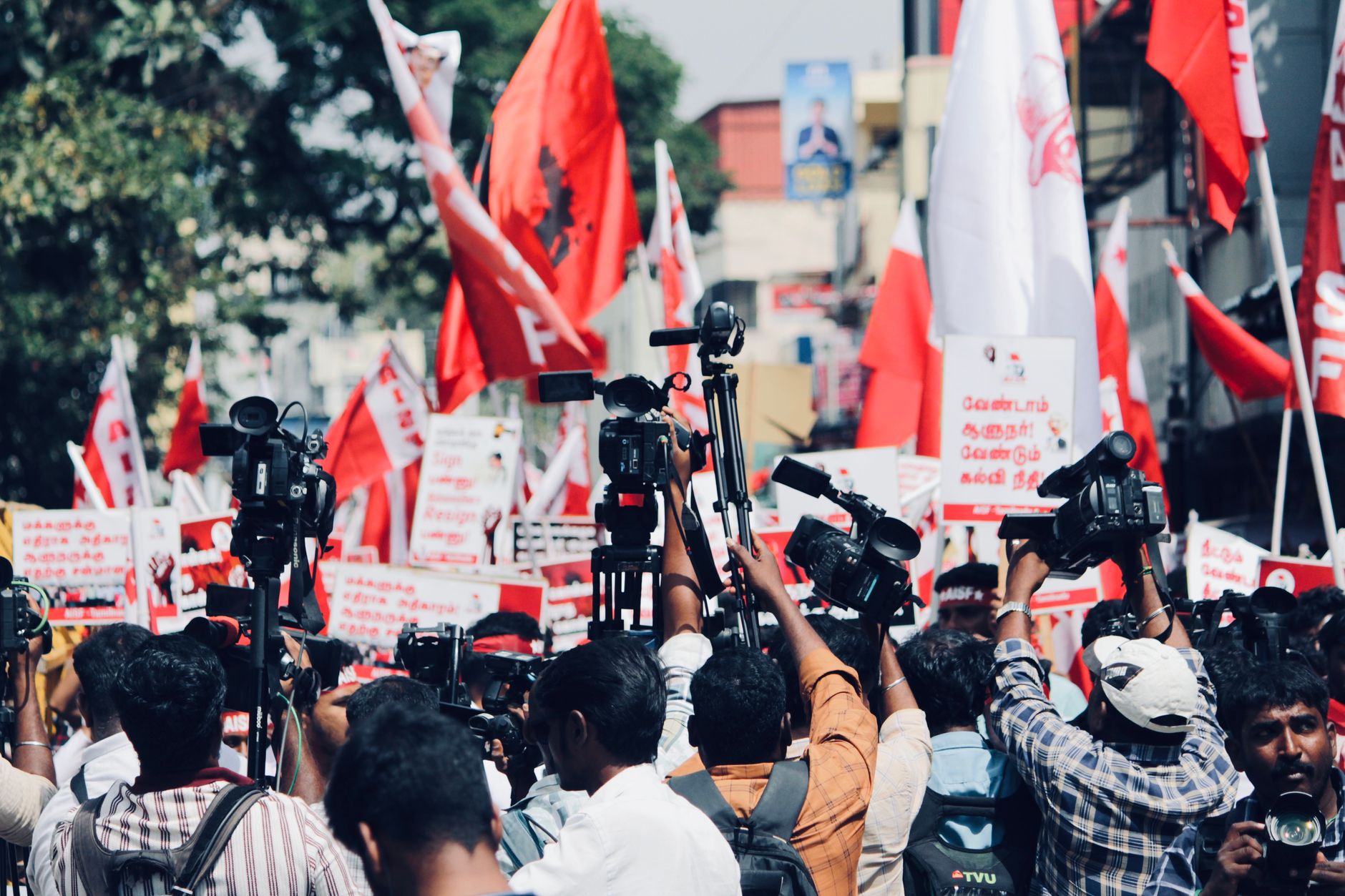
Photo by SKR on Pexels