
Signs Your Body Needs More Fibre: 10 Proven Indicators
Signs your body needs more fibre can often be overlooked. A recent article by an AIIMS-trained gastroenterologist highlights ten key indicators that suggest your diet may be lacking in this essential nutrient.
Understanding Fibre’s Role in Health
Fibre plays a crucial role in maintaining overall health and well-being. It is essential for digestive health, helping to regulate bowel movements and prevent constipation. When you consume enough fibre, it aids in the growth of healthy gut bacteria, which can enhance your immune system.
Additionally, fibre contributes to controlling blood sugar levels and reducing the risk of chronic diseases. It promotes satiety, which can help manage weight by preventing overeating. If you notice certain signs, your body may be signaling that it needs more fibre.
Common indicators include:
- Infrequent bowel movements
- Feeling bloated or gassy
- Cravings for unhealthy snacks
- Constant fatigue after meals
Recognizing these signs your body needs more fibre can guide you towards a healthier diet and improved digestive function.
Common Symptoms of Fibre Deficiency
Fibre plays a crucial role in maintaining overall health, and recognizing the signs your body needs more fibre is essential for well-being. Here are some common symptoms of fibre deficiency:
- Constipation: Difficulty in passing stools can indicate insufficient fibre intake.
- Frequent hunger: A lack of fibre may lead to increased cravings between meals.
- Fatigue: Feeling unusually tired could be a sign that your diet lacks adequate fibre.
- Digestive discomfort: Bloating or gas may occur when fibre is lacking in your diet.
- Weight gain: Insufficient fibre can hinder weight management efforts due to less satiety.
Recognizing these indicators can help you adjust your diet and improve your overall health by increasing your fibre intake.
How to Increase Fibre in Your Diet
Increasing fibre in your diet can significantly improve your overall health. Here are some effective ways to ensure you’re getting enough:
- Start with Whole Grains: Opt for whole grain bread, pasta, and cereals instead of their refined counterparts.
- Incorporate More Fruits and Vegetables: Aim for a variety of colours and types to maximize fibre intake. Berries, apples, carrots, and leafy greens are excellent choices.
- Snack Smart: Choose high-fibre snacks like nuts, seeds, and popcorn instead of processed snacks.
- Legumes are Key: Beans, lentils, and chickpeas are not only rich in fibre but also provide essential proteins.
- Gradually Increase Intake: If you suspect signs your body needs more fibre, add it slowly to avoid digestive discomfort.
Drinking plenty of water will also help your body adjust to increased fibre consumption.
Expert Insights from AIIMS Gastroenterologist
According to experts from the All India Institute of Medical Sciences (AIIMS), recognizing the signs your body needs more fibre is crucial for maintaining overall health. Dr. Anjali Verma, a gastroenterologist at AIIMS, emphasizes that insufficient dietary fibre can lead to various health issues.
She highlights that many individuals often overlook subtle indicators. For instance, persistent bloating and irregular bowel movements are clear signals. In addition, frequent feelings of fatigue after meals may suggest that the body is struggling with digestion due to a lack of fibre.
Dr. Verma also points out that cravings for sugary foods can increase when fibre intake is low, as fibre helps stabilize blood sugar levels. Addressing these signs early on can significantly improve one’s digestive health and overall well-being.
The Importance of Digestive Health
Maintaining digestive health is crucial for overall well-being, and one of the key components in achieving this is adequate fibre intake. Signs your body needs more fibre can manifest in various ways, often linked to digestive issues. A healthy digestive system helps in the efficient breakdown of food, nutrient absorption, and regular bowel movements.
Moreover, fibre plays a vital role in preventing constipation and promoting a balanced gut microbiome. When the body lacks sufficient fibre, it may struggle to process foods effectively, leading to discomfort and digestive disturbances. Increasing fibre in your diet not only aids digestion but also supports heart health and can help manage weight.
Incorporating a variety of fibre-rich foods, such as fruits, vegetables, whole grains, and legumes, can significantly enhance digestive health while alleviating symptoms associated with fibre deficiency.
Foods Rich in Fibre
Incorporating foods rich in fibre into your diet is essential for maintaining optimal health. Here are some excellent sources of fibre that can help address the signs your body needs more fibre:
- Fruits: Apples, bananas, and berries are not only delicious but also high in fibre.
- Vegetables: Carrots, broccoli, and Brussels sprouts are packed with nutrients and fibre.
- Whole grains: Oats, quinoa, and brown rice provide a hearty dose of fibre.
- Legumes: Lentils, chickpeas, and beans are fantastic sources that can be added to many dishes.
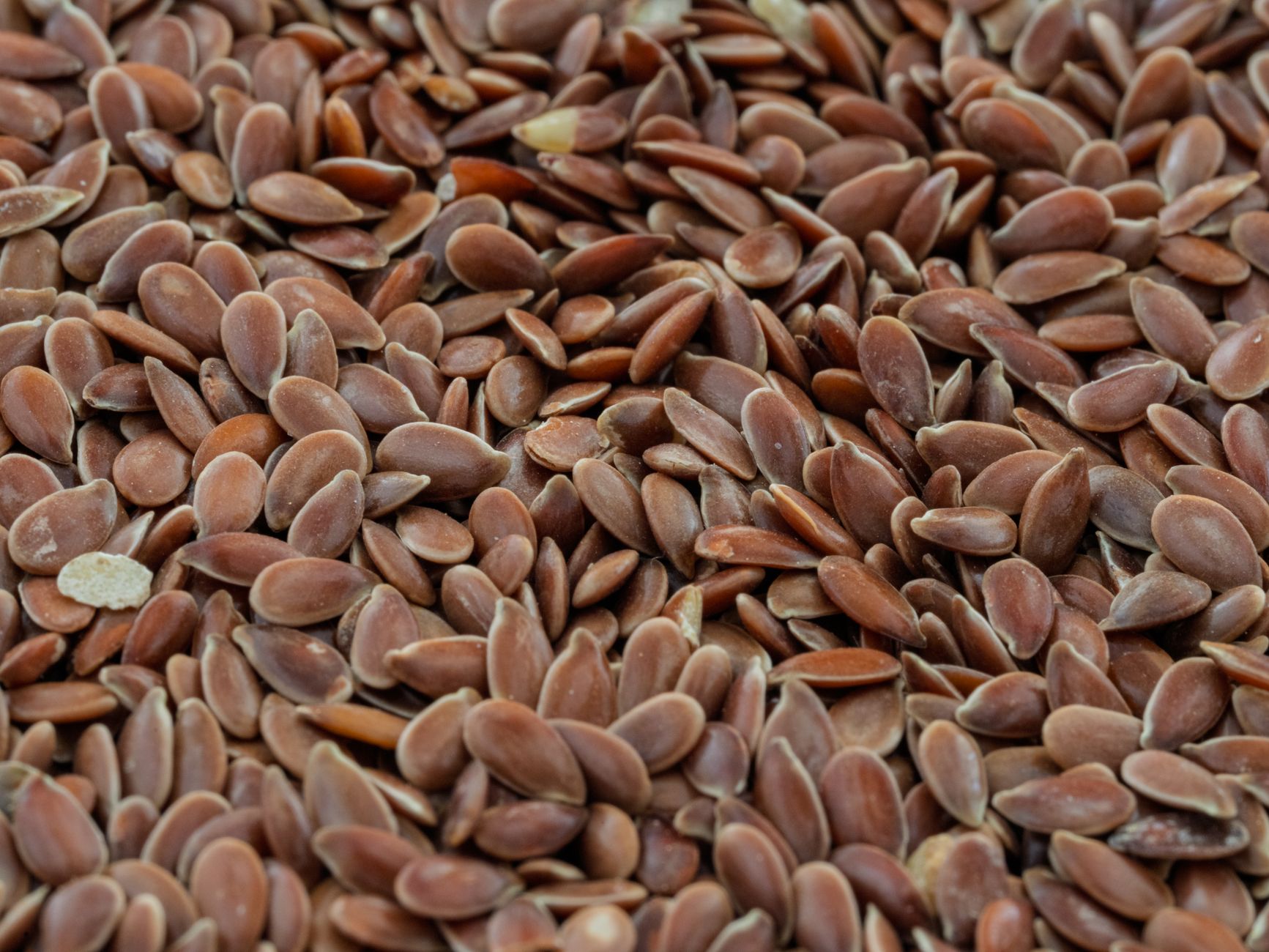
- Nuts and seeds: Almonds, chia seeds, and flaxseeds can boost your fibre intake in a crunchy way.
By including these foods in your meals, you can help alleviate symptoms and support your digestive health.
Tips for a Balanced Diet
Maintaining a balanced diet is essential for overall health and can help address the signs your body needs more fibre. Here are some tips to ensure you are getting enough fibre in your daily meals:
- Incorporate whole grains: Choose whole grain bread, pasta, and rice over refined options to boost your fibre intake.
- Add fruits and vegetables: Aim for a variety of colorful fruits and veggies, which can provide both fibre and essential vitamins.
- Snack wisely: Opt for high-fibre snacks like nuts, seeds, and raw veggies instead of processed foods.
- Read labels: Check nutrition labels for fibre content and choose products with higher fibre amounts.
- Stay hydrated: Drink plenty of water to help fibre do its job effectively in your digestive system.
Recognizing the signs your body needs more fibre can help you make necessary dietary adjustments. If you experience frequent digestive issues, it may be one of the key signs your body needs more fibre.
Where this came from
Bipartisan Housing Bill: The Wrong Move for Trump’s Agenda · Lower Dementia Risk: 4 Proven Habits for Brain Health · 2026 Midterm Election: The Worst Challenge for the GOP