
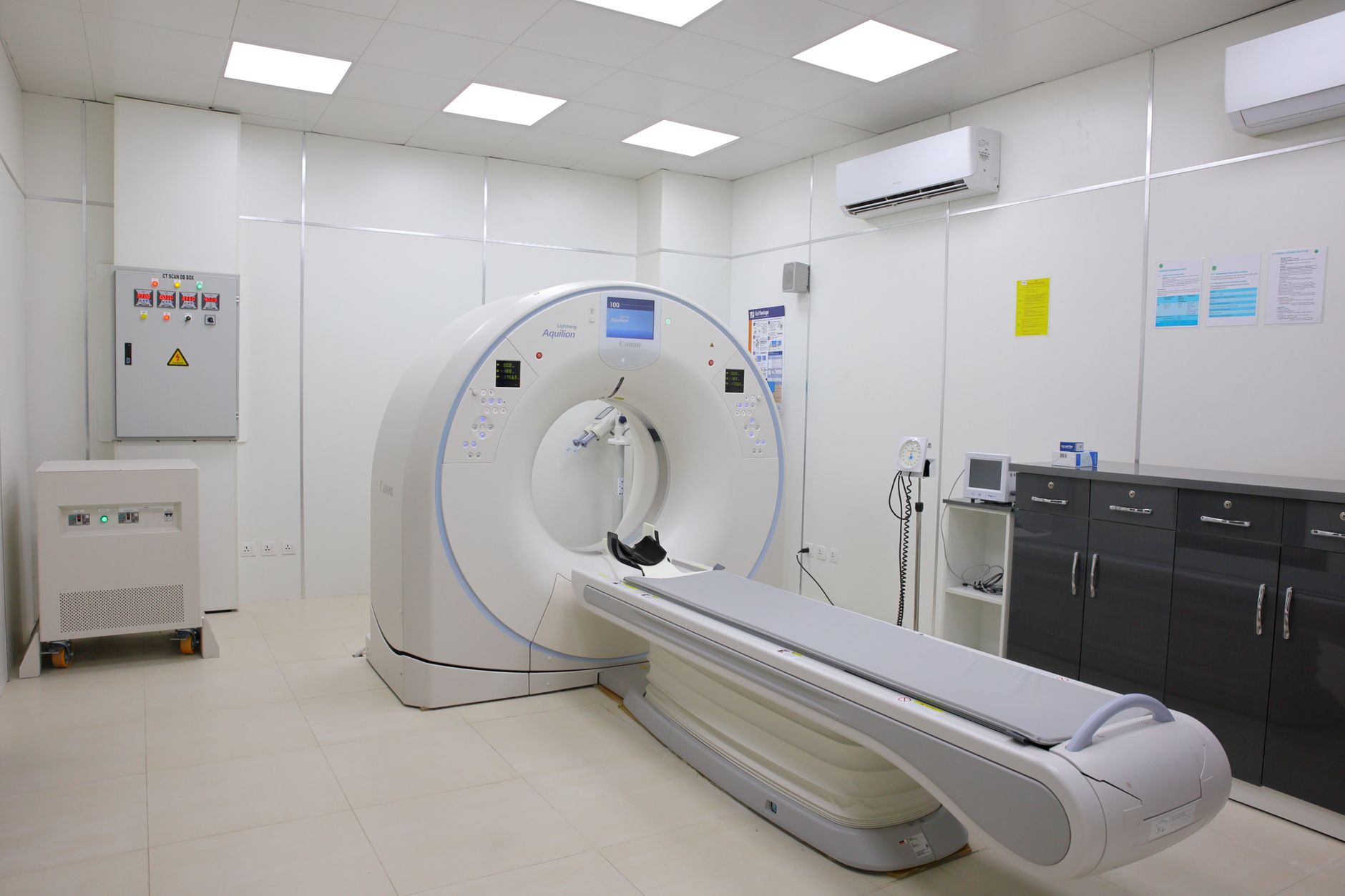

Is the Portable CT Scanner the Best Medical Innovation?
The portable CT scanner is revolutionizing medical imaging with its lightweight design and advanced features. This innovative device weighs only 6 kg, making it a game-changer for healthcare providers.
What is a Portable CT Scanner?
A portable CT scanner is a compact imaging device designed to perform computed tomography scans in various settings, including hospitals, clinics, and emergency sites. Unlike traditional CT scanners, which are typically large and stationary, a portable version offers enhanced mobility and convenience for both patients and medical professionals.
One of the most significant advancements in medical technology, the portable CT scanner is particularly beneficial in emergency situations where immediate imaging is crucial. It enables healthcare providers to quickly assess injuries and conditions without the need to transport patients to a fixed imaging facility.
These devices have become especially relevant during times of crisis, such as natural disasters or pandemics, where access to medical care can be limited. The portable CT scanner is designed to be lightweight, with some models weighing as little as 6 kg, making them easy to transport and operate in various environments.
Furthermore, the imaging quality produced by portable CT scanners is comparable to that of their larger counterparts, ensuring that diagnostic accuracy is not compromised. Overall, the portable CT scanner represents a significant leap forward in the field of medical imaging, catering to the evolving needs of healthcare delivery.
How Does the Portable CT Scanner Work?
The portable CT scanner operates by utilizing advanced imaging technology to capture detailed cross-sectional images of the body. Unlike traditional CT scanners, which are typically large and fixed in place, the portable version is designed for mobility and ease of use in various medical settings.
At its core, the device employs a rotating X-ray tube and detectors. As the tube rotates around the patient, it emits X-rays that penetrate the body and are captured by the detectors. This process results in numerous images from different angles, which are then processed by a computer to create a comprehensive 3D representation of the internal structures.
One of the standout features of the portable CT scanner is its lightweight design, often weighing as little as 6 kg. This allows healthcare professionals to easily transport the device to different locations, such as remote clinics or emergency response situations.
Moreover, the integration of advanced software enables real-time image processing and analysis, enhancing diagnostic accuracy. Portable CT scanners are particularly beneficial in urgent care settings, where quick assessments can significantly impact patient outcomes.
Benefits of Using a Portable CT Scanner
The advent of the portable CT scanner has brought significant advancements to the medical field, enhancing patient care in various ways. One of the primary benefits is its mobility. Unlike traditional CT machines, which are often confined to specific locations, portable CT scanners can be easily transported to different areas within a facility or even to remote locations.
Another advantage is the speed at which these devices operate. With a portable CT scanner, medical professionals can obtain imaging results much faster, allowing for quicker diagnoses and immediate treatment decisions. This is particularly crucial in emergency situations where time is of the essence.
Additionally, portable CT scanners are designed to be user-friendly, enabling healthcare providers to operate them with minimal training. Their compact size does not compromise the quality of imaging, as they still produce high-resolution scans that are essential for accurate assessments.
Moreover, these devices can result in cost savings for healthcare facilities. Reduced infrastructure requirements and the ability to conduct scans in various settings can lower operational costs significantly.
In summary, the portable CT scanner represents a major leap forward in medical innovation, offering numerous benefits that enhance patient care and operational efficiency.
Innovations in Medical Imaging Technology
Innovations in medical imaging technology have transformed the way healthcare professionals diagnose and treat patients. One of the most significant advancements in recent years is the development of the portable CT scanner, which is revolutionizing imaging capabilities, especially in emergency and remote settings.
Historically, traditional CT scanners have been large, immobile machines that require specialized facilities and substantial infrastructure. In contrast, the portable CT scanner offers a more flexible solution, allowing for imaging in various locations, including hospitals, ambulances, and even patients’ homes. This accessibility is crucial in emergency situations where time is of the essence.
Moreover, portable CT scanners are designed to be user-friendly, enabling healthcare providers to quickly obtain critical diagnostic information. This innovation not only expedites treatment but also improves patient outcomes by allowing for timely interventions.
As technology continues to advance, the integration of portable imaging devices is expected to expand further. In addition to enhancing diagnostic efficiency, these devices can significantly reduce healthcare costs by minimizing the need for extensive transport and facility use.
Overall, the portable CT scanner exemplifies how medical imaging technology can evolve to meet the needs of modern healthcare.
Future of Portable Medical Devices
The future of portable medical devices, particularly the portable CT scanner, appears promising as technological advancements continue to reshape healthcare delivery. As highlighted by recent innovations, such as the 6 kg portable CT scanner developed in China, these devices are not only lightweight but also enhance accessibility to crucial diagnostic tools.
Healthcare professionals are increasingly recognizing the potential of portable imaging technologies to streamline patient care. The ability to perform scans at the patient’s bedside or in remote locations can significantly improve treatment outcomes, especially in emergency situations. This shift in medical practice is supported by several key trends:
- Increased Demand: There is a growing need for portable diagnostic tools in underserved regions and during natural disasters.
- Technological Integration: Advancements in artificial intelligence and machine learning are likely to enhance the capabilities of portable CT scanners.
- Cost-Effectiveness: Portable devices can reduce operational costs for healthcare facilities by minimizing the need for extensive infrastructure.
As the landscape of medical imaging evolves, the portable CT scanner stands out as a pivotal innovation, poised to transform how healthcare is delivered worldwide.
Photo by contact me +923323219715 on Pexels