
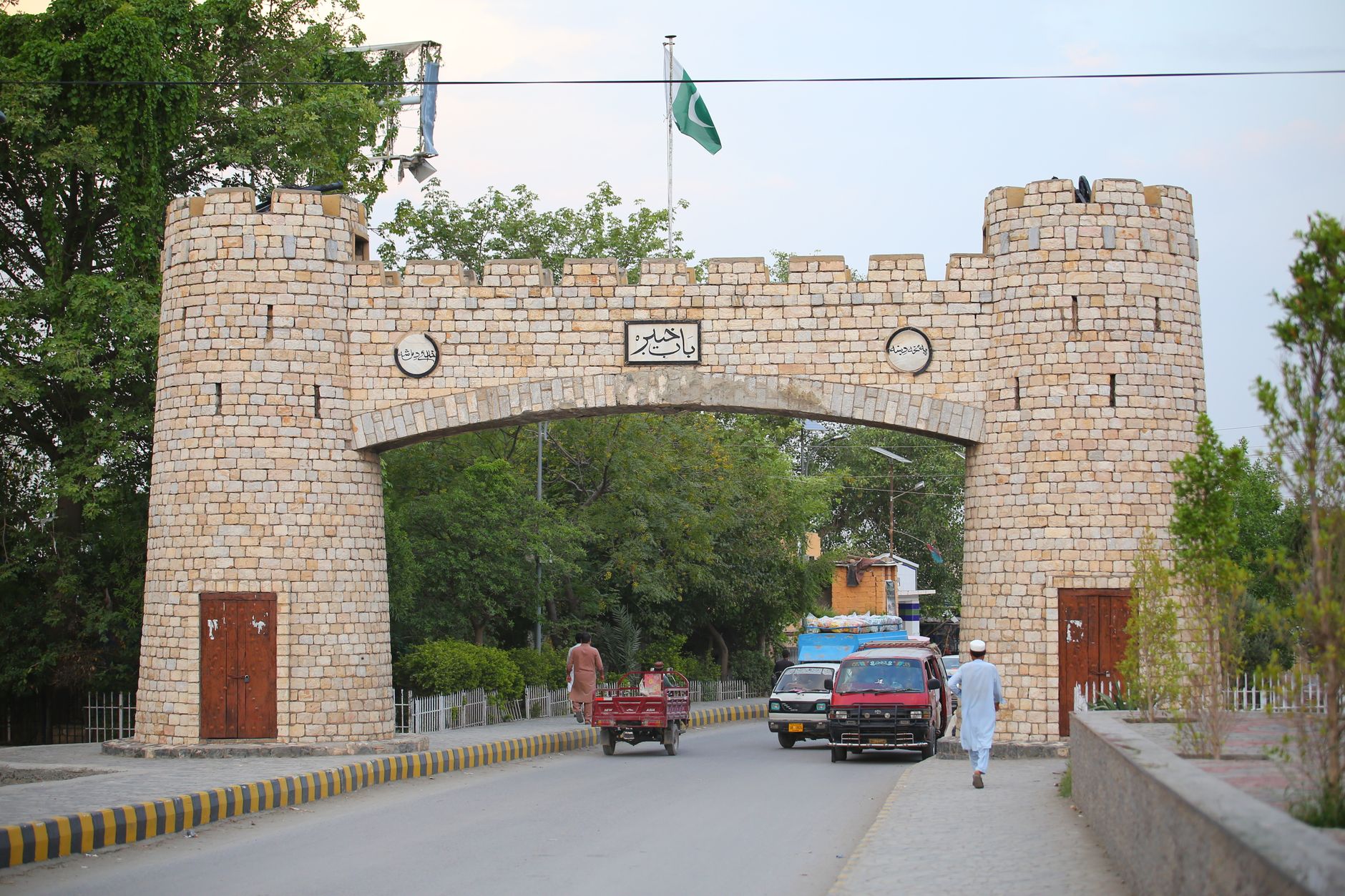

Khyber Pakhtunkhwa Emergency Rule: Is It the Worst Move?
Khyber Pakhtunkhwa emergency rule has intensified political confrontation in Pakistan, raising questions about governance and public safety. The situation remains volatile as tensions escalate.
Understanding the Emergency Rule in Khyber Pakhtunkhwa
The recent imposition of emergency rule in Khyber Pakhtunkhwa has sparked intense debate among political analysts and citizens alike. This unprecedented decision comes amid rising tensions and a volatile political landscape in the region, raising concerns about the implications for governance and civil liberties.
Emergency rule is often characterized by the suspension of normal constitutional procedures, allowing the government to exercise increased control over various aspects of daily life. In Khyber Pakhtunkhwa, this has led to:
- Heightened security measures aimed at curbing dissent and maintaining order.
- Restrictions on media freedom, limiting the ability of journalists to report on critical issues.
- Potential for increased political repression, as opposition voices face greater scrutiny.
Moreover, the decision to impose emergency rule has been met with backlash from various political factions, who argue that it undermines democratic processes. Critics warn that such measures could exacerbate public unrest rather than restore stability. As the situation evolves, it remains to be seen whether this move will effectively address the challenges facing Khyber Pakhtunkhwa or further entrench the divisions within its political landscape.
Impacts of Political Confrontation
The political landscape in Khyber Pakhtunkhwa has been significantly altered by the recent imposition of emergency rule. As tensions escalate, several impacts have emerged, affecting both the governance and the daily lives of citizens.
Firstly, the emergency rule has led to a curtailment of civil liberties. Restrictions on freedom of assembly and expression have sparked protests across the province, with citizens expressing their discontent over the government’s decisions. The suppression of dissent has raised concerns about the future of democratic processes in the region.
Secondly, the economic ramifications are evident, as investor confidence dwindles amid uncertainty. Businesses are hesitant to operate in an environment marked by political instability, which could lead to job losses and reduced economic growth.
Moreover, the imposition of emergency rule has further polarized political factions, intensifying confrontations between different parties. This situation leaves little room for dialogue, with each side blaming the other for the ongoing crisis.
- Increased protests and civil unrest.
- Economic instability and loss of investor confidence.
- Heightened political polarization and reduced dialogue.
Ultimately, the impacts of political confrontation in Khyber Pakhtunkhwa under emergency rule pose serious challenges to the region’s stability and governance.
Public Reaction to the Emergency Measures
The recent implementation of Khyber Pakhtunkhwa emergency rule has sparked significant public reaction across the region. Many citizens are expressing their concerns regarding the government’s decision, questioning whether this move is truly necessary or if it exacerbates the existing tensions in the area.
Social media platforms have become a battleground for opinions, with people airing their grievances and support alike. A survey conducted by a local news outlet revealed that:
- 65% of respondents believe that the emergency rule is an overreach of power.
- 25% think it is a necessary step to maintain law and order.
- 10% remain undecided on the issue.
Critics argue that the emergency measures could lead to further instability, potentially affecting the already fragile political landscape in Khyber Pakhtunkhwa. Protests have erupted in various cities, with participants calling for the restoration of democratic norms and expressing their discontent with the government’s actions.
On the other hand, some supporters argue that the emergency rule is a vital short-term solution to address the escalating violence and political unrest. As the debate continues, it remains uncertain how this situation will evolve and its long-term implications for the region.
Historical Context of Emergency Rule in Pakistan
Emergency rule has been a recurring theme in Pakistan’s political landscape, often implemented during times of crisis to stabilize governance. The historical context reveals a pattern of military interventions and political upheavals that have led to the imposition of emergency measures across various provinces, including Khyber Pakhtunkhwa. Such actions are typically justified by the government as necessary to restore order and ensure public safety.
In the past, emergency rule has been declared in response to significant threats, including terrorism, civil unrest, and political dissent. Each instance has sparked debates about its implications on democracy and civil liberties. For example, during the emergency rule imposed in 2007, widespread protests erupted, leading to a long-term impact on public trust in governmental institutions.
In Khyber Pakhtunkhwa, the recent declaration of emergency rule has intensified the already volatile political confrontation in the region. Critics argue that it undermines democratic processes and further alienates citizens from their leaders. As history suggests, the implications of such measures can resonate for years, influencing the political fabric of the province.
Therefore, understanding the historical context of emergency rule in Pakistan is essential to assess the potential consequences of the current situation in Khyber Pakhtunkhwa.
Future Implications for Khyber Pakhtunkhwa
The imposition of emergency rule in Khyber Pakhtunkhwa raises significant questions about the future political landscape of the province. As various stakeholders respond to the current situation, the long-term implications could reshape governance and civil liberties.
One potential outcome of the Khyber Pakhtunkhwa emergency rule is the strengthening of local governance structures. If the emergency measures are viewed as a necessary response to political instability, it may lead to reforms aimed at enhancing administrative efficiency and accountability.
Conversely, the emergency rule may also exacerbate tensions between the provincial government and opposition parties. The perception of an authoritarian approach could galvanize dissent, leading to increased protests and a more polarized political environment.
Moreover, the reaction of the general public and civil society organizations will play a crucial role in determining the sustainability of these emergency measures. If citizens feel their rights are being compromised, it could spur movements advocating for democratic reforms and greater transparency.
In summary, while the immediate implications of Khyber Pakhtunkhwa emergency rule are contentious, its longer-term effects could significantly alter the province’s political dynamics, shaping the narrative for years to come.
The Khyber Pakhtunkhwa emergency rule has sparked widespread debate among political analysts and citizens alike. Many are questioning whether the Khyber Pakhtunkhwa emergency rule will effectively address the region’s pressing issues or exacerbate existing tensions.
Photo by Zeeshan Khan on Pexels
References
Life Sciences Focus: Proven Strategies for Business Growth · Autoimmune Conditions Psychological: Clear Insights on Misdiagnosis · Manhattan townhouse record: Wall Street titan’s $80M mansion