Mbappe apology reaction: China’s serious stance on comments

Mbappe apology reaction highlights China’s serious response to the football star’s remarks about Mao. The nation has expressed its intent to address the situation thoughtfully.

China’s Official Response to Mbappe

In light of Kylian Mbappe’s recent comments regarding Mao Zedong, the Chinese government has issued an official response, emphasizing the seriousness of his apology. The football star’s remarks, which drew ire from various quarters, prompted a swift reaction from Chinese officials.

The Ministry of Foreign Affairs stated, “We take Mbappe’s apology seriously and hope that international figures understand the historical context of their statements.” They further emphasized the importance of respecting China’s historical narratives and cultural sensitivities. This incident has sparked discussions about the responsibilities of global sports icons as they navigate diverse political landscapes.

Reactions from the public and analysts have varied:

  • Support for Mbappe: Many believe he was misquoted and that his intentions were not malicious.
  • Criticism of insensitive remarks: Others argue that celebrities should be more aware of their words and the impact they can have.

Overall, the situation underscores the complexities of cultural diplomacy in the age of social media, drawing attention to Mbappe’s apology reaction.

Understanding Mao’s Legacy

The recent comments made by Kylian Mbappe regarding Mao Zedong have sparked significant reactions, particularly in China, where the legacy of Mao remains a sensitive topic. Following Mbappe’s remarks, the Chinese government issued a statement emphasizing that it takes his apology seriously, highlighting the importance of understanding historical figures in the context of their time.

Many experts believe that Mao’s influence on Chinese society and politics cannot be understated. His policies, though controversial, shaped modern China in profound ways. As a result, any discussion involving his legacy is met with scrutiny and often backlash.

In light of this, Mbappe’s apology reaction has been carefully analyzed both in sports and diplomatic circles. Observers note that public figures must navigate the complexities of historical comments delicately, especially when they touch upon subjects as sensitive as Mao’s rule.

  • Mao’s impact on China: A complicated legacy
  • Public figures’ responsibilities: The weight of words

The Impact of Celebrity Comments

The recent comments made by Kylian Mbappe have sparked significant reactions not only from fans but also from political spheres, particularly in China. The Mbappe apology reaction highlights the delicate balance celebrities must navigate when making statements that may touch on sensitive historical issues.

In this case, Mbappe’s remarks regarding Mao Zedong were met with swift backlash, prompting the need for an official apology. China’s serious stance on the matter reflects how influential figures are scrutinized in a global context. This situation underscores several key points:

  • The power of celebrity influence: Public figures can shape opinions and spark dialogue, often unintentionally.
  • The importance of cultural sensitivity: Understanding historical contexts is crucial when making comments that could be interpreted as controversial.
  • The role of media in shaping narratives: Coverage of the situation can affect public perception and responses from governments.

As the world becomes increasingly interconnected, the repercussions of such remarks extend beyond individual circles, affecting international relations and cultural dialogues.

Football and Politics Intersect

The intersection of football and politics has become increasingly pronounced, especially in light of Kylian Mbappe’s recent comments regarding Mao Zedong. The French football star’s remarks have sparked significant backlash, leading to a serious response from China, which has taken his apology seriously. This incident underscores how celebrity statements can reverberate across international borders, affecting diplomatic relations and public perception.

In a world where social media amplifies every word, athletes like Mbappe wield considerable influence. Their platforms give them the ability to shape opinions, yet they also bear the responsibility of addressing the consequences of their words. Following Mbappe’s apology reaction, analysts and commentators are now debating the implications of such intersections between sport and geopolitics.

As the dialogue continues, it is crucial to understand the historical context of Mao’s legacy and how it colors contemporary discussions in China. The ramifications of Mbappe’s comments may extend beyond football, influencing broader conversations about celebrity influence in political arenas.

Public Reaction to Mbappe’s Statement

The recent comments made by Kylian Mbappe have sparked significant public reaction, particularly following his apology. Many fans and commentators have taken to social media to express their views on the matter, reflecting a range of emotions from disappointment to support.

Several individuals have praised Mbappe for swiftly addressing his remarks, seeing his apology as a sign of maturity and responsibility. Others, however, feel that the issue runs deeper and reflects broader tensions between Western celebrities and political sentiments in China.

In response to the situation, a number of prominent figures in the football community have weighed in, calling for greater awareness of the cultural and political implications of such statements. The emphasis on Mbappe’s apology reaction highlights the delicate balance that athletes must maintain when navigating global politics.

As discussions continue, it remains clear that the intersection of sports and politics is increasingly complex, with celebrity comments carrying significant weight in international relations.

Mbappe’s Career and Controversies

Kylian Mbappe, the French football superstar, has had a career marked by both extraordinary talent and notable controversies. From his rise to stardom at Paris Saint-Germain to his pivotal role in the French national team, Mbappe’s journey has not been without its challenges.

Recently, his comments regarding Mao Zedong sparked significant debate, leading to a formal apology that has drawn varied reactions. The Mbappe apology reaction has been particularly pronounced in China, where officials have expressed the need for a serious response to his statements.

Throughout his career, Mbappe has faced scrutiny not only for his on-field performances but also for his off-field remarks. This incident is yet another chapter in the complex relationship between sports figures and political narratives. As a global icon, Mbappe’s words carry weight, and his ability to navigate these situations will be crucial for his legacy.

  • Mbappe’s rise in football
  • Controversies surrounding public statements
  • The implications of celebrity influence

The Mbappe apology reaction has sparked widespread debate among fans and analysts alike. Many are questioning whether his comments reflect a deeper misunderstanding of cultural sensitivities, prompting a serious stance from China on the issue.

Read the original

You might also like

Florida charges Raul Castro: The Wrong Move for Justice?

Florida charges Raul Castro as authorities bring more allegations against the former Cuba president, intensifying scrutiny on his past actions and their implications.

Background on Raul Castro

Raul Castro, the former president of Cuba, has been a prominent figure in international politics for decades. He succeeded his brother, Fidel Castro, in 2008 and continued to enforce policies that many viewed as controversial. Over the years, he faced criticism for human rights violations and suppression of dissent in Cuba.

Recently, Florida charges Raul Castro have surfaced, adding to the ongoing debate regarding justice for those accused of human rights abuses. The state has taken a firm stance against individuals who are believed to have committed atrocities while in positions of power. This move is part of a broader initiative to hold accountable those who have played a role in oppressive regimes.

Supporters of these charges argue that it is essential to seek justice for victims of the Castro regime, emphasizing the importance of accountability. On the other hand, critics claim that pursuing charges against Raul Castro could further strain diplomatic relations between the United States and Cuba.

As the situation evolves, the implications of these charges may extend beyond legal consequences. They could potentially influence the future of U.S.-Cuba relations and shape the narrative around human rights and justice in the region.

The international community is closely watching how these developments unfold, as they may have far-reaching effects on both countries.

Details of the New Charges

Florida authorities have recently announced a series of new charges against Raul Castro, the former president of Cuba. This development has sparked considerable debate regarding its implications for justice and international relations.

The charges stem from allegations surrounding human rights violations during Castro’s lengthy rule over Cuba. Officials claim that these actions have resulted in suffering for countless individuals, both within Cuba and among the Cuban diaspora. The details of the new charges include:

  • Crimes Against Humanity: Accusations suggest that Castro’s government engaged in systematic repression, leading to widespread persecution of political dissidents.
  • Forced Disappearances: Reports indicate that numerous individuals vanished without a trace, allegedly due to state-sanctioned actions under Castro’s regime.
  • Torture and Ill-Treatment: Former political prisoners have come forward with harrowing accounts of torture and inhumane treatment while detained.

Critics of the charges argue that pursuing legal action against Raul Castro may not achieve justice and could complicate diplomatic efforts. Supporters, however, contend that holding such leaders accountable is crucial for the victims and for promoting human rights globally. As Florida charges Raul Castro, the legal and moral ramifications of this decision remain to be seen.

Reactions from Political Analysts

Political analysts have reacted strongly to the recent decision by Florida authorities to bring additional charges against Raul Castro. Many believe this move could have far-reaching implications for U.S.-Cuba relations.

In a recent panel discussion, experts weighed in on the motivations behind these charges, emphasizing the complex nature of international law and diplomacy. Some key points raised include:

  • Impact on Diplomacy: Analysts argue that charging Raul Castro may hinder ongoing discussions between the U.S. and Cuba, potentially creating further tensions that could affect negotiations on trade and immigration.
  • Domestic Politics: Others suggest that the charges are politically motivated, aimed at appealing to certain voter bases in Florida, particularly among Cuban-Americans who have strong sentiments towards Castro’s regime.
  • Legal Precedents: Some experts highlight the legal implications of pursuing charges against a former leader of another country, questioning the jurisdiction and the precedent it may set for future cases.

Overall, the decision to charge Raul Castro has ignited a debate about the ethical and practical considerations of seeking justice versus the potential risks to diplomatic relations. As the situation unfolds, it remains to be seen how these charges will affect both Florida’s political landscape and U.S.-Cuba ties.

Impact on US-Cuba Relations

The recent decision by Florida to charge Raul Castro has sparked a renewed debate regarding its potential impact on US-Cuba relations. Many experts argue that such actions could further strain diplomatic ties that have seen moments of thawing in recent years. The implications of these charges extend beyond the courtroom and into the realm of international politics.

Supporters of the charges believe that holding Raul Castro accountable is a necessary step for justice, particularly for those who suffered under his regime. However, critics warn that this move could hinder progress in negotiations and collaborations between the two nations. The situation is compounded by the historical context, as Cuba has long been a contentious issue in U.S. foreign policy.

Analysts note that the timing of these charges raises questions about the motivations behind them. Some suggest that they may be politically motivated, aimed at appealing to certain voter bases within Florida. Others fear that escalating tensions could lead to a regression in diplomatic efforts aimed at normalizing relations.

In conclusion, the Florida charges against Raul Castro may represent more than just legal action; they could signify a pivotal moment in the ongoing relationship between the United States and Cuba, impacting future dialogues and cooperation.

Historical Context of Castro’s Leadership

Raul Castro’s leadership marked a significant chapter in Cuba’s history, influencing both domestic policies and international relations. Serving as the President of Cuba from 2008 until 2018, he took over from his brother, Fidel Castro, following a long period of health complications that limited Fidel’s ability to govern. Under Raul’s administration, Cuba saw some economic reforms aimed at modernizing the country’s socialist economy.

However, his tenure was also characterized by ongoing human rights violations, suppression of dissent, and a lack of political pluralism. This context is crucial as Florida charges Raul Castro, raising questions about the accountability of former leaders for their actions while in office. Many analysts argue that holding Castro accountable could set a precedent for addressing historical injustices in authoritarian regimes.

Cuba’s complex relationship with the United States also looms large over these developments. Raul Castro’s attempts to engage with the US, especially during the Obama administration, were met with mixed responses, reflecting the contentious nature of U.S.-Cuba relations.

As the situation unfolds, the implications of Florida’s decision to charge Raul Castro could reverberate beyond legal ramifications, potentially affecting diplomatic ties and influencing future governance in Cuba.

Public Opinion on the Charges

As Florida charges Raul Castro continue to capture public attention, opinions vary widely among residents and political commentators. Many Floridians express strong feelings about the decision, reflecting the state’s unique demographic makeup and historical ties to Cuba.

A survey conducted in the past week revealed that:

  • 40% of respondents support the charges, viewing them as a necessary step toward accountability for Castro’s actions during his leadership.
  • 30% oppose the charges, arguing that they could further complicate US-Cuba relations and hinder potential diplomatic progress.
  • 30% remain undecided, citing concerns over the implications for justice and international relations.

Among supporters of the charges, there is a sentiment that holding leaders accountable is crucial in the pursuit of justice. “We cannot let past atrocities go unpunished,” said one local activist. Conversely, opponents warn that these charges might escalate tensions between the two nations and impact Cuban Americans in Florida.

This divide illustrates the complexity of the situation, as many feel the weight of historical grievances while also striving for a future of peace and collaboration. The ongoing debate highlights the challenges that Florida charges Raul Castro pose not only for justice but also for broader geopolitical dynamics.

Legal Implications for Castro

The recent decision by Florida authorities to bring charges against Raul Castro has raised significant legal implications that could reverberate beyond state borders. As the former president of Cuba, Castro’s actions during his leadership have long been scrutinized, but the legality of these new charges is now under intense examination.

Legal experts suggest that the charges may face challenges based on several factors:

  • Jurisdiction: Questions arise about whether Florida has the legal authority to prosecute a foreign leader for actions taken in another country.
  • Extradition: Even if the charges are upheld, the likelihood of extraditing Castro from Cuba remains exceedingly low, complicating any potential legal proceedings.
  • International Law: The charges could also conflict with international laws that protect state leaders from prosecution for actions taken while in office.

Moreover, the implications of these charges extend into the realm of diplomacy. Critics argue that Florida charges Raul Castro might hinder any future negotiations between the United States and Cuba, potentially exacerbating tensions that both nations have been trying to ease in recent years.

As the situation develops, legal analysts will be closely monitoring how these factors play out in court and what they mean for broader international relations.

Future Developments in the Case

As the legal proceedings surrounding Florida charges against Raul Castro continue to unfold, several key developments are anticipated in the coming months. Legal experts and commentators are closely monitoring the situation, particularly with regard to how these charges will affect both Castro’s legacy and diplomatic relations between the United States and Cuba.

One significant aspect to watch is the response from the Cuban government. Officials in Cuba have expressed strong condemnation of the charges, framing them as politically motivated and an infringement on sovereignty. This rhetoric could escalate tensions further, prompting a range of diplomatic responses from both nations.

Additionally, the legal strategies employed by Castro’s defense team will likely play a crucial role in shaping the case. Observers suggest that they may argue the charges are a violation of international law, raising questions about jurisdiction and the legality of prosecuting a former head of state in a U.S. court.

Public sentiment also remains a critical factor. As opinions shift in Florida and abroad, the impact on future elections and policy decisions related to Cuba may become more pronounced. With multiple stakeholders involved, including human rights organizations and political activists, the evolving narrative surrounding Florida charges against Raul Castro will continue to attract widespread attention.

Many believe that Florida charges Raul Castro could set a dangerous precedent in the pursuit of justice. Critics argue that such actions may undermine the legal system rather than uphold it.

Photo by Joel Santos on Pexels

Where this came from

Related reading

India Africa partnership: Best Proven Strategies for Growth

India Africa partnership is a visionary approach that aims to foster enduring ties between the two regions, as highlighted by External Affairs Minister S. Jaishankar.

Understanding the India Africa partnership

The India Africa partnership has evolved significantly over the years, showcasing a commitment that extends beyond mere economic transactions. This collaboration is underpinned by shared values, mutual respect, and a vision for sustainable development. As External Affairs Minister S. Jaishankar highlighted, this partnership is designed to endure through generations, reflecting a deep-seated alliance that is as much about cultural ties as it is about economic growth.

Central to this partnership are several key strategies that have proven effective in fostering growth:

  • Trade and Investment: Strengthening trade relations and encouraging investments in sectors such as agriculture, technology, and infrastructure.
  • Capacity Building: Providing skills training and educational opportunities to enhance local capabilities and empower communities.
  • Cultural Exchange: Promoting cultural understanding through programs that celebrate the rich heritage of both regions.
  • Innovation Collaboration: Fostering joint ventures in research and development, particularly in health and renewable energy.

Through these strategies, the India Africa partnership aims not only to boost economic growth but also to create a more interconnected future that benefits both regions and their populations.

Key benefits of the India Africa partnership

The India Africa partnership offers numerous benefits that can significantly enhance the socio-economic landscape of both regions. One of the most prominent advantages is the potential for enhanced trade relations. By fostering a greater exchange of goods and services, both India and African nations can tap into new markets, increasing economic growth.

Another key benefit is the sharing of technology and knowledge. India has made remarkable strides in sectors such as information technology, agriculture, and renewable energy. Through collaborative initiatives, African countries can leverage this expertise to drive innovation and development in their own economies.

Additionally, the partnership promotes cultural exchange, which fosters mutual understanding and respect. This is essential for strengthening diplomatic ties and creating a sense of unity among diverse populations.

Moreover, the India Africa partnership encourages investment opportunities. Indian businesses are increasingly looking to invest in African markets, which can lead to job creation and infrastructure development. This not only benefits local economies but also supports India’s global economic ambitions.

In conclusion, the India Africa partnership stands as a testament to the potential for growth and development, promising a collaborative future built on shared goals and mutual respect.

S. Jaishankar’s insights on future collaboration

During a recent address, External Affairs Minister S. Jaishankar emphasized the significance of the India Africa partnership as a long-term commitment rather than a fleeting alliance. He noted that the collaboration between India and African nations has been built for generations, highlighting its deep-rooted connections and shared aspirations.

Jaishankar pointed out several key areas where future collaboration could thrive:

  • Trade and Investment: By enhancing trade relations, both regions can maximize economic growth and create job opportunities.
  • Technology Transfer: Sharing technological advancements will empower local industries in Africa, fostering innovation and sustainable development.
  • Education and Capacity Building: Educational exchanges and skill development programs will strengthen human resources and ensure a knowledgeable workforce.
  • Healthcare Collaboration: Joint efforts in healthcare can improve access to medical services and address common health challenges.
  • Cultural Exchanges: Promoting cultural ties will deepen mutual understanding and respect among communities.

Jaishankar concluded by stating that the India Africa partnership is a testament to their shared vision for a prosperous future, urging both sides to seize the opportunities that lie ahead.

Historical context of India Africa relations

The historical context of India-Africa relations is rooted in a shared legacy of colonial struggles and mutual cooperation. For decades, India has been a steadfast supporter of African nations in their quest for independence and self-determination. This bond was solidified during the Non-Aligned Movement in the 1960s, where India and African countries collaborated to promote peace and development.

Over the years, the India Africa partnership has evolved significantly, with a focus on economic growth, cultural exchanges, and strategic alliances. The establishment of the India-Africa Forum Summit in 2008 marked a pivotal moment, providing a structured platform for dialogue and cooperation. This initiative facilitated numerous agreements aimed at enhancing trade, investment, and capacity building.

Moreover, India’s commitment to Africa has been evident through various development initiatives, including the Lines of Credit and the India-Africa Development Fund, which have helped bolster infrastructure and healthcare across the continent. These efforts are not merely transactional but are built on a foundation of shared values and aspirations.

Looking back at this historical journey, it is clear that the India-Africa partnership is deeply ingrained in a vision that extends beyond economic ties, aiming for a holistic approach to growth and prosperity for both regions.

Challenges faced in the partnership

The India Africa partnership, while promising, faces several significant challenges that must be addressed to ensure sustainable growth and collaboration.

One of the primary challenges is the issue of infrastructural development. Many African nations lack the necessary infrastructure to fully benefit from the partnerships with India. This inadequacy can hinder trade and investment, making it difficult for both regions to realize their potential.

Another challenge is the varying levels of economic stability among African countries. Political instability and economic fluctuations can create uncertainty, discouraging Indian businesses from making long-term investments.

Additionally, there is often a disparity in understanding cultural practices and business etiquette. This can lead to miscommunications and affect negotiations, making effective collaboration more difficult.

Furthermore, competition from other global players, such as China, poses a challenge to the India Africa partnership. These competitors may offer more attractive terms, which could divert attention and resources from India.

Finally, addressing the concerns of local populations regarding foreign investments is crucial. Ensuring that the partnership benefits local communities will be essential for its long-term success and acceptance.

In summary, overcoming these challenges will require strategic planning and commitment from both India and African nations.

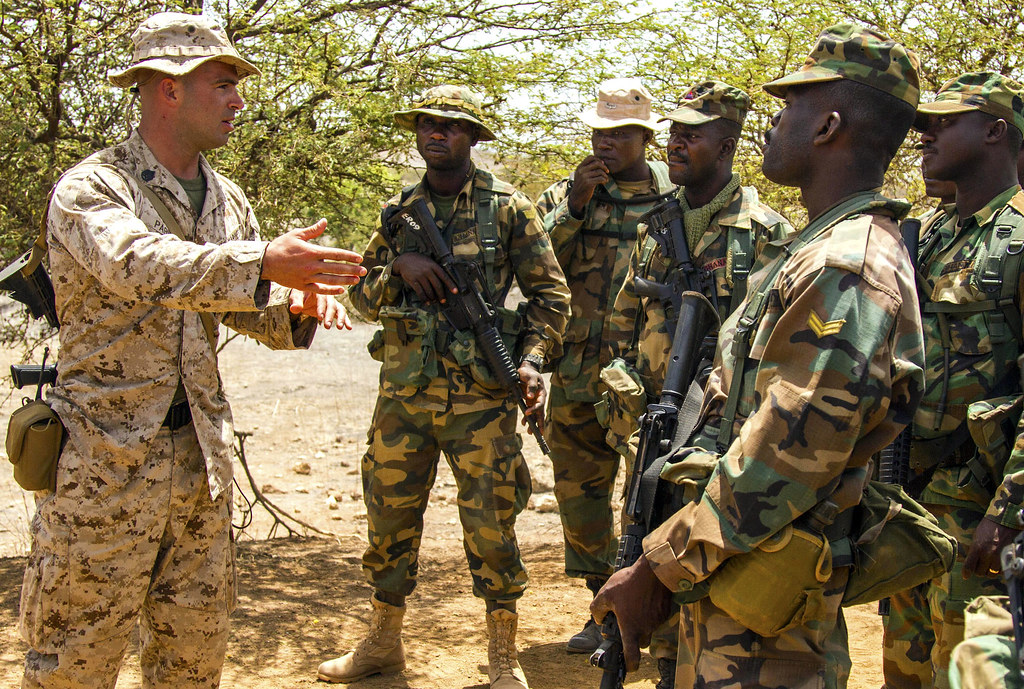
By US Army Africa via Openverse

References

Related stories

Russia’s Powerful Blow: The Worst Impact on Ukraine Yet

Russia powerful blow Ukraine is set to escalate tensions as new military strategies emerge, aiming to freeze Ukraine’s advances. This development raises concerns about the future of the conflict and its implications for global stability.

Understanding Russia’s Strategy

As the conflict between Russia and Ukraine continues to unfold, understanding Russia’s strategy becomes crucial in assessing the ongoing situation. Analysts suggest that Russia’s powerful blow against Ukraine is not solely about military might but also about psychological warfare and strategic positioning.

Russia aims to destabilize Ukraine through a multi-faceted approach, which includes:

  • Intensifying military operations: Increased troop deployments and aggressive tactics are designed to overwhelm Ukrainian defenses.
  • Targeting critical infrastructure: Strikes on energy grids and transportation networks aim to cripple Ukraine’s economy and morale.
  • Spreading disinformation: Propaganda campaigns seek to sow discord within Ukraine and create uncertainty among its allies.

Moreover, Russia’s strategy appears to be rooted in a desire to shift the balance of power in its favor while testing the resolve of Western support for Ukraine. As the situation evolves, the international community watches closely, aware that each move could have significant implications not only for Ukraine but for global security dynamics.

In this context, Russia’s powerful blow could mark a turning point, further entrenching the conflict and complicating efforts toward resolution.

The Historical Context of the Conflict

The ongoing conflict between Russia and Ukraine has deep historical roots, shaping the current dynamics of the war. Since the dissolution of the Soviet Union in 1991, Ukraine has navigated a complex relationship with its neighbor, oscillating between aspirations for independence and the pressures of Russian influence.

Key events that mark this turbulent history include:

  • The Orange Revolution (2004): A series of protests and political events that highlighted the desire for a democratic and independent Ukraine.
  • The Annexation of Crimea (2014): Russia’s decisive move that altered the geopolitical landscape, leading to widespread condemnation and sanctions.
  • The War in Donbas: An ongoing conflict resulting from Russia’s support for separatist movements, emphasizing its strategic interests in the region.

As tensions have escalated, recent reports suggest that Russia is preparing for a powerful blow aimed at crippling Ukraine further, potentially leading to the worst impact on the nation yet. This latest strategy could drastically change the situation on the ground, affecting civilians and the Ukrainian military alike.

Impact on Ukrainian Forces

The recent escalation in hostilities has dealt a powerful blow to Ukrainian forces, significantly altering the dynamics of the ongoing conflict. As Russia intensifies its military operations, the impact on Ukraine’s defense capabilities has become increasingly evident.

Ukrainian troops have faced numerous challenges, including:

  • Supply Chain Disruptions: The influx of Russian artillery has strained logistics, making it difficult for Ukrainian forces to maintain adequate supplies of weapons and ammunition.
  • Loss of Territory: In recent weeks, Russia has successfully captured key strategic areas, limiting the maneuverability of Ukrainian forces and forcing them to adapt to a more defensive posture.
  • Morale Issues: As casualties rise and resources dwindle, the morale among Ukrainian soldiers has been tested, leading to concerns about their long-term resilience in the face of sustained aggression.

Moreover, the psychological impact of this powerful blow cannot be understated. The uncertainty surrounding the conflict’s trajectory has led to increased anxiety among both troops and civilians alike. This latest phase in the war represents a critical juncture for Ukraine, as the nation grapples with the consequences of Russia’s intensified efforts to undermine its sovereignty.

International Reactions to Russia’s Plans

The international community has reacted with alarm following reports of Russia’s plans for a powerful blow against Ukraine, which analysts believe could have devastating consequences for the nation. Governments and organizations worldwide are closely monitoring the situation, with many expressing deep concern over the potential escalation of hostilities.

Key reactions have included:

  • United States: Officials in Washington have condemned Russia’s aggressive tactics, pledging continued support for Ukraine in the face of this impending threat.
  • European Union: EU leaders are calling for an emergency summit to discuss additional sanctions and military aid for Ukraine, emphasizing the need for solidarity.
  • NATO: The alliance has issued a statement reaffirming its commitment to collective defense, while also increasing military readiness in Eastern Europe.
  • United Nations: The UN Secretary-General has voiced concern, urging both sides to return to the negotiation table to avoid further bloodshed.

As Russia gears up for what could be its most powerful blow yet, international observers worry about the implications for regional stability and the humanitarian crisis that could follow.

Potential Outcomes of the Escalation

The recent escalation in the conflict has raised concerns about the potential outcomes for Ukraine. As Russia prepares to deliver what many are calling a powerful blow, the implications could be far-reaching.

One major outcome could be an increase in civilian casualties, as urban areas may become battlegrounds. The Ukrainian government is urging civilians to evacuate vulnerable regions to minimize loss of life. In addition, the humanitarian crisis could deepen, with more displaced individuals seeking refuge in neighboring countries.

Another potential outcome is a shift in military dynamics. If Russia successfully executes its plans, it may establish greater territorial control, further complicating peace talks. This could lead to a prolonged conflict, straining both Ukrainian resources and international support.

Moreover, the escalation might prompt a reassessment of alliances. Western nations could be pushed to increase military aid to Ukraine, creating a more significant geopolitical confrontation. Sanctions may also be intensified, affecting Russia’s economy.

As these scenarios unfold, the global community remains watchful, knowing that the stakes are incredibly high for Ukraine and the broader region.

Expert Opinions on Military Tactics

Experts in military strategy have weighed in on the implications of Russia’s latest maneuvers, suggesting that the nation is executing a calculated approach to deliver a powerful blow to Ukraine. General Alexei Petrov, a prominent military analyst, emphasized that this escalation could be the most significant challenge faced by Ukrainian forces to date.

In his analysis, Petrov pointed out several key tactics that may characterize Russia’s offensive:

  • Concentration of Forces: Russia is likely to concentrate its resources in critical areas to maximize impact.
  • Use of Advanced Technology: The integration of drones and cyber warfare is expected to play a pivotal role in this strategy.
  • Psychological Warfare: Heightening fear and uncertainty among Ukrainian troops may be as crucial as physical combat.

Dr. Elena Voronkova, a defense strategist, added that Russia’s powerful blow could aim to freeze Ukraine’s military response, forcing international actors to reconsider their support. This tactic not only seeks to destabilize Ukraine but also aims to gain leverage in negotiations moving forward.

As the situation evolves, military experts remain vigilant, analyzing the potential consequences of Russia’s actions on the broader geopolitical landscape.

Future of Ukraine-Russia Relations

The future of Ukraine-Russia relations remains uncertain as the conflict escalates with Russia’s powerful blow aimed at crippling Ukraine. Analysts suggest that this latest offensive could redefine the dynamics between the two nations and influence regional stability.

Many experts believe that Russia’s aggressive tactics may lead to a further deterioration of diplomatic ties. The ongoing violence has not only resulted in significant military losses but has also deepened the rift between the two countries. Potential scenarios include:

  • Increased Hostilities: Continued military actions may provoke a more robust response from Ukraine and its allies.
  • Prolonged Stalemate: A sustained conflict could lead to a frozen front, with neither side willing to negotiate.
  • International Interventions: The likelihood of foreign involvement may rise, complicating the situation further.
  • Humanitarian Crisis: The ongoing conflict threatens to exacerbate the humanitarian situation, leading to more refugees and internal displacement.

As both nations prepare for possible outcomes, the focus remains on the implications of Russia’s powerful blow to Ukraine and how it shapes the future of their relationship.

The recent developments highlight how Russia’s powerful blow has severely impacted Ukraine’s infrastructure and morale. As the conflict escalates, the Russia powerful blow to Ukraine continues to reverberate across the region.

Sources

More on this site

India’s development story: The Right Path to Proven Growth

India’s development story is a significant focus at the UNGA, where Foreign Minister Jaishankar addressed pressing global issues and the nation’s progress.

Overview of India’s Development at UNGA

During his address at the United Nations General Assembly (UNGA), India’s External Affairs Minister, S. Jaishankar, highlighted the significance of India’s development story in the context of global challenges. He emphasized that amidst issues such as terrorism and ongoing global conflicts, India remains committed to sustainable growth and progress.

Jaishankar pointed out that India has been a beacon of hope, showcasing resilience and adaptability in the face of the ongoing 4F crisis, which includes food, fuel, finance, and climate challenges. He articulated that India’s development journey is not just a national agenda but a global necessity, as it can contribute to worldwide stability and prosperity.

In his speech, he outlined key areas where India has made substantial advancements:

  • Economic Growth: Robust GDP growth rates and a focus on innovation.
  • Social Progress: Initiatives aimed at poverty alleviation and education.
  • Technological Advancements: Pioneering in digital technology and renewable energy.

Jaishankar’s remarks reaffirmed that India’s development story is integral not only to its citizens but also to the broader international community.

Jaishankar’s Key Points on Global Conflicts

During his address at the United Nations General Assembly (UNGA), Indian External Affairs Minister S. Jaishankar highlighted several pivotal points regarding global conflicts and their implications for India’s development story. He emphasized the interconnectedness of terrorism and international stability, asserting that unchecked extremism poses a significant threat to global peace.

Jaishankar elaborated on four critical areas, termed the “4F crisis,” which include:

  • Food Security: The ongoing conflicts have disrupted supply chains, leading to food shortages in various regions.
  • Fuel Supply: Rising energy prices, exacerbated by geopolitical tensions, have strained economies worldwide.
  • Finance: Economic instability resulting from conflicts hampers development efforts, particularly in developing nations.
  • Future Generations: The impact on youth and education due to conflicts threatens long-term growth and stability.

Jaishankar called for collaborative efforts to address these challenges, asserting that a unified approach is essential for fostering a peaceful environment conducive to India’s development story. He reiterated India’s commitment to being a voice for peace and progress on the global stage.

Understanding the 4F Crisis and Its Impact

The recent address by India’s External Affairs Minister, S. Jaishankar, at the United Nations General Assembly highlighted the multifaceted challenges the nation faces, particularly the 4F crisis. This crisis, encompassing food, fuel, finance, and fertilizers, poses significant threats to India’s development story.

Jaishankar emphasized that the escalating global conflicts and terrorism exacerbate these challenges, affecting not only India but also nations across the globe. The 4F crisis has created an urgent need for collaborative solutions, as disruptions in supply chains and rising costs have far-reaching implications on India’s economy.

In addressing the 4F crisis, the Indian government is focused on ensuring food security, stabilizing fuel prices, providing financial support to those in need, and securing fertilizer supplies for farmers. This approach is vital for maintaining steady growth and fostering resilience within the agricultural sector, which is crucial for India’s overall development.

As Jaishankar pointed out, it is essential for countries to come together to combat these challenges effectively. The path to overcoming the 4F crisis is pivotal for reinforcing India’s development story on the global stage.

The Role of India in Combating Terrorism

In recent discussions at the UNGA, India’s development story has been significantly linked to its proactive stance in combating terrorism. As the nation continues to grow, it recognizes that sustainable development cannot flourish in an environment plagued by violence and instability.

India’s Foreign Minister, S. Jaishankar, emphasized the importance of collaborative efforts to address terrorism, highlighting several key initiatives:

  • International Cooperation: India advocates for a unified global response to terrorism, urging nations to share intelligence and resources.
  • Capacity Building: By assisting other countries in developing their counter-terrorism frameworks, India aims to create a safer international community.
  • Financial Monitoring: India is committed to tracking and halting the funding sources that fuel terrorist activities.

Jaishankar’s remarks underline that as India continues its journey of development, it is vital to address the threats that terrorism poses to national and global security. The interconnection between development and security is clear, making it essential for India to maintain its leadership role in these efforts. Through strong policies and international partnerships, India seeks to ensure that its development story is one of peace and prosperity.

Positive Developments in India’s Economic Growth

India’s development story continues to gain momentum, showcasing significant achievements in various sectors. Recent data highlights a robust economic growth trajectory, driven by a combination of government initiatives and private sector innovation.

Key factors contributing to this positive development include:

  • Infrastructure Investments: The government has ramped up investments in infrastructure projects, leading to improved connectivity and enhanced trade opportunities.
  • Digital Transformation: A shift towards digitalization has empowered businesses and improved service delivery, particularly in sectors like banking and healthcare.
  • Skill Development Programs: Initiatives aimed at enhancing the skill set of the workforce are bridging the gap between education and employment, fostering a new generation of skilled professionals.
  • Foreign Direct Investment: India has become an attractive destination for foreign investors, bolstered by favorable policies and a growing market.

As a result of these efforts, India’s development story is not just about numbers but about improving the quality of life for its citizens. With a focus on sustainable growth, India is poised to emerge as a key player on the global stage, setting an example for other developing nations.

International Reactions to Jaishankar’s Speech

International reactions to External Affairs Minister S. Jaishankar’s speech at the UNGA highlighted a growing acknowledgment of India’s development story. Many nations expressed their appreciation for India’s commitment to addressing global challenges, including terrorism and regional conflicts.

Key reactions came from various global leaders, who emphasized the significance of India’s role in fostering stability and growth. In particular, European Union representatives noted that India’s development story is a testament to its resilience and leadership on the world stage.

Furthermore, several Asian nations expressed their support for India’s proactive approach in handling complex issues such as the 4F crisis. Their leaders pointed out that India’s efforts have created opportunities for collaboration and sustainable development.

Additionally, United States officials praised Jaishankar’s remarks, highlighting that India’s growth trajectory not only benefits its citizens but also contributes to global economic stability. This sentiment was echoed by voices from Latin America, where leaders see India as a partner in driving shared development goals.

Overall, the international community’s positive feedback underscores the importance of India’s development story as a catalyst for collective advancement.

Future Prospects for India’s Development

As India continues to navigate complex global challenges, the future prospects for India’s development story appear promising. With its growing economy and strategic geopolitical positioning, India is set to play a crucial role in shaping the global landscape.

Several factors contribute to this optimism:

  • Demographic Dividend: India boasts a young and dynamic population, which can drive innovation and economic growth if harnessed effectively.
  • Technological Advancements: The country is rapidly adopting new technologies, which can boost productivity across various sectors.
  • Investment in Infrastructure: Significant investments in infrastructure development are expected to enhance connectivity and support economic activities.
  • Sustainable Development Goals: India’s commitment to achieving sustainable development goals positions it as a responsible global player.

Furthermore, India’s diplomatic efforts, as highlighted by Jaishankar at the UNGA, signal a proactive approach to global issues. By promoting stability and cooperation, India can bolster its development story while addressing critical challenges such as terrorism and economic disparities.

In conclusion, the trajectory of India’s development story is not just a national ambition but a global imperative, promising a future shaped by resilience and growth.

Conclusion: A Path Forward for India

In conclusion, India’s development story is one that reflects resilience, ambition, and a commitment to progress. The challenges faced, from global conflicts to terrorism, have only strengthened the nation’s resolve to forge a path of sustainable growth. As highlighted in Jaishankar’s speech at the UNGA, India’s proactive stance in addressing these issues showcases its dedication to not only its own development but also to global stability.

Moving forward, it is essential for India to continue fostering international partnerships and collaborations that can enhance its growth trajectory. Key strategies include:

  • Investing in Technology: Leveraging advancements to improve infrastructure and services.
  • Enhancing Education: Focusing on skill development to prepare a future-ready workforce.
  • Promoting Sustainable Practices: Encouraging green initiatives to combat climate change.
  • Strengthening Security Measures: Ensuring a safe environment for economic activities.

By addressing these critical areas, India can not only navigate the complexities of the modern world but also emerge as a leader in development. The journey ahead is filled with opportunities, and India’s development story is set to inspire many on the global stage.

By Archit Ratan Photography via Openverse

Where this came from

More on this site