
Is Women-Led Development the Best Path for India?

Women-led development is crucial for India’s progress, as emphasized by Meghwal’s remarks on Kerala’s pioneering role.

Introduction to Women-Led Development

In recent years, the concept of women-led development has gained significant attention as a potential framework for sustainable growth in India. Advocates argue that empowering women not only fosters equality but also drives economic progress and social change. Kerala has emerged as a notable example of this approach, showcasing how prioritizing women’s participation can lead to remarkable outcomes.

Meghwal’s observations highlight the need for a paradigm shift in development strategies across the country. By investing in women’s education and health, as demonstrated in Kerala, states can unlock immense potential. This model emphasizes the importance of creating an environment where women are not just beneficiaries of development but active leaders and decision-makers.

The benefits of women-led development extend beyond individual empowerment. They contribute to community resilience, improved family well-being, and enhanced economic stability. As India grapples with various socio-economic challenges, embracing this model may be the key to achieving inclusive growth and sustainable development for all.

  • Empowerment through education
  • Increased participation in the workforce
  • Enhanced decision-making roles

Kerala’s Role in Empowering Women

Kerala has long been recognized as a pioneer in women-led development, setting a benchmark for other states in India. The state’s commitment to empowering women has resulted in significant progress in various sectors, including education, health, and employment.

The government of Kerala has implemented numerous initiatives aimed at enhancing the role of women in society. Some notable programs include:

  • Women’s Self-Help Groups (SHGs): These groups have facilitated access to financial resources, enabling women to start their own businesses and become economically independent.
  • Education Initiatives: Kerala has focused on improving female literacy rates, ensuring that girls receive equal access to quality education.
  • Health Programs: Comprehensive health services have been made available, particularly focusing on maternal and child health, which contributes to the overall well-being of women.

These efforts have not only transformed the lives of women but have also positively impacted the state’s economy and social fabric. As other regions look towards sustainable growth, Kerala serves as a model for women-led development, demonstrating that investing in women is crucial for a prosperous future.

Meghwal’s Insights on Gender Equality

In a recent discussion, Union Minister Meenakshi Lekhi emphasized the significance of gender equality in driving sustainable development. She noted that women-led development initiatives are not just beneficial for women but for society as a whole. According to her, empowering women leads to enhanced decision-making and improved outcomes in various sectors.

Meghwal highlighted that Kerala serves as a model for the nation, showcasing how concerted efforts towards female empowerment can yield remarkable results. He stated, “The state has demonstrated that when women are given opportunities, they excel in leadership roles and contribute significantly to economic growth.”

Furthermore, Meghwal pointed out the importance of education and skill development for women, urging policymakers to focus on creating an environment where women can thrive. He mentioned several programs aimed at facilitating women’s participation in the workforce and decision-making processes.

He concluded by asserting that women-led development is not merely a goal but a necessity for India’s progress, emphasizing that true development cannot be achieved without the full participation of women in all spheres of life.

Challenges in Women-Led Initiatives

Despite the promising potential of women-led development, several challenges hinder its widespread implementation across India. These obstacles not only affect the progress of women but also the overall socio-economic growth of the nation.

  • Societal Norms: Traditional gender roles continue to prevail, limiting women’s participation in leadership and decision-making positions. Many communities still prioritize male leadership, which can undermine women-led initiatives.
  • Access to Resources: Women often face significant barriers in accessing financial resources, education, and training. Without these essential tools, women-led development cannot reach its full potential.
  • Policy Support: Although there are initiatives aimed at promoting gender equality, inadequate policies and inconsistent enforcement can stall progress. Stronger government backing is crucial for empowering women in various sectors.
  • Awareness and Advocacy: There is a pressing need for increased awareness regarding the benefits of women-led development. Advocacy efforts must be strengthened to change perceptions and mobilize support for women’s leadership.

Addressing these challenges is vital for realizing the full benefits of women-led development, ultimately contributing to a more equitable society.

Success Stories from Kerala

Kerala has emerged as a beacon of women-led development, showcasing successful initiatives that empower women across various sectors. The state’s commitment to gender equality has resulted in numerous success stories that underline the effectiveness of women-led initiatives.

One notable example is the Kudumbashree program, which has transformed the lives of thousands of women by promoting self-help groups. This initiative not only provides financial independence but also fosters community spirit and collaboration among women.

Another remarkable success is seen in the health sector, where women health workers play a crucial role in delivering services and education to the community. Their contributions have significantly improved health indicators in the state, proving that women can lead effectively in crucial domains.

Furthermore, women in Kerala have excelled in entrepreneurship, with many starting businesses that cater to local needs, thereby contributing to the economy and creating jobs. These success stories illustrate that women-led development is not just a concept but a viable path forward, paving the way for a more equitable society in India.

As Kerala continues to lead in this domain, it sets an example for other states to follow, highlighting the importance of empowering women for sustainable growth.

The Impact of Women Leadership

The impact of women leadership in India is profound, particularly in the context of women-led development. Empowered women not only contribute to economic growth but also foster social change across communities. Evidence from Kerala demonstrates how women leaders can transform societal norms and drive development initiatives effectively.

Research indicates that when women hold leadership positions, there is a marked improvement in governance and decision-making. This shift often leads to:

  • Enhanced Economic Growth: Women leaders bring diverse perspectives that can stimulate innovation and entrepreneurship.
  • Improved Health and Education: Initiatives led by women tend to prioritize health and education, resulting in better outcomes for families and communities.
  • Stronger Community Engagement: Women leaders often engage more deeply with their communities, fostering collaboration and inclusivity.

As highlighted by Meghwal, the successes observed in Kerala serve as a model for other states. By investing in women-led development, India can unlock the full potential of its population, leading to sustainable progress and a more equitable society.

Future of Women-Led Development in India

The future of women-led development in India appears promising, as the nation increasingly recognizes the invaluable contributions of women to societal progress. With initiatives aimed at enhancing gender equality gaining momentum, the possibilities for transformative change are vast.

As seen in Kerala, where progressive policies have empowered women, the potential for replication of these successes across other states is significant. Key factors driving this future include:

  • Education: Increasing access to education for women is essential, as it equips them with the skills needed to lead effectively.
  • Entrepreneurship: Promoting women-led businesses can stimulate local economies and create jobs.
  • Support Networks: Establishing mentorship and support systems for women leaders can foster a culture of empowerment.
  • Government Policies: Continued commitment from the government to prioritize women-led initiatives can pave the way for sustainable development.

Moreover, as more women take on leadership roles, their unique perspectives can lead to innovative solutions for longstanding issues. The trajectory of women-led development in India is not just a path towards gender equality; it is a crucial step towards holistic national progress.

Conclusion: The Way Forward

In conclusion, the journey towards women-led development in India presents both challenges and opportunities. As highlighted throughout this discussion, Kerala has emerged as a beacon of hope, demonstrating the transformative potential of empowering women in various sectors. The insights from leaders like Meghwal emphasize the necessity of addressing gender inequalities to create a more equitable society.

Moving forward, it is essential for policymakers and community leaders to adopt a multi-faceted approach that includes:

  • Investing in education: Ensuring that girls have access to quality education is crucial for fostering future leaders.
  • Enhancing healthcare: Providing women with adequate healthcare services supports their overall well-being and productivity.
  • Encouraging entrepreneurship: Women-led businesses can drive economic growth and create job opportunities.
  • Building supportive networks: Creating platforms for women to connect and share resources can amplify their impact.

Ultimately, the commitment to women-led development can reshape India’s socio-economic landscape, fostering a more inclusive future for all. The lessons learned from Kerala serve as a valuable roadmap for other states to follow in this pursuit.

References

You might also like

India Africa partnership: Best Proven Strategies for Growth

India Africa partnership is a visionary approach that aims to foster enduring ties between the two regions, as highlighted by External Affairs Minister S. Jaishankar.

Understanding the India Africa partnership

The India Africa partnership has evolved significantly over the years, showcasing a commitment that extends beyond mere economic transactions. This collaboration is underpinned by shared values, mutual respect, and a vision for sustainable development. As External Affairs Minister S. Jaishankar highlighted, this partnership is designed to endure through generations, reflecting a deep-seated alliance that is as much about cultural ties as it is about economic growth.

Central to this partnership are several key strategies that have proven effective in fostering growth:

  • Trade and Investment: Strengthening trade relations and encouraging investments in sectors such as agriculture, technology, and infrastructure.
  • Capacity Building: Providing skills training and educational opportunities to enhance local capabilities and empower communities.
  • Cultural Exchange: Promoting cultural understanding through programs that celebrate the rich heritage of both regions.
  • Innovation Collaboration: Fostering joint ventures in research and development, particularly in health and renewable energy.

Through these strategies, the India Africa partnership aims not only to boost economic growth but also to create a more interconnected future that benefits both regions and their populations.

Key benefits of the India Africa partnership

The India Africa partnership offers numerous benefits that can significantly enhance the socio-economic landscape of both regions. One of the most prominent advantages is the potential for enhanced trade relations. By fostering a greater exchange of goods and services, both India and African nations can tap into new markets, increasing economic growth.

Another key benefit is the sharing of technology and knowledge. India has made remarkable strides in sectors such as information technology, agriculture, and renewable energy. Through collaborative initiatives, African countries can leverage this expertise to drive innovation and development in their own economies.

Additionally, the partnership promotes cultural exchange, which fosters mutual understanding and respect. This is essential for strengthening diplomatic ties and creating a sense of unity among diverse populations.

Moreover, the India Africa partnership encourages investment opportunities. Indian businesses are increasingly looking to invest in African markets, which can lead to job creation and infrastructure development. This not only benefits local economies but also supports India’s global economic ambitions.

In conclusion, the India Africa partnership stands as a testament to the potential for growth and development, promising a collaborative future built on shared goals and mutual respect.

S. Jaishankar’s insights on future collaboration

During a recent address, External Affairs Minister S. Jaishankar emphasized the significance of the India Africa partnership as a long-term commitment rather than a fleeting alliance. He noted that the collaboration between India and African nations has been built for generations, highlighting its deep-rooted connections and shared aspirations.

Jaishankar pointed out several key areas where future collaboration could thrive:

  • Trade and Investment: By enhancing trade relations, both regions can maximize economic growth and create job opportunities.
  • Technology Transfer: Sharing technological advancements will empower local industries in Africa, fostering innovation and sustainable development.
  • Education and Capacity Building: Educational exchanges and skill development programs will strengthen human resources and ensure a knowledgeable workforce.
  • Healthcare Collaboration: Joint efforts in healthcare can improve access to medical services and address common health challenges.
  • Cultural Exchanges: Promoting cultural ties will deepen mutual understanding and respect among communities.

Jaishankar concluded by stating that the India Africa partnership is a testament to their shared vision for a prosperous future, urging both sides to seize the opportunities that lie ahead.

Historical context of India Africa relations

The historical context of India-Africa relations is rooted in a shared legacy of colonial struggles and mutual cooperation. For decades, India has been a steadfast supporter of African nations in their quest for independence and self-determination. This bond was solidified during the Non-Aligned Movement in the 1960s, where India and African countries collaborated to promote peace and development.

Over the years, the India Africa partnership has evolved significantly, with a focus on economic growth, cultural exchanges, and strategic alliances. The establishment of the India-Africa Forum Summit in 2008 marked a pivotal moment, providing a structured platform for dialogue and cooperation. This initiative facilitated numerous agreements aimed at enhancing trade, investment, and capacity building.

Moreover, India’s commitment to Africa has been evident through various development initiatives, including the Lines of Credit and the India-Africa Development Fund, which have helped bolster infrastructure and healthcare across the continent. These efforts are not merely transactional but are built on a foundation of shared values and aspirations.

Looking back at this historical journey, it is clear that the India-Africa partnership is deeply ingrained in a vision that extends beyond economic ties, aiming for a holistic approach to growth and prosperity for both regions.

Challenges faced in the partnership

The India Africa partnership, while promising, faces several significant challenges that must be addressed to ensure sustainable growth and collaboration.

One of the primary challenges is the issue of infrastructural development. Many African nations lack the necessary infrastructure to fully benefit from the partnerships with India. This inadequacy can hinder trade and investment, making it difficult for both regions to realize their potential.

Another challenge is the varying levels of economic stability among African countries. Political instability and economic fluctuations can create uncertainty, discouraging Indian businesses from making long-term investments.

Additionally, there is often a disparity in understanding cultural practices and business etiquette. This can lead to miscommunications and affect negotiations, making effective collaboration more difficult.

Furthermore, competition from other global players, such as China, poses a challenge to the India Africa partnership. These competitors may offer more attractive terms, which could divert attention and resources from India.

Finally, addressing the concerns of local populations regarding foreign investments is crucial. Ensuring that the partnership benefits local communities will be essential for its long-term success and acceptance.

In summary, overcoming these challenges will require strategic planning and commitment from both India and African nations.

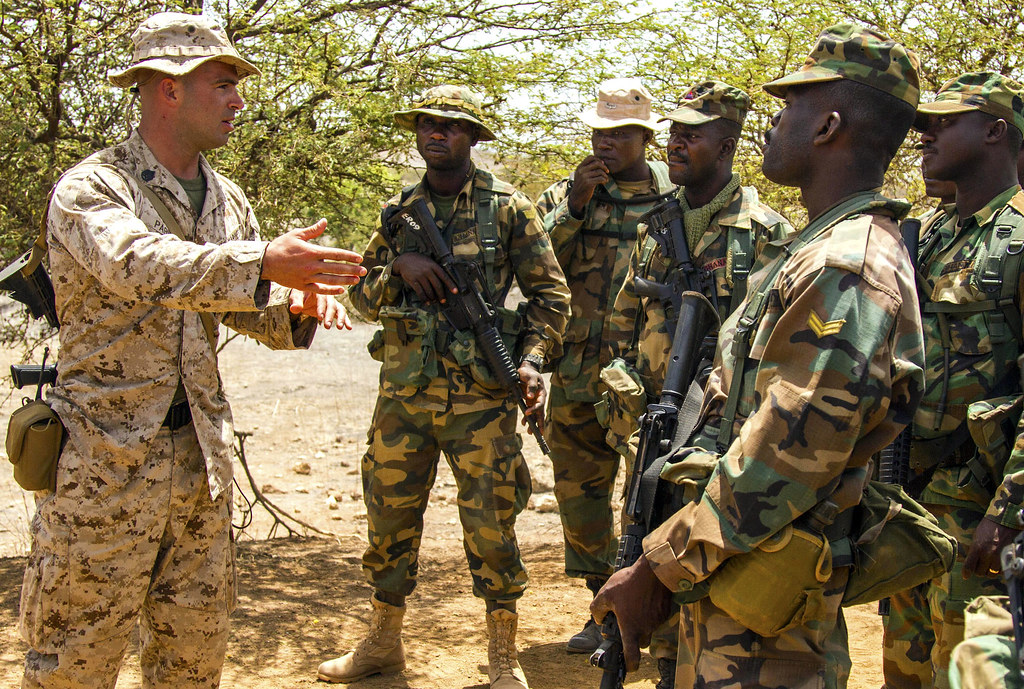
By US Army Africa via Openverse

References

Related stories

India’s development story: The Right Path to Proven Growth

India’s development story is a significant focus at the UNGA, where Foreign Minister Jaishankar addressed pressing global issues and the nation’s progress.

Overview of India’s Development at UNGA

During his address at the United Nations General Assembly (UNGA), India’s External Affairs Minister, S. Jaishankar, highlighted the significance of India’s development story in the context of global challenges. He emphasized that amidst issues such as terrorism and ongoing global conflicts, India remains committed to sustainable growth and progress.

Jaishankar pointed out that India has been a beacon of hope, showcasing resilience and adaptability in the face of the ongoing 4F crisis, which includes food, fuel, finance, and climate challenges. He articulated that India’s development journey is not just a national agenda but a global necessity, as it can contribute to worldwide stability and prosperity.

In his speech, he outlined key areas where India has made substantial advancements:

  • Economic Growth: Robust GDP growth rates and a focus on innovation.
  • Social Progress: Initiatives aimed at poverty alleviation and education.
  • Technological Advancements: Pioneering in digital technology and renewable energy.

Jaishankar’s remarks reaffirmed that India’s development story is integral not only to its citizens but also to the broader international community.

Jaishankar’s Key Points on Global Conflicts

During his address at the United Nations General Assembly (UNGA), Indian External Affairs Minister S. Jaishankar highlighted several pivotal points regarding global conflicts and their implications for India’s development story. He emphasized the interconnectedness of terrorism and international stability, asserting that unchecked extremism poses a significant threat to global peace.

Jaishankar elaborated on four critical areas, termed the “4F crisis,” which include:

  • Food Security: The ongoing conflicts have disrupted supply chains, leading to food shortages in various regions.
  • Fuel Supply: Rising energy prices, exacerbated by geopolitical tensions, have strained economies worldwide.
  • Finance: Economic instability resulting from conflicts hampers development efforts, particularly in developing nations.
  • Future Generations: The impact on youth and education due to conflicts threatens long-term growth and stability.

Jaishankar called for collaborative efforts to address these challenges, asserting that a unified approach is essential for fostering a peaceful environment conducive to India’s development story. He reiterated India’s commitment to being a voice for peace and progress on the global stage.

Understanding the 4F Crisis and Its Impact

The recent address by India’s External Affairs Minister, S. Jaishankar, at the United Nations General Assembly highlighted the multifaceted challenges the nation faces, particularly the 4F crisis. This crisis, encompassing food, fuel, finance, and fertilizers, poses significant threats to India’s development story.

Jaishankar emphasized that the escalating global conflicts and terrorism exacerbate these challenges, affecting not only India but also nations across the globe. The 4F crisis has created an urgent need for collaborative solutions, as disruptions in supply chains and rising costs have far-reaching implications on India’s economy.

In addressing the 4F crisis, the Indian government is focused on ensuring food security, stabilizing fuel prices, providing financial support to those in need, and securing fertilizer supplies for farmers. This approach is vital for maintaining steady growth and fostering resilience within the agricultural sector, which is crucial for India’s overall development.

As Jaishankar pointed out, it is essential for countries to come together to combat these challenges effectively. The path to overcoming the 4F crisis is pivotal for reinforcing India’s development story on the global stage.

The Role of India in Combating Terrorism

In recent discussions at the UNGA, India’s development story has been significantly linked to its proactive stance in combating terrorism. As the nation continues to grow, it recognizes that sustainable development cannot flourish in an environment plagued by violence and instability.

India’s Foreign Minister, S. Jaishankar, emphasized the importance of collaborative efforts to address terrorism, highlighting several key initiatives:

  • International Cooperation: India advocates for a unified global response to terrorism, urging nations to share intelligence and resources.
  • Capacity Building: By assisting other countries in developing their counter-terrorism frameworks, India aims to create a safer international community.
  • Financial Monitoring: India is committed to tracking and halting the funding sources that fuel terrorist activities.

Jaishankar’s remarks underline that as India continues its journey of development, it is vital to address the threats that terrorism poses to national and global security. The interconnection between development and security is clear, making it essential for India to maintain its leadership role in these efforts. Through strong policies and international partnerships, India seeks to ensure that its development story is one of peace and prosperity.

Positive Developments in India’s Economic Growth

India’s development story continues to gain momentum, showcasing significant achievements in various sectors. Recent data highlights a robust economic growth trajectory, driven by a combination of government initiatives and private sector innovation.

Key factors contributing to this positive development include:

  • Infrastructure Investments: The government has ramped up investments in infrastructure projects, leading to improved connectivity and enhanced trade opportunities.
  • Digital Transformation: A shift towards digitalization has empowered businesses and improved service delivery, particularly in sectors like banking and healthcare.
  • Skill Development Programs: Initiatives aimed at enhancing the skill set of the workforce are bridging the gap between education and employment, fostering a new generation of skilled professionals.
  • Foreign Direct Investment: India has become an attractive destination for foreign investors, bolstered by favorable policies and a growing market.

As a result of these efforts, India’s development story is not just about numbers but about improving the quality of life for its citizens. With a focus on sustainable growth, India is poised to emerge as a key player on the global stage, setting an example for other developing nations.

International Reactions to Jaishankar’s Speech

International reactions to External Affairs Minister S. Jaishankar’s speech at the UNGA highlighted a growing acknowledgment of India’s development story. Many nations expressed their appreciation for India’s commitment to addressing global challenges, including terrorism and regional conflicts.

Key reactions came from various global leaders, who emphasized the significance of India’s role in fostering stability and growth. In particular, European Union representatives noted that India’s development story is a testament to its resilience and leadership on the world stage.

Furthermore, several Asian nations expressed their support for India’s proactive approach in handling complex issues such as the 4F crisis. Their leaders pointed out that India’s efforts have created opportunities for collaboration and sustainable development.

Additionally, United States officials praised Jaishankar’s remarks, highlighting that India’s growth trajectory not only benefits its citizens but also contributes to global economic stability. This sentiment was echoed by voices from Latin America, where leaders see India as a partner in driving shared development goals.

Overall, the international community’s positive feedback underscores the importance of India’s development story as a catalyst for collective advancement.

Future Prospects for India’s Development

As India continues to navigate complex global challenges, the future prospects for India’s development story appear promising. With its growing economy and strategic geopolitical positioning, India is set to play a crucial role in shaping the global landscape.

Several factors contribute to this optimism:

  • Demographic Dividend: India boasts a young and dynamic population, which can drive innovation and economic growth if harnessed effectively.
  • Technological Advancements: The country is rapidly adopting new technologies, which can boost productivity across various sectors.
  • Investment in Infrastructure: Significant investments in infrastructure development are expected to enhance connectivity and support economic activities.
  • Sustainable Development Goals: India’s commitment to achieving sustainable development goals positions it as a responsible global player.

Furthermore, India’s diplomatic efforts, as highlighted by Jaishankar at the UNGA, signal a proactive approach to global issues. By promoting stability and cooperation, India can bolster its development story while addressing critical challenges such as terrorism and economic disparities.

In conclusion, the trajectory of India’s development story is not just a national ambition but a global imperative, promising a future shaped by resilience and growth.

Conclusion: A Path Forward for India

In conclusion, India’s development story is one that reflects resilience, ambition, and a commitment to progress. The challenges faced, from global conflicts to terrorism, have only strengthened the nation’s resolve to forge a path of sustainable growth. As highlighted in Jaishankar’s speech at the UNGA, India’s proactive stance in addressing these issues showcases its dedication to not only its own development but also to global stability.

Moving forward, it is essential for India to continue fostering international partnerships and collaborations that can enhance its growth trajectory. Key strategies include:

  • Investing in Technology: Leveraging advancements to improve infrastructure and services.
  • Enhancing Education: Focusing on skill development to prepare a future-ready workforce.
  • Promoting Sustainable Practices: Encouraging green initiatives to combat climate change.
  • Strengthening Security Measures: Ensuring a safe environment for economic activities.

By addressing these critical areas, India can not only navigate the complexities of the modern world but also emerge as a leader in development. The journey ahead is filled with opportunities, and India’s development story is set to inspire many on the global stage.

By Archit Ratan Photography via Openverse

Where this came from

More on this site