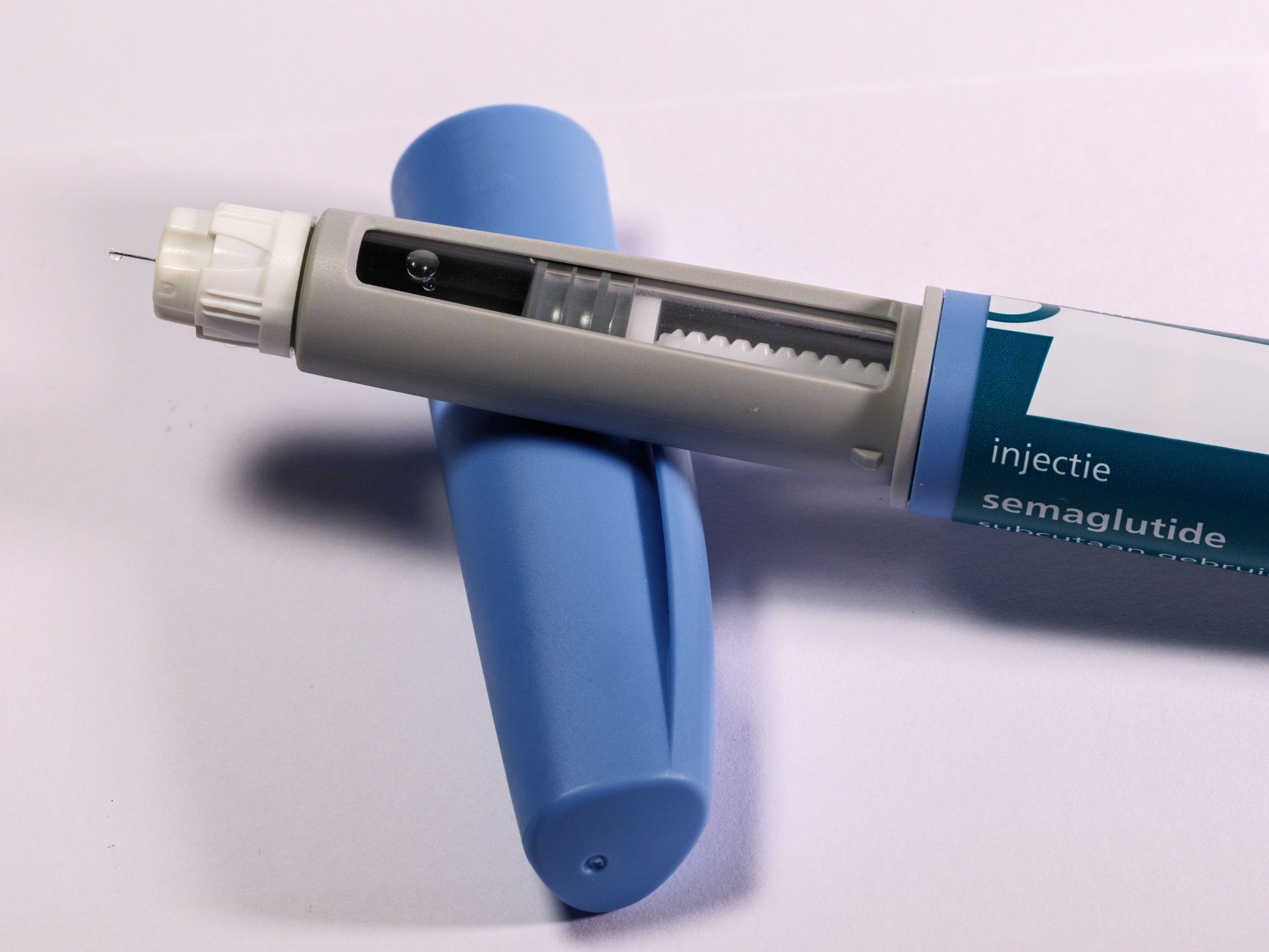

Heart health GLP-1 drugs: The Real Impact on Wellness
Heart health GLP-1 drugs are known to influence cardiovascular conditions. Understanding what happens to heart health when you stop taking these medications is essential for informed decisions.
Understanding GLP-1 Drugs
GLP-1 drugs, or glucagon-like peptide-1 receptor agonists, are a class of medications primarily used for managing type 2 diabetes and obesity. They work by mimicking the incretin hormone, which increases insulin secretion, lowers glucagon levels, and slows gastric emptying. This mechanism not only aids in blood sugar control but also contributes to weight loss, which can significantly impact overall health.
Understanding the effects of GLP-1 drugs on heart health is crucial, as cardiovascular disease remains a leading cause of morbidity and mortality globally. Recent studies have shown that these medications may offer protective benefits for the heart, including:
- Reduced Risk of Heart Attack: Patients taking GLP-1 drugs have demonstrated a lower incidence of major cardiovascular events.
- Improved Heart Function: Some studies suggest that these drugs may help improve left ventricular function in patients with heart failure.
- Weight Management: By promoting weight loss, GLP-1 drugs can alleviate strain on the heart and improve overall cardiovascular health.
However, it is essential to consider what happens to heart health when patients discontinue these medications. Stopping GLP-1 therapy can lead to weight regain and potential deterioration in glucose control, which may adversely affect cardiovascular outcomes. Ongoing research is needed to fully understand the long-term implications of GLP-1 drugs on heart health.
How GLP-1 Drugs Affect Heart Health
Recent studies have highlighted the significant role that GLP-1 drugs play in promoting heart health, particularly for individuals with obesity and diabetes. These medications, originally designed for blood sugar control, have shown additional benefits that extend to cardiovascular wellness.
One of the primary ways GLP-1 drugs affect heart health is through weight loss. By reducing appetite and enhancing satiety, these drugs help patients lose excess weight, which is a crucial factor in lowering the risk of heart disease. Furthermore, studies have indicated that GLP-1 drugs can improve lipid profiles and reduce blood pressure, contributing to overall cardiovascular health.
However, the impact on heart health is not solely dependent on these medications. Patients who discontinue the use of GLP-1 drugs may experience a reversal of these benefits. As weight is regained and metabolic parameters worsen, the protective cardiovascular effects can diminish, leading to increased risks of heart complications.
In summary, while GLP-1 drugs offer valuable advantages for heart health, their discontinuation can significantly affect overall wellness. Continued research is essential to fully understand the long-term implications of these medications on cardiovascular health.
What Happens When You Stop Taking GLP-1 Drugs?
When individuals cease taking GLP-1 drugs, several physiological changes can occur that may impact heart health. These medications are primarily used for managing obesity and type 2 diabetes, but they have also been shown to have beneficial effects on cardiovascular health. Stopping the use of these drugs can lead to a reversal of the positive outcomes associated with their usage.
Upon discontinuation, patients may experience the following:
- Weight Gain: One of the most immediate effects is often weight gain, as GLP-1 drugs help control appetite and promote weight loss. Gaining weight can negatively affect heart health.
- Increased Blood Sugar Levels: Without the regulation provided by GLP-1 medications, blood glucose levels may rise, increasing the risk of diabetes-related heart complications.
- Heightened Risk of Cardiovascular Events: Research indicates that stopping GLP-1 drugs can lead to an increased risk of heart attacks or strokes, particularly in individuals with pre-existing conditions.
It’s crucial for individuals considering stopping GLP-1 drugs to consult with their healthcare providers. This ensures a well-informed decision, taking into account the potential impacts on their heart health and overall wellness.
The Benefits of GLP-1 Medications
GLP-1 medications have garnered attention not only for their role in managing diabetes but also for their significant benefits to heart health. These drugs, originally developed to aid in blood sugar control, have shown promising effects that extend beyond glycemic management.
The benefits of GLP-1 medications include:
- Weight Management: Many patients experience weight loss while on GLP-1 drugs, which can reduce the risk of heart disease and improve overall cardiovascular health.
- Blood Pressure Reduction: Studies indicate that these medications can lead to a decrease in blood pressure, a vital factor in maintaining heart health.
- Cholesterol Improvement: GLP-1 drugs may help lower LDL cholesterol levels, contributing to a healthier lipid profile.
- Reduced Risk of Cardiovascular Events: Clinical trials have demonstrated that GLP-1 medications can significantly lower the incidence of heart attacks and strokes in at-risk populations.
Overall, the impact of heart health GLP-1 drugs extends beyond diabetes management, offering multiple cardiovascular benefits. These advantages highlight the importance of ongoing research and patient awareness regarding the broader implications of GLP-1 therapy in promoting wellness.
Potential Risks After Discontinuation
While GLP-1 drugs have shown promise in improving heart health, discontinuation may pose potential risks that patients should be aware of. Research indicates that stopping these medications can lead to a rapid increase in appetite and weight gain, which may counteract the cardiovascular benefits previously achieved.
When individuals cease using heart health GLP-1 drugs, they may experience several adverse effects, including:
- Weight Gain: Many patients report gaining back lost weight, which can increase the risk of heart disease.
- Increased Blood Sugar Levels: Discontinuation may lead to fluctuating glucose levels, impacting overall metabolic health.
- Cardiovascular Events: Some studies suggest a potential rise in the risk of heart attacks or other cardiovascular events shortly after stopping treatment.
- Psychological Effects: Patients might experience anxiety or depression related to weight gain or changes in health status.
It is crucial for patients to consult with their healthcare providers before making any changes to their GLP-1 drug regimen. A well-structured plan can help mitigate these risks and maintain heart health.
Expert Opinions on Heart Health
Experts in the field of cardiovascular health have shared their insights on the impact of heart health GLP-1 drugs, emphasizing their significance in modern medicine. Dr. Emily Carter, a cardiologist, notes that “the role of GLP-1 medications extends beyond weight management; they play a crucial role in improving cardiovascular outcomes.” She highlights that these drugs not only help patients lose weight but also lower the risk of heart-related complications.
Additionally, Dr. Raj Patel, an endocrinologist, mentions that “the protective effects of GLP-1 drugs can significantly alter the trajectory of heart health in individuals with diabetes.” He points out that many patients experience improved blood pressure and cholesterol levels while on these medications, contributing to overall cardiovascular wellness.
However, experts caution that discontinuing GLP-1 drugs may lead to negative consequences. Dr. Sarah Lin, a clinical researcher, states, “When patients stop taking these medications, they may face a rebound effect that can adversely affect their heart health.” She emphasizes the importance of ongoing monitoring and support for those considering stopping their treatment.
In summary, while heart health GLP-1 drugs offer substantial benefits, expert opinions underscore the necessity of understanding their full impact on wellness and the potential risks involved with discontinuation.
Patient Experiences and Testimonials
Many patients have shared their journeys with heart health GLP-1 drugs, highlighting a range of experiences that underscore the impact of these medications on their overall wellness.
One patient, Sarah, reported significant improvements in her heart health after starting GLP-1 therapy. “I noticed that my blood pressure dropped, and I had more energy,” she said. “It felt like I was finally taking control of my health.” This sentiment is echoed by others who have experienced similar benefits, including weight loss and reduced cholesterol levels.
However, not all testimonials are positive. John, another patient, shared his struggles after discontinuing GLP-1 drugs. “I felt my energy levels plummet, and my cravings returned,” he noted. “It was disheartening to watch my progress reverse.” His experience reflects concerns raised by healthcare professionals regarding the potential risks associated with stopping these medications.
Patients also emphasize the importance of ongoing support from healthcare providers. Many recommend staying engaged with medical advice to navigate any changes in heart health after discontinuation. As these testimonials reveal, the impact of heart health GLP-1 drugs can be profound, but individual experiences may vary significantly.
Future Research Directions
As the interest in heart health GLP-1 drugs continues to grow, researchers are setting their sights on exploring several important questions regarding their long-term effects and potential benefits. Future studies are necessary to gain a deeper understanding of how these medications can be optimized for heart health.
Key areas for exploration include:
- Long-term Effects: Investigating the prolonged impact of GLP-1 drugs on heart health, particularly after extended use.
- Comparison with Other Treatments: Analyzing how GLP-1 medications compare to traditional heart disease treatments in terms of efficacy and safety.
- Dosing and Timing: Studying the best dosing strategies and the timing of administration to maximize heart health benefits.
- Impact on Different Populations: Understanding how these drugs affect diverse populations, including those with varying comorbidities.
- Mechanisms of Action: Unraveling the biological mechanisms that link GLP-1 drugs to heart health improvements.
This research is crucial in informing healthcare providers and patients about the comprehensive effects of GLP-1 drugs, ultimately guiding better treatment decisions and enhancing patient outcomes in the realm of cardiovascular health.
Recent studies have shown that heart health GLP-1 drugs can significantly reduce the risk of cardiovascular events in patients with diabetes. As awareness grows, more individuals are considering heart health GLP-1 drugs as a part of their wellness strategy.
Photo by Haberdoedas Photography on Pexels
Where this came from
Dhoni broke news: The Right Way to Inform Management · GTA 6 Holiday Announcement: The Best Time to Play · International Students Decline: The Real Impact on Education