
High Tides Flooding: The Worst Impact on SoCal Communities

high tides flooding has become a pressing issue for coastal communities in Southern California. As peak tides rise, residents face significant challenges and disruptions in their daily lives.

Understanding High Tides and Their Effects

As coastal communities in Southern California brace for peak high tides, understanding the phenomenon and its implications becomes crucial. High tides occur when the gravitational forces of the moon and sun align in a way that amplifies ocean levels. This natural occurrence can significantly impact coastal regions, especially during storm surges or heavy rainfall.

Residents in affected areas are beginning to witness the effects of high tides flooding, as ocean waters encroach upon streets and homes. The combination of rising sea levels and increased rainfall exacerbates the situation, leading to more frequent and severe flooding events.

Some key factors contributing to high tides and their effects include:

  • Geography: Coastal topography can influence how high tides impact specific areas, with some regions more susceptible to flooding than others.
  • Climate Change: Rising global temperatures have led to increased sea levels, making high tides more impactful for coastal communities.
  • Storm Surges: Severe weather events can elevate tide levels even further, resulting in widespread flooding.

As communities navigate the challenges posed by high tides flooding, preparedness and awareness become essential for mitigating damage and ensuring public safety.

Recent Flooding Incidents in SoCal

Recent flooding incidents in Southern California have raised alarm among residents and local authorities. With peak high tides flooding coastal communities, the impact has been felt far and wide, disrupting daily life and damaging property. These incidents have become increasingly common as climate change intensifies coastal conditions.

Several areas have reported significant flooding, leading to emergency responses and road closures. Key locations affected include:

  • Santa Monica: Streets were submerged, making it difficult for vehicles to navigate.
  • Venice Beach: Residents witnessed seawater encroaching on homes, prompting urgent evacuations.
  • Long Beach: Local businesses faced extensive damage as high tides flooded storefronts.

The flooding has not only caused physical damage but has also raised concerns about public safety. Emergency services have been working tirelessly to assist those impacted, while also addressing the potential for further incidents as forecasts predict continued high tides.

Local officials are urging residents to stay informed about tide schedules and to take precautions as high tides flooding could become a more frequent issue. With climate patterns shifting, the threat to coastal communities remains a pressing concern.

Community Responses to Flooding

In response to the recent surge in high tides flooding, Southern California communities are mobilizing to address the challenges posed by rising waters. Local governments and organizations are implementing a variety of strategies to mitigate the effects on residents and infrastructure.

Many coastal cities have initiated emergency response plans, including:

  • Sandbag Distribution: Communities are providing free sandbags to residents, helping them fortify their properties against potential flooding.
  • Public Awareness Campaigns: Local authorities are launching campaigns to educate residents on the risks associated with high tides and flooding, encouraging preparedness.
  • Infrastructure Improvements: Cities are investing in upgrading drainage systems and seawalls to better handle extreme weather events.

Volunteers have also played a crucial role, with many residents coming together to assist in cleanup efforts after flooding incidents. Community members have expressed solidarity, showcasing their determination to support one another during these challenging times.

As the threat of high tides flooding persists, ongoing collaboration between local governments, organizations, and residents will be essential in fostering resilience and ensuring the safety of vulnerable communities along the coast.

Preventative Measures for Coastal Areas

As communities in Southern California continue to grapple with the effects of high tides flooding, local officials and residents are implementing various preventative measures to mitigate future risks. These strategies aim to enhance resilience against the increasingly frequent and severe flooding events.

One effective approach is the installation of sea walls and barriers along vulnerable coastlines. These structures help to absorb and deflect incoming waves, reducing the impact of high tides on residential and commercial properties. Additionally, many coastal cities are exploring the option of natural solutions, such as restoring wetlands and dunes, which can act as buffers against storm surges and rising waters.

Community engagement plays a vital role in these initiatives. Local governments are organizing educational programs to inform residents about the risks associated with high tides flooding and the importance of preparedness. Workshops focus on emergency planning, encouraging families to develop evacuation plans and assemble disaster supply kits.

Moreover, cities are investing in drainage improvements to ensure stormwater can effectively flow away from populated areas. By enhancing infrastructure and fostering a culture of awareness and preparedness, Southern California communities aim to protect themselves from the devastating effects of high tides flooding in the future.

Future Predictions for Sea Level Rise

As sea levels continue to rise due to climate change, the threat of high tides flooding in Southern California is expected to worsen in the coming years. Experts predict that by 2050, coastal communities could experience significantly increased flooding during peak high tides, resulting in more frequent and severe impacts on infrastructure and local ecosystems.

According to a recent study by climate scientists, several factors contribute to the rising sea levels:

  • Melting ice caps: The accelerated melting of glaciers and polar ice sheets adds substantial volumes of water to the oceans.
  • Thermal expansion: As global temperatures rise, ocean waters expand, further increasing sea levels.
  • Land subsidence: Some regions are sinking due to groundwater extraction and natural geological processes, exacerbating the effects of rising seas.

In light of these predictions, SoCal communities are urged to reassess their flood preparedness plans. This includes enhancing coastal defenses, implementing sustainable land-use policies, and investing in innovative infrastructure solutions designed to withstand future high tides flooding events.

Failure to act could lead to devastating consequences for residents and businesses alike, making it imperative for local governments to prioritize adaptive measures in the face of this looming challenge.

Read the original

ABC7 Los Angeles

More on this site

Motorola Razr Flex 27: The Best Affordable Foldable Phone · Mbappe apology reaction: China’s serious stance on comments · CID Record Breaking Episode: The Boldest TV Experiment Revealed
Delhi non-BS-VI vehicle ban: Is it the worst decision ever?

Delhi non-BS-VI vehicle ban is set to affect daily commuters significantly. The government’s decision aims to improve air quality, but many are concerned about the inconvenience it will cause.

Impact on Daily Commuters

The anticipated Delhi non-BS-VI vehicle ban has raised significant concerns among daily commuters who rely on older vehicles for their transportation needs. As the city prepares to enforce this ban, many are questioning the implications it will have on their daily routines.

For numerous residents, the immediate impact of the ban is clear:

  • Increased commuting costs: With the prohibition of non-BS-VI vehicles, many commuters may be forced to spend more on public transportation or invest in newer, compliant vehicles, which could be financially burdensome.
  • Limited transportation options: The ban may lead to a shortage of available vehicles for hire, as many drivers may be unable to meet the new standards, potentially causing longer wait times and overcrowded public transport systems.
  • Disruption of routines: Commuters accustomed to their usual travel methods might face difficulties adapting to the changes, leading to delays and frustration as they navigate the transition.

While the intention behind the ban is to improve air quality in Delhi, the immediate effects on commuters cannot be ignored. Many are left contemplating whether sacrificing their convenience is worth the potential environmental benefits that may come in the long run.

Reasons Behind the Ban

The decision to implement the Delhi non-BS-VI vehicle ban has sparked a heated debate among residents and environmentalists alike. Several reasons have been cited by authorities to justify this controversial move.

  • Air Quality Improvement: One of the primary motivations behind the ban is the alarming levels of air pollution in Delhi. Non-BS-VI vehicles are known to emit significantly higher levels of harmful pollutants compared to their BS-VI counterparts, which are designed to be less harmful to the environment.
  • Health Concerns: Chronic exposure to air pollutants has been linked to various health issues, including respiratory diseases and cardiovascular problems. By reducing the number of non-BS-VI vehicles on the roads, officials hope to improve public health outcomes and reduce hospital admissions related to pollution.
  • Climate Change: The ban aligns with broader efforts to combat climate change. Transitioning to cleaner vehicles is seen as a crucial step in reducing carbon emissions, which contribute to global warming.
  • Encouragement of Electric Vehicles: By restricting older vehicle models, the ban is expected to encourage the adoption of electric and hybrid vehicles, promoting sustainable transportation options in the city.

While the intentions behind the Delhi non-BS-VI vehicle ban may be commendable, the execution and impact on daily life raise questions about its effectiveness and fairness.

Government’s Air Quality Goals

The government of Delhi has implemented the non-BS-VI vehicle ban as part of its larger strategy to combat declining air quality in the region. This initiative is intended to reduce harmful emissions and improve overall public health. However, it has sparked considerable debate among residents and experts alike regarding its effectiveness and implications.

Delhi’s air quality has consistently ranked among the worst in the world, with pollution levels often exceeding safe limits. The government’s decision to enforce the ban on non-BS-VI vehicles is seen as a necessary step toward achieving cleaner air. However, critics argue that the ban may not be sufficient to address the root causes of air pollution.

Key goals of the government’s air quality strategy include:

  • Reducing vehicular emissions: Transitioning to BS-VI compliant vehicles is expected to significantly lower the pollutants released into the atmosphere.
  • Promoting public transportation: Encouraging the use of buses and metros aims to decrease the number of private vehicles on the road.
  • Increasing awareness: Educating citizens about the importance of air quality and the impact of vehicle emissions on health.

While the non-BS-VI vehicle ban represents a bold move towards cleaner air, its implementation raises questions about the balance between environmental goals and daily commuting realities for residents of Delhi.

Public Reaction to the Decision

The recent decision to implement a ban on non-BS-VI vehicles in Delhi has sparked a wave of public reaction, with opinions divided among residents and commuters. Many people have expressed frustration over the potential inconvenience this ban may cause in their daily lives.

Some commuters voiced their concerns through social media platforms, emphasizing the following points:

  • Economic Impact: Daily wage earners and those relying on older vehicles for their livelihood fear that the ban will lead to increased transportation costs, making it difficult for them to make ends meet.
  • Public Transport Limitations: Critics argue that the current public transport system may not be able to accommodate the increase in passengers, leading to overcrowding and longer wait times.
  • Accessibility Issues: Residents in outlying areas highlighted that public transport options are limited, and the ban on non-BS-VI vehicles could restrict their mobility significantly.

On the other hand, environmental activists have praised the move, stating that the Delhi non-BS-VI vehicle ban is a necessary step towards improving air quality and reducing pollution levels in the city. They argue that cleaner air will ultimately benefit all residents in the long run.

As these discussions continue, the effectiveness of the ban remains a matter of intense debate among the citizens of Delhi.

Alternatives for Affected Drivers

The recent Delhi non-BS-VI vehicle ban has left many drivers seeking alternatives to navigate the city effectively. As the government pushes for improved air quality, affected individuals must consider various options to adapt to these new regulations.

One practical solution is the increased use of public transportation. Options such as:

  • Metro services: The extensive metro network in Delhi offers a reliable and efficient means of travel, reducing reliance on personal vehicles.
  • Bus services: With a range of routes covering the city, buses provide an economical and eco-friendly alternative.
  • Auto-rickshaws: These three-wheeled vehicles can be a flexible option for shorter distances and are often quicker in congested areas.

Another approach is carpooling, which not only minimizes the number of vehicles on the road but also helps reduce travel costs. By sharing rides with others, drivers can navigate the city more efficiently and contribute to lowering overall emissions.

For those who prefer more control over their transportation, exploring electric vehicles (EVs) is a viable long-term investment. With government incentives and an expanding charging infrastructure, EVs are becoming increasingly practical for urban commuters.

Ultimately, while the Delhi non-BS-VI vehicle ban poses challenges, various alternatives can help affected drivers adjust to the new landscape of urban mobility.

Timeline for Implementation

The timeline for the implementation of the Delhi non-BS-VI vehicle ban has been a topic of considerable discussion among policymakers and the public alike. Initially announced earlier this year, the ban is set to take effect in phases to minimize disruption while addressing air quality concerns.

The government has outlined the following key dates for the rollout:

  • Announcement Date: The ban was officially announced on January 15, 2023, with a detailed plan to phase out non-BS-VI vehicles.
  • Public Awareness Campaign: From February 1 to March 31, 2023, the government launched an extensive public awareness campaign, educating citizens about the new regulations and their implications.
  • Grace Period: A grace period was established from April 1 to June 30, 2023, allowing owners of non-BS-VI vehicles to make alternative arrangements before the ban takes full effect.
  • Full Enforcement: The complete enforcement of the ban is scheduled for July 1, 2023, when non-BS-VI vehicles will be prohibited from operating within city limits.

This timeline aims to provide a structured approach to the ban, ensuring that residents have adequate time to adapt while addressing the urgent need for better air quality in Delhi.

Potential Legal Challenges

The Delhi non-BS-VI vehicle ban has sparked concerns not only among daily commuters but also regarding potential legal challenges that may arise in the coming weeks. As the government prepares to implement this significant policy change, several stakeholders are considering their options to contest the ban.

Legal experts suggest that the ban could face scrutiny on multiple fronts:

  • Right to Mobility: Critics argue that the ban infringes upon an individual’s right to mobility, which may lead to legal battles centered on personal freedoms.
  • Economic Impact: Businesses relying on non-BS-VI vehicles may challenge the ban on economic grounds, claiming it threatens livelihoods and disrupts commerce.
  • Environmental Regulations: Some legal analysts point out inconsistencies in how the ban aligns with existing environmental laws, which may open the door for challenges based on regulatory interpretation.
  • Implementation Issues: Questions regarding the practicality of enforcing the ban, including the logistics of compliance and monitoring, may also lead to legal inquiries.

As this situation unfolds, it remains to be seen how the courts will interpret the legal arguments against the Delhi non-BS-VI vehicle ban. The outcome could significantly influence the future of vehicle regulations in the capital and potentially set a precedent for other regions considering similar measures.

Future of Vehicle Regulations in Delhi

The future of vehicle regulations in Delhi appears to be shifting towards more stringent measures, aiming to combat air pollution and improve overall air quality. The recent Delhi non-BS-VI vehicle ban has sparked a debate about the efficacy and timing of such regulations. With the ban set to come into effect, many experts are weighing the implications for the automotive industry and the general public.

As the government pushes for cleaner technologies, the focus is increasingly on promoting electric and hybrid vehicles. This shift could lead to a reduction in the number of internal combustion engine vehicles on the roads, which are a significant contributor to pollution. However, this transition may not be smooth, as the infrastructure for electric vehicles is still in its infancy in many parts of the city.

Moreover, there are concerns regarding the economic impact on vehicle owners who may face significant financial burdens due to the ban. The push for compliance with BS-VI standards also raises questions about the fate of older vehicles and their owners, who may struggle to adapt to the new regulations.

  • Possible increase in electric vehicle adoption
  • Need for better charging infrastructure
  • Economic implications for vehicle owners

In conclusion, the future of vehicle regulations in Delhi remains uncertain, but the non-BS-VI vehicle ban marks a pivotal moment in the city’s efforts to improve air quality and public health.

The Delhi non-BS-VI vehicle ban has sparked heated debates among citizens and policymakers alike. Many argue that the Delhi non-BS-VI vehicle ban could have severe economic repercussions, while others believe it is a necessary step towards improving air quality.

Where this came from

NDTV

You might also like

Peyton Manning Colts GM: Worst Decision for the Team · First-Aid Facilities in Schools: A Smart Move for Safety · October 2026 Holiday Schedule: What’s Open and Closed?

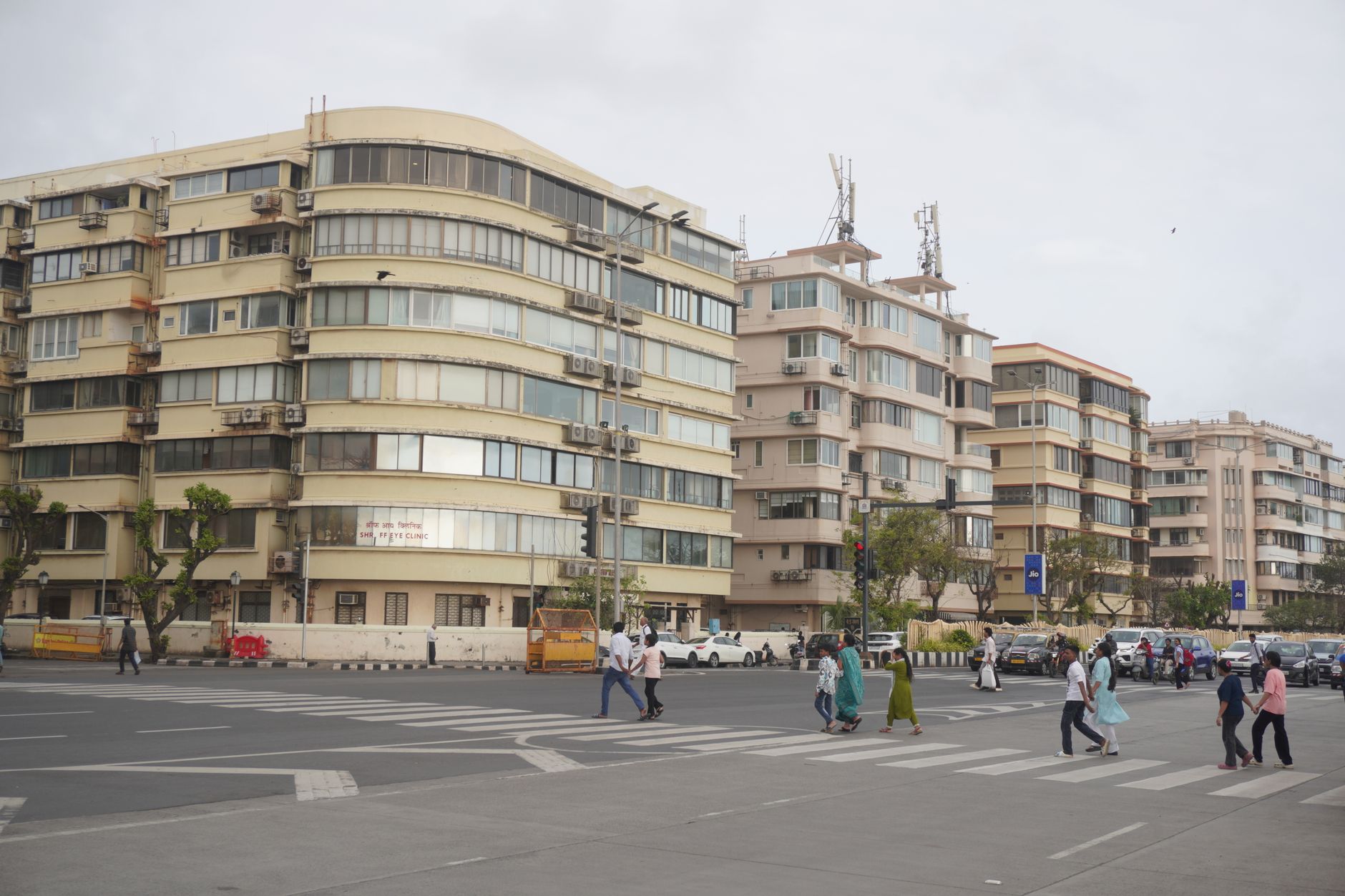
Mumbai air quality: What makes it the worst in India?

Mumbai air quality is dangerously low, making it the worst in India. Various factors contribute to this alarming situation, affecting the health of millions.

Current Air Quality Status in Mumbai

The current air quality status in Mumbai has raised significant concerns among residents and health experts alike. As the city grapples with severe pollution levels, it has been reported that Mumbai air quality is among the worst in India.

Recent data indicates that the air quality index (AQI) often exceeds safe limits, posing serious health risks. Factors contributing to this alarming situation include:

  • Vehicular Emissions: The dense traffic in Mumbai leads to high emissions of nitrogen oxides and particulate matter.
  • Construction Activities: Ongoing construction projects generate dust and other pollutants, worsening air quality.
  • Industrial Pollution: Nearby industrial zones release toxic pollutants that drift into the city.
  • Seasonal Factors: During winter months, weather patterns trap pollutants close to the ground, exacerbating the situation.

Health officials warn that prolonged exposure to poor air quality can lead to respiratory issues, cardiovascular diseases, and other serious health concerns. Residents are encouraged to monitor air quality reports and take necessary precautions to safeguard their health.

Efforts to improve Mumbai air quality are underway, but immediate action is crucial to protect the city’s population.

Health Impacts of Poor Air Quality

The deteriorating Mumbai air quality poses significant health risks to its residents. Prolonged exposure to high levels of air pollution can lead to various health complications, particularly affecting vulnerable populations such as children, the elderly, and those with pre-existing conditions.

Health impacts associated with poor air quality in Mumbai include:

  • Respiratory Problems: Increased incidence of asthma, bronchitis, and other respiratory conditions.
  • Cardiovascular Issues: Higher rates of heart attacks and strokes linked to air pollution exposure.
  • Neurological Effects: Emerging studies suggest a connection between air pollution and cognitive decline, potentially increasing the risk of diseases like Alzheimer’s.
  • Adverse Pregnancy Outcomes: Pregnant women exposed to polluted air are at risk of low birth weight and preterm births.

Moreover, the psychological effects of living in a polluted environment cannot be overlooked. Chronic exposure to air pollutants can lead to increased stress and anxiety levels among residents. As Mumbai grapples with its status as having the worst air quality in India, addressing these health concerns becomes paramount for safeguarding the well-being of its population.

Government Measures to Combat Pollution

The government has recognized the alarming state of Mumbai air quality and is taking steps to address the issue. Several initiatives have been launched to combat pollution levels that have made the city one of the worst in India.

Among the measures implemented are:

  • Monitoring and Reporting: Authorities have increased air quality monitoring stations across the city to provide real-time data on pollution levels.
  • Emission Control: Stricter regulations are being enforced on industrial emissions and construction activities, which are significant contributors to air pollution.
  • Public Transport Improvements: Investments in public transport systems aim to reduce vehicular emissions by encouraging residents to use buses and trains instead of personal vehicles.
  • Awareness Campaigns: The government is launching campaigns to educate citizens about the impacts of pollution and ways to reduce their carbon footprint.
  • Green Initiatives: Initiatives such as planting trees and creating green spaces are being promoted to enhance urban biodiversity and improve air quality.

Despite these efforts, the effectiveness of such measures remains to be seen, as Mumbai continues to struggle with its air quality challenges.

Public Awareness and Action Steps

The alarming state of Mumbai air quality has sparked public concern and awareness regarding the city’s pollution crisis. Citizens are increasingly recognizing the need for individual and collective action to combat the deteriorating air conditions.

To effectively address this issue, residents are encouraged to adopt several proactive measures:

  • Monitoring Air Quality: Utilize apps and websites that provide real-time air quality updates to stay informed about pollution levels.
  • Reducing Vehicle Use: Opt for public transportation, carpooling, or cycling to decrease vehicular emissions that contribute to air pollution.
  • Advocating for Green Spaces: Support initiatives that promote the creation and maintenance of parks and green areas, which can help improve air quality.
  • Engaging in Community Clean-Up Drives: Participate in local campaigns aimed at cleaning up neighborhoods, reducing waste, and promoting recycling efforts.
  • Educating Others: Share information about the impacts of poor air quality and the importance of environmental responsibility with friends and family.

By taking these steps, individuals can contribute to improving the overall air quality in Mumbai and foster a healthier environment for everyone.

Mumbai air quality has been a growing concern due to increasing vehicular emissions and industrial pollution. The combination of these factors makes Mumbai air quality the worst in India, affecting the health of its residents.

Photo by Sphotoedit on Pexels

Where this came from

Related reading

NASA wildfire weather study: Proven insights into fire clouds

NASA wildfire weather study is exploring the unique weather phenomena created by wildfires, particularly the formation of ‘fire clouds’. This project aims to understand the implications of these changes on our environment.

What are fire clouds?

Fire clouds, also known as pyrocumulus clouds, are a fascinating meteorological phenomenon often formed during intense wildfire activity. These clouds emerge when heat from the flames causes moisture in the air to rise rapidly, creating towering clouds that can influence local weather patterns significantly.

According to recent findings from the NASA wildfire weather study, fire clouds can produce lightning and even precipitation, which can, in turn, exacerbate or mitigate wildfires. These clouds are typically characterized by their dark appearance and can stretch high into the atmosphere, sometimes reaching altitudes of over 20,000 feet.

Understanding fire clouds is essential for predicting their impact on the environment, as they can lead to dangerous weather phenomena such as fire-induced thunderstorms, complicating firefighting efforts and posing risks to nearby communities.

How wildfires impact weather

Wildfires are not only destructive forces on the ground but also significantly influence weather patterns. As wildfires burn, they release vast amounts of smoke and heat, leading to the formation of unique weather phenomena known as fire clouds. These clouds can alter local atmospheric conditions, affecting temperature, humidity, and even precipitation. NASA’s wildfire weather study aims to understand these complex interactions by analyzing how fire clouds can modify weather systems.

Researchers have found that fire clouds can create powerful updrafts, which may lead to the development of thunderstorms, sometimes resulting in increased rainfall. However, this rainfall can also be erratic and unpredictable. The implications of these findings are crucial, as understanding how wildfires impact weather is essential for improving forecasting and response strategies during fire events.

Through advanced satellite technology, scientists are gaining valuable insights into these dynamics, ultimately helping to mitigate the consequences of wildfires.

The science behind fire clouds

The recent NASA wildfire weather study has unveiled the complex interactions between wildfires and the atmosphere. Fire clouds, formed by intense heat from wildfires, play a crucial role in influencing local weather patterns. These clouds can lead to the development of thunderstorms, affecting precipitation and wind conditions.

Researchers have identified several key characteristics of fire clouds:

  • Formation: Fire clouds develop when rising smoke and heat create updrafts that cool and condense moisture in the air.
  • Impact on Weather: They can produce lightning, which may ignite new fires, and alter rainfall distribution.
  • Climate Feedback: The interaction between fire clouds and weather can contribute to broader climate changes.

Understanding these dynamics is essential for improving predictive models and enhancing wildfire management strategies.

NASA’s research objectives

NASA’s research objectives focus on understanding the complex interactions between wildfires and weather phenomena. The NASA wildfire weather study aims to uncover how fire clouds form and influence atmospheric conditions. By utilizing advanced satellite technology and airborne instruments, researchers seek to collect comprehensive data on the behavior of fire clouds and their effects on local and regional weather patterns.

Key objectives of the study include:

  • Identifying the formation mechanisms of fire clouds.
  • Assessing how these clouds alter precipitation patterns.
  • Examining the impact of smoke and pollutants on air quality.
  • Determining the relationship between wildfire intensity and atmospheric changes.

Through this research, NASA hopes to improve predictive models and enhance understanding of wildfire dynamics in the context of climate change.

Implications for climate change

The implications of the NASA wildfire weather study extend far beyond immediate fire management. As wildfires become more frequent and intense due to climate change, understanding their impact on weather patterns is crucial. The interactions between fire clouds and atmospheric conditions can exacerbate existing climate issues, potentially leading to more severe weather events.

Moreover, the insights gained from studying these phenomena may aid in predicting and mitigating the effects of wildfires on air quality and health. As fire clouds can influence rainfall and temperature, policymakers and environmentalists may need to adjust strategies for disaster preparedness and resource allocation.

In essence, the findings from NASA’s research not only enhance our understanding of fire clouds but also provide critical data that could inform climate action and adaptation efforts in an era of increasing environmental uncertainty.

Public safety and wildfire weather

The NASA wildfire weather study highlights the crucial connection between fire behavior and public safety. As wildfires become increasingly prevalent, understanding the weather phenomena they create is essential to protect communities and ecosystems.

Fire clouds, often formed by intense heat and smoke, can significantly alter local weather patterns, leading to conditions that exacerbate fire spread. This can pose serious risks to nearby populations and emergency responders. The study aims to provide valuable insights that can guide evacuation plans and firefighting strategies.

Experts emphasize the importance of real-time data collection and analysis to forecast the behavior of fire clouds and their potential impacts. By enhancing predictive models, the NASA wildfire weather study seeks to improve preparedness and response efforts, ultimately reducing the devastating effects of wildfires on human lives and property.

  • Enhancing public safety through better forecasting
  • Guiding evacuation and firefighting strategies
  • Reducing risks associated with fire clouds

Expert opinions on the findings

Experts in meteorology and environmental science have weighed in on the recent NASA wildfire weather study, emphasizing its groundbreaking implications. Dr. Emily Tran, a leading climatologist, stated, “This research sheds light on the complex interactions between wildfires and atmospheric conditions, revealing how fire clouds can influence local weather patterns.”

Furthermore, Dr. James Kline, a wildfire management specialist, noted, “Understanding these dynamics is crucial for predicting fire behavior and improving our response strategies.” Experts agree that the study’s findings could enhance forecasting models, ultimately aiding in disaster preparedness.

Dr. Sarah Liu, an atmospheric scientist, added, “The insights from NASA’s work can help inform policies aimed at mitigating the impacts of wildfires on communities and ecosystems.” As wildfires become increasingly frequent, the need for such research is more pressing than ever.

Future of wildfire research

The future of wildfire research is poised for significant advancements, particularly through initiatives like the NASA wildfire weather study. As scientists delve deeper into the complex interactions between wildfires and atmospheric conditions, new technologies and methodologies will enhance our understanding of these phenomena.

Researchers are likely to focus on:

  • Enhanced satellite monitoring: Utilizing advanced satellite systems to track fire clouds and weather patterns in real-time.
  • Predictive modeling: Developing more accurate models to forecast wildfire behavior and its ensuing weather effects.
  • Interdisciplinary collaboration: Engaging with climatologists, meteorologists, and ecologists to form a holistic view of wildfire impacts.
  • Public engagement: Increasing awareness and education efforts regarding the implications of wildfire weather on communities.

These efforts will not only improve safety measures but also contribute to long-term climate resilience strategies.

The NASA wildfire weather study has revealed critical patterns in how fire clouds form and behave during extreme weather events. These findings from the NASA wildfire weather study are essential for improving predictive models for future wildfires.

By NASA Goddard Photo and Video via Openverse

Sources

NBC News

You might also like

Congress demands more seats: Is it the right move? · M31-V1 star: The Best Proven Discovery in Astronomy · Operation Vivaldi: Is This the Best Move for Donbas?