
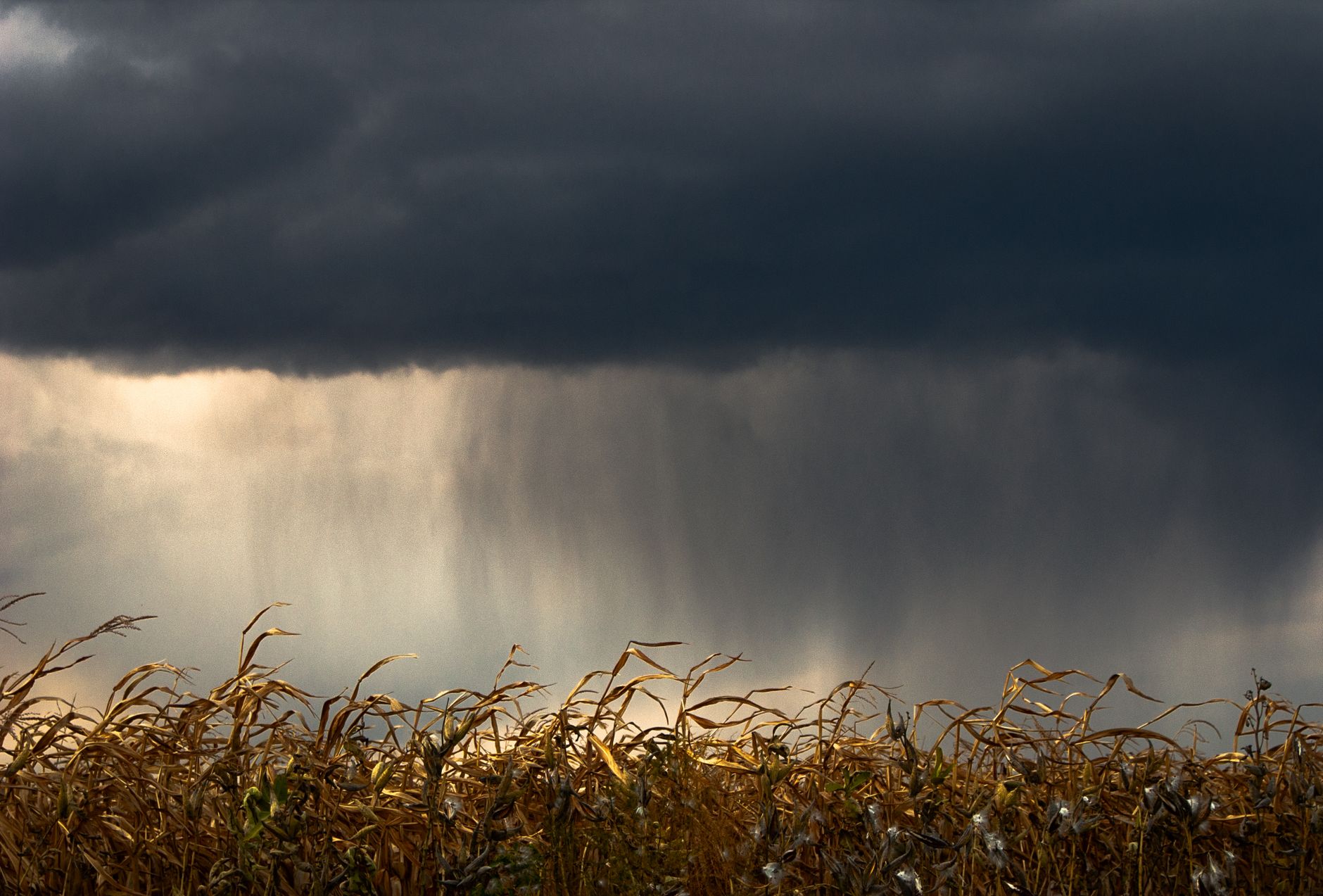

Unseasonal Rainfall Diseases: The Worst Threats Explained
Unseasonal rainfall diseases pose a significant threat to public health. With the unexpected downpours, the risk of vector and waterborne diseases increases dramatically.
Understanding Unseasonal Rainfall
Unseasonal rainfall has become a growing concern as it significantly alters the environmental conditions necessary for disease transmission. The unexpected downpours create a perfect breeding ground for various vectors, including mosquitoes and other insects, which thrive in wet conditions. This phenomenon not only increases the likelihood of vector-borne diseases but also raises the risk of waterborne illnesses.
Many communities are facing challenges in managing the aftermath of unseasonal rainfall diseases, which include:
- Malaria: An increase in stagnant water can lead to a surge in mosquito populations, heightening malaria transmission.
- Dengue Fever: The presence of additional breeding sites for Aedes mosquitoes can lead to outbreaks of dengue fever.
- Cholera: Contaminated water sources can lead to the spread of cholera and other gastrointestinal diseases.
Addressing these health threats requires immediate action and community awareness to mitigate the impact of unseasonal rainfall diseases.
Impact on Public Health
The recent surge in unseasonal rainfall has significant implications for public health, particularly in the spread of various diseases. The excess moisture creates ideal breeding conditions for vectors such as mosquitoes, which can lead to outbreaks of diseases like malaria and dengue fever.
Additionally, waterlogged environments facilitate the contamination of water supplies, increasing the risk of waterborne diseases. Communities may face heightened exposure to illnesses such as:
- Cholera
- Typhoid
- Hepatitis A
Health authorities are urging residents to take precautions as the connection between unseasonal rainfall and diseases becomes increasingly evident. Public health campaigns are crucial to educate populations on preventive measures, as the consequences of these diseases can be severe, particularly for vulnerable groups like children and the elderly.
Addressing these threats is essential to safeguard community health amidst the challenges posed by shifting weather patterns.
Vector-Borne Disease Risks
The occurrence of unseasonal rainfall has heightened the risk of vector-borne diseases, which pose significant threats to public health. As water stagnates in various areas, it creates ideal breeding grounds for disease-carrying vectors such as mosquitoes and ticks.
Some of the most concerning vector-borne diseases associated with unseasonal rainfall include:
- Malaria: Spread by Anopheles mosquitoes, malaria cases tend to rise with increased rainfall, as stagnant water facilitates mosquito breeding.
- Dengue Fever: Aedes mosquitoes thrive in urban areas with puddles and water storage, increasing the likelihood of dengue outbreaks.
- Chikungunya: Similar to dengue, chikungunya is transmitted by Aedes mosquitoes, with symptoms often exacerbated by unseasonal conditions.
Health authorities emphasize the importance of monitoring and mitigating the risks associated with these unseasonal rainfall diseases to protect communities effectively.
Waterborne Disease Concerns
The recent surge in unseasonal rainfall has raised significant concerns about the proliferation of waterborne diseases. As the heavy rains lead to flooding, stagnant water becomes a breeding ground for pathogens, posing serious health risks to communities.
Among the most common waterborne diseases are:
- Cholera: Often linked to contaminated water sources, cholera outbreaks can occur rapidly in affected areas.
- Typhoid Fever: Spread through contaminated food and water, this disease can lead to severe complications if not treated promptly.
- Leptospirosis: This bacterial infection is often contracted through contact with water contaminated by animal urine, which can increase during flooding.
Health officials are urging communities to take precautions to prevent the spread of these unseasonal rainfall diseases. Ensuring access to clean water, proper sanitation, and public awareness campaigns are critical in mitigating these risks.
Preventative Measures to Take
As unseasonal rainfall becomes increasingly prevalent, it is crucial to implement effective preventative measures to mitigate the risks associated with unseasonal rainfall diseases. Here are some essential steps individuals and communities can take:
- Improve Water Management: Ensure that water storage containers are properly covered to prevent mosquito breeding.
- Maintain Clean Environments: Regularly clean and remove stagnant water around homes and public areas.
- Promote Hygiene Practices: Encourage handwashing and safe drinking water practices to reduce the spread of waterborne diseases.
- Utilize Mosquito Control Methods: Employ insect repellents and use screens on windows and doors to keep pests at bay.
- Educate the Community: Raise awareness about the symptoms of diseases linked to unseasonal rainfall and the importance of early medical intervention.
By taking these proactive measures, communities can effectively reduce the health risks posed by the emerging threats of unseasonal rainfall diseases.
Government Response to Health Threats
The government has initiated a multi-faceted response to combat the health threats posed by unseasonal rainfall diseases. Authorities are focusing on enhancing public health infrastructure and increasing awareness among communities about potential risks. Key actions include:
- Monitoring and Surveillance: Health departments are ramping up efforts to monitor disease outbreaks, ensuring rapid response to any emerging threats.
- Public Awareness Campaigns: Information is being disseminated to educate the public on recognizing symptoms of waterborne and vector-borne diseases.
- Resource Allocation: Increased funding is being directed towards healthcare facilities to better prepare for the influx of cases linked to unseasonal rainfall.
- Collaboration with NGOs: Partnerships with non-governmental organizations aim to improve outreach and provide essential services in affected areas.
These efforts are crucial in mitigating the impact of diseases and safeguarding public health during this unpredictable season.
Community Awareness and Education
Community awareness and education play a critical role in combating unseasonal rainfall diseases. As the patterns of rainfall shift, it is essential for residents to understand the risks associated with this phenomenon. Local health departments and non-profit organizations are working tirelessly to educate the public about the connection between unseasonal rainfall and the rise of various diseases.
Effective community outreach programs focus on the following:
- Informing residents about the symptoms and prevention of vector-borne and waterborne diseases.
- Encouraging proper sanitation practices to mitigate the effects of stagnant water, which can lead to outbreaks.
- Utilizing social media and local events to spread awareness and share vital health information.
By fostering a well-informed community, the risks posed by unseasonal rainfall diseases can be significantly reduced, ultimately protecting public health.
Photo by Andriy Nestruiev on Pexels
Sources
Windows 11 RAM Usage: Worst Update Falls Short of Claims · DMK Meet News: Is It the Best Strategy for INDIA Bloc? · Trump Ukraine Starlink access: Honest denial of restrictions