

Mumbai air quality: What makes it the worst in India?
Mumbai air quality is dangerously low, making it the worst in India. Various factors contribute to this alarming situation, affecting the health of millions.
Current Air Quality Status in Mumbai
The current air quality status in Mumbai has raised significant concerns among residents and health experts alike. As the city grapples with severe pollution levels, it has been reported that Mumbai air quality is among the worst in India.
Recent data indicates that the air quality index (AQI) often exceeds safe limits, posing serious health risks. Factors contributing to this alarming situation include:
- Vehicular Emissions: The dense traffic in Mumbai leads to high emissions of nitrogen oxides and particulate matter.
- Construction Activities: Ongoing construction projects generate dust and other pollutants, worsening air quality.
- Industrial Pollution: Nearby industrial zones release toxic pollutants that drift into the city.
- Seasonal Factors: During winter months, weather patterns trap pollutants close to the ground, exacerbating the situation.
Health officials warn that prolonged exposure to poor air quality can lead to respiratory issues, cardiovascular diseases, and other serious health concerns. Residents are encouraged to monitor air quality reports and take necessary precautions to safeguard their health.
Efforts to improve Mumbai air quality are underway, but immediate action is crucial to protect the city’s population.
Health Impacts of Poor Air Quality
The deteriorating Mumbai air quality poses significant health risks to its residents. Prolonged exposure to high levels of air pollution can lead to various health complications, particularly affecting vulnerable populations such as children, the elderly, and those with pre-existing conditions.
Health impacts associated with poor air quality in Mumbai include:
- Respiratory Problems: Increased incidence of asthma, bronchitis, and other respiratory conditions.
- Cardiovascular Issues: Higher rates of heart attacks and strokes linked to air pollution exposure.
- Neurological Effects: Emerging studies suggest a connection between air pollution and cognitive decline, potentially increasing the risk of diseases like Alzheimer’s.
- Adverse Pregnancy Outcomes: Pregnant women exposed to polluted air are at risk of low birth weight and preterm births.
Moreover, the psychological effects of living in a polluted environment cannot be overlooked. Chronic exposure to air pollutants can lead to increased stress and anxiety levels among residents. As Mumbai grapples with its status as having the worst air quality in India, addressing these health concerns becomes paramount for safeguarding the well-being of its population.
Government Measures to Combat Pollution
The government has recognized the alarming state of Mumbai air quality and is taking steps to address the issue. Several initiatives have been launched to combat pollution levels that have made the city one of the worst in India.
Among the measures implemented are:
- Monitoring and Reporting: Authorities have increased air quality monitoring stations across the city to provide real-time data on pollution levels.
- Emission Control: Stricter regulations are being enforced on industrial emissions and construction activities, which are significant contributors to air pollution.
- Public Transport Improvements: Investments in public transport systems aim to reduce vehicular emissions by encouraging residents to use buses and trains instead of personal vehicles.
- Awareness Campaigns: The government is launching campaigns to educate citizens about the impacts of pollution and ways to reduce their carbon footprint.
- Green Initiatives: Initiatives such as planting trees and creating green spaces are being promoted to enhance urban biodiversity and improve air quality.
Despite these efforts, the effectiveness of such measures remains to be seen, as Mumbai continues to struggle with its air quality challenges.
Public Awareness and Action Steps
The alarming state of Mumbai air quality has sparked public concern and awareness regarding the city’s pollution crisis. Citizens are increasingly recognizing the need for individual and collective action to combat the deteriorating air conditions.
To effectively address this issue, residents are encouraged to adopt several proactive measures:
- Monitoring Air Quality: Utilize apps and websites that provide real-time air quality updates to stay informed about pollution levels.
- Reducing Vehicle Use: Opt for public transportation, carpooling, or cycling to decrease vehicular emissions that contribute to air pollution.
- Advocating for Green Spaces: Support initiatives that promote the creation and maintenance of parks and green areas, which can help improve air quality.
- Engaging in Community Clean-Up Drives: Participate in local campaigns aimed at cleaning up neighborhoods, reducing waste, and promoting recycling efforts.
- Educating Others: Share information about the impacts of poor air quality and the importance of environmental responsibility with friends and family.
By taking these steps, individuals can contribute to improving the overall air quality in Mumbai and foster a healthier environment for everyone.
Mumbai air quality has been a growing concern due to increasing vehicular emissions and industrial pollution. The combination of these factors makes Mumbai air quality the worst in India, affecting the health of its residents.
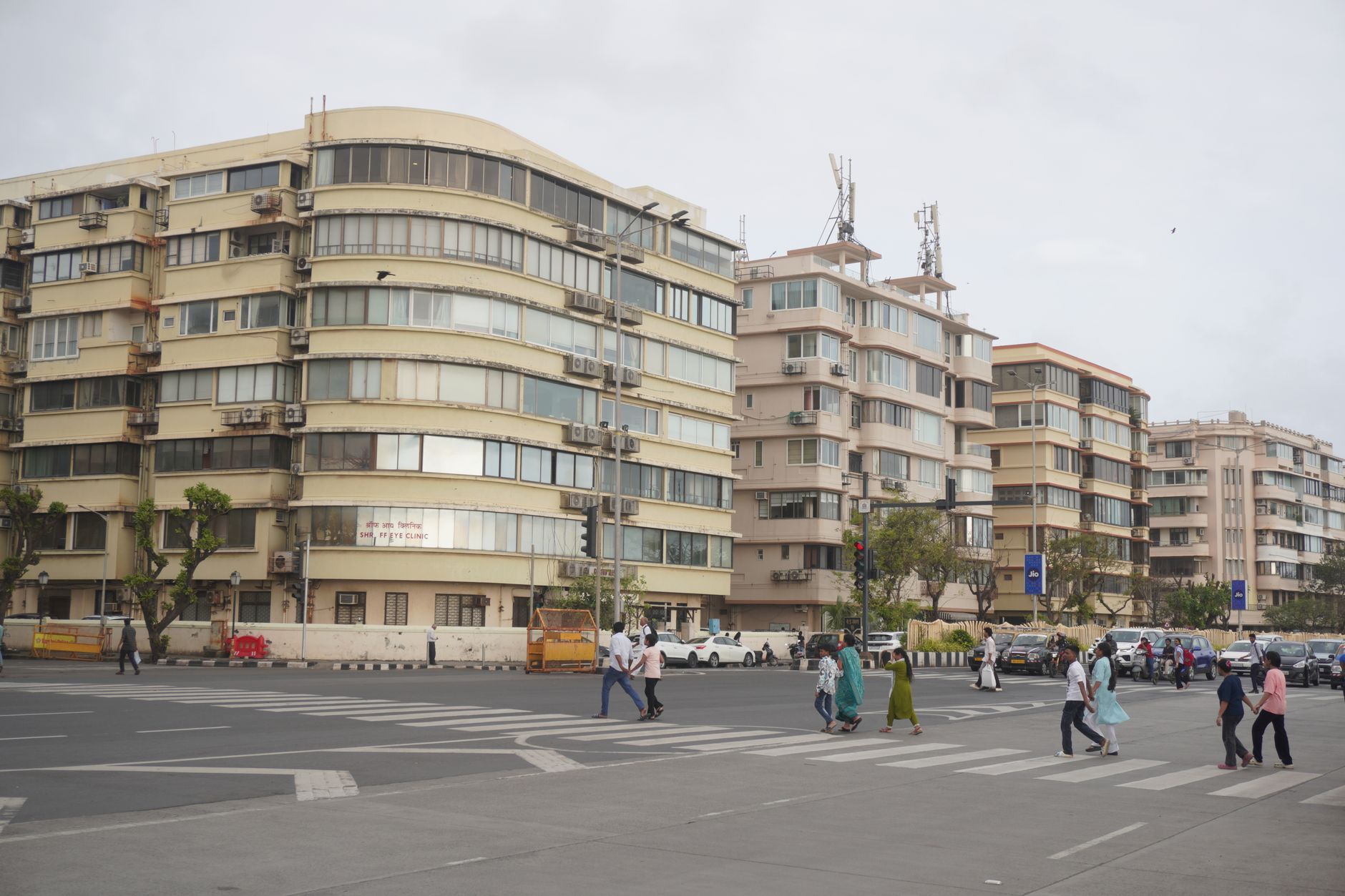
Photo by Sphotoedit on Pexels