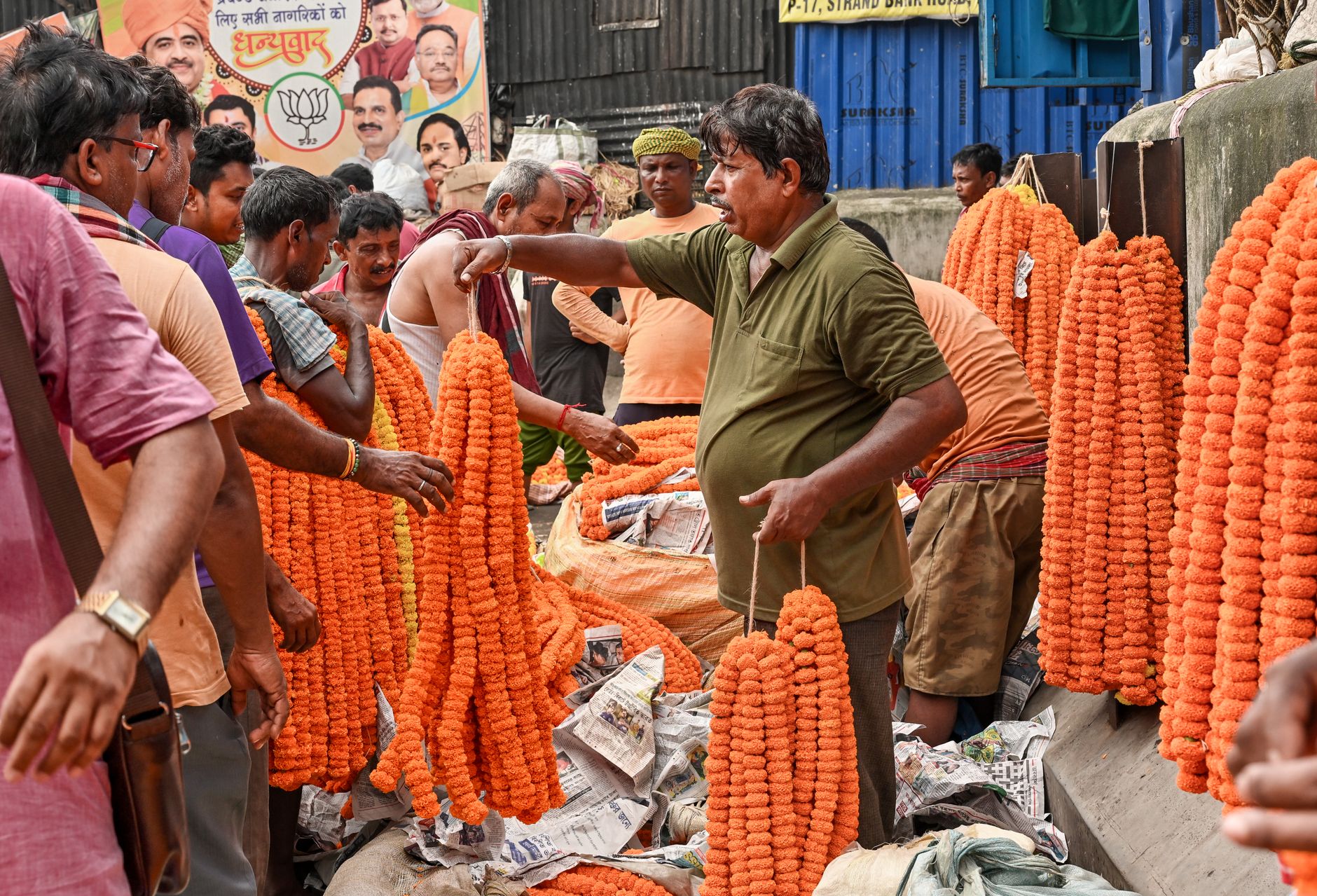
Diwali Muhurat Trading: The Best Time for Investors to Profit

Diwali Muhurat trading is set to begin today, offering investors a unique opportunity to engage in stock and commodity markets during this auspicious time.

What is Diwali Muhurat Trading?

Diwali Muhurat trading is a unique practice in Indian financial markets that occurs during the festival of Diwali. This special trading session typically takes place on the evening of Lakshmi Puja, when investors believe that trading during this auspicious time will bring prosperity and wealth.

It is a tradition that has been observed for decades, and many investors consider it an essential part of their investment strategy. The markets open for a short duration, usually around one hour, and participants engage in both stock and commodity transactions.

During Diwali Muhurat trading, investors often look for opportunities in blue-chip stocks and commodities, aiming to maximize their profits. The session is characterized by a positive sentiment, with many traders believing that any investments made during this time will yield favorable returns throughout the year.

Thus, Diwali Muhurat trading is not just a ritual; it is a significant opportunity for investors to capitalize on the festive spirit.

Benefits of Trading During Diwali

Diwali Muhurat trading offers several benefits for investors looking to make the most of this auspicious occasion. Traditionally considered a time for new beginnings, Diwali aligns with positive sentiments in the market, which can lead to profitable trading opportunities.

Some of the key advantages include:

  • Positive Market Sentiment: The festive mood often boosts investor confidence, driving market performance.
  • Long-Term Wealth Creation: Many investors believe that investments made during Diwali Muhurat trading can yield favorable returns over time.
  • Increased Liquidity: The influx of retail investors during this period enhances trading volumes, making it easier to buy and sell stocks.
  • Symbolic Significance: Many see this trading period as a good omen, believing that their investments will grow as the new year begins.

In conclusion, engaging in Diwali Muhurat trading could provide investors with an advantageous start to their financial journey.

How to Prepare for Muhurat Trading

Preparing for Diwali Muhurat trading requires careful planning and strategy. Investors should follow these steps to make the most of this auspicious occasion:

  • Research Market Trends: Analyze historical data and current market trends to identify potential opportunities.
  • Set Clear Goals: Define your investment objectives, whether it’s short-term gains or long-term growth.
  • Diversify Your Portfolio: Invest in a mix of stocks and commodities to mitigate risk and enhance potential returns.
  • Stay Informed: Keep up with financial news and updates related to the companies and sectors you are interested in.
  • Consult Experts: Seek advice from financial advisors to refine your strategy and make informed decisions.

By following these guidelines, investors can effectively prepare for Diwali Muhurat trading and position themselves for potential profits.

Market Trends to Watch

As investors gear up for the auspicious occasion of Diwali Muhurat trading, several market trends are emerging that could influence trading strategies. Historically, this period has been characterized by heightened buying activity, as many consider it an opportune time to invest in equities and commodities.

  • Increased Retail Participation: Retail investors often flock to the markets during this festive time, leading to a surge in trading volumes.
  • Sector Performance: Certain sectors, such as consumer goods and hospitality, tend to perform well during this period as demand spikes.
  • Global Cues: Investors should also keep an eye on global market trends, as international cues can significantly impact local sentiments.
  • Market Sentiment: Positive news and festive enthusiasm often lead to bullish trends in the market, making Diwali Muhurat trading a time for potential profits.

Understanding these trends can help investors capitalize on opportunities during this vibrant trading session.

Tips for Successful Investing

As Diwali Muhurat trading approaches, investors should consider some essential tips to maximize their profits during this auspicious period.

  • Research Thoroughly: Conduct comprehensive research on stocks and commodities that have shown potential growth in recent months.
  • Set Clear Goals: Define your investment objectives and risk tolerance. This will help in making informed decisions during the Muhurat trading session.
  • Diversify Your Portfolio: To mitigate risks, consider diversifying your investments across different sectors or asset classes.
  • Stay Updated: Keep an eye on market trends and news that could impact your investments. Timing is crucial during Diwali Muhurat trading.
  • Consult Experts: If unsure, seek advice from financial advisors or market experts for tailored strategies.

By following these tips, investors can enhance their chances of success during the Diwali Muhurat trading session.

Photo by Krishnendu Biswas on Pexels
Where this came from

Related reading

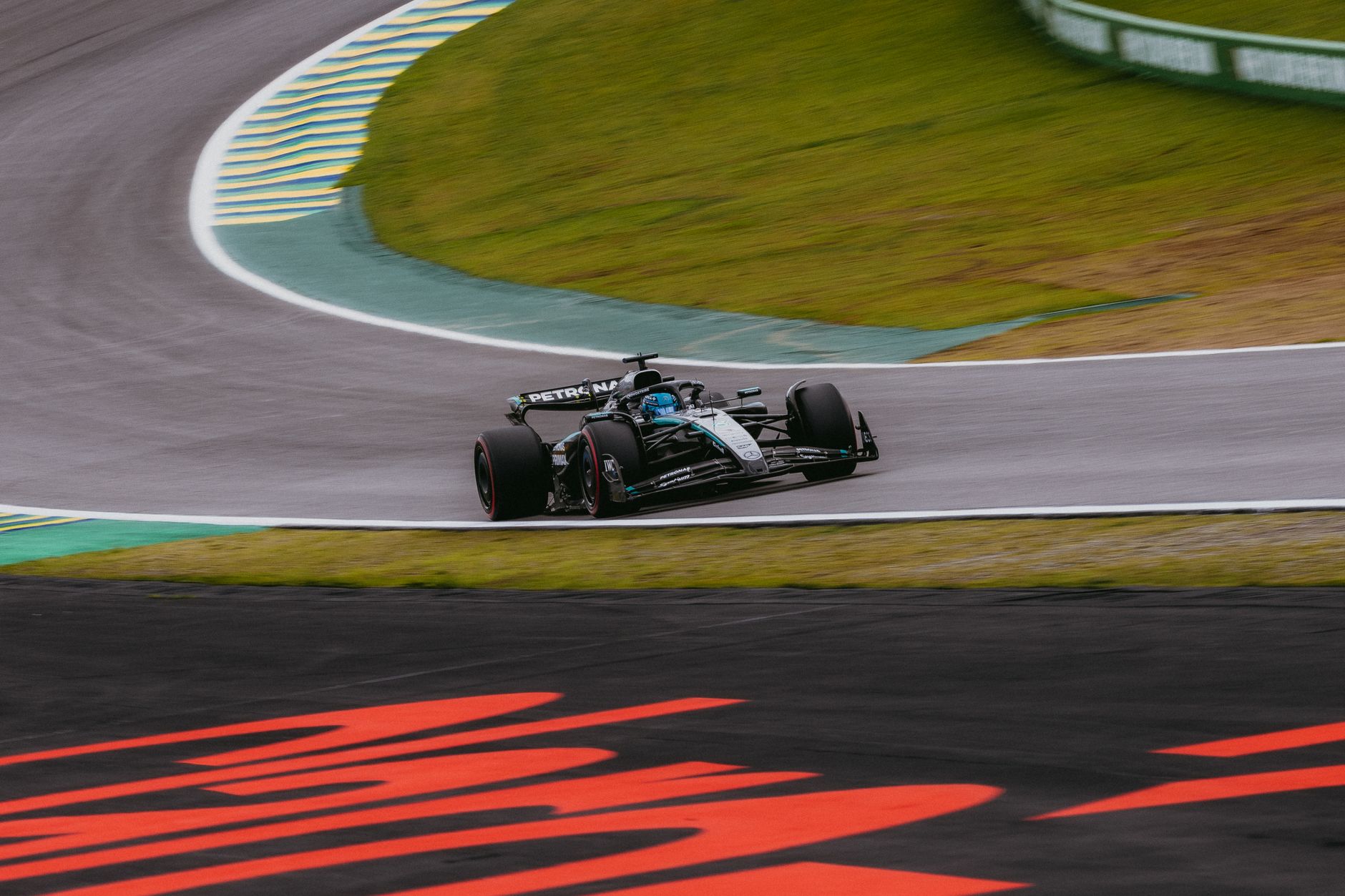
2026 F1 Sao Paulo Grand Prix: Is Rain the Worst Challenge?

The 2026 F1 Sao Paulo Grand Prix has been red-flagged due to torrential rain hitting Interlagos, creating a challenging situation for drivers and teams.

Current Weather Conditions at Interlagos

As the excitement builds for the 2026 F1 Sao Paulo Grand Prix, current weather conditions at the Interlagos circuit have taken a dramatic turn. Heavy rain has been reported, leading to a challenging environment for drivers and teams alike.

Reports indicate that the rain began shortly before qualifying, resulting in a red flag that halted the session. This torrential downpour presents several challenges:

  • Visibility: The heavy rainfall significantly reduces visibility on the track, making it difficult for drivers to navigate safely.
  • Grip Levels: Wet asphalt alters the grip levels, increasing the risk of skidding and accidents.
  • Pit Strategy: Teams must quickly adapt their strategies, deciding when to switch to wet tires to optimize performance.

As the weather continues to fluctuate, teams are on high alert, ready to react to the unpredictable conditions. The question remains: will the rain prove to be the worst challenge for competitors in this year’s 2026 F1 Sao Paulo Grand Prix? Only time will tell.

Impact of Rain on Qualifying

The impact of rain on qualifying sessions during the 2026 F1 Sao Paulo Grand Prix has been significant, leading to heightened tension among teams and drivers. As torrential rain pours down on Interlagos, the track conditions become unpredictable, challenging even the most skilled competitors.

Drivers must adapt quickly to the slippery surface, which can lead to unexpected spins and accidents. The varying levels of grip can also affect lap times, making it difficult to establish a clear competitive order. As a result, teams may have to revise their strategies, opting for different tire choices and adjusting their setups to optimize performance under wet conditions.

Moreover, the rain often leads to red flags during qualifying, as seen in the current session. This interruption not only disrupts the drivers’ momentum but also adds an element of uncertainty regarding the remaining time on the clock. Teams must stay alert and ready to capitalize on any opportunities that arise as the weather fluctuates.

  • Increased risk of accidents
  • Changes in tire strategy
  • Potential for red-flag interruptions

Driver Reactions to the Red Flag

As the torrential rain continued to pour down on Interlagos, drivers expressed their concerns and frustrations regarding the conditions at the 2026 F1 Sao Paulo Grand Prix. Several competitors took to social media and interviews to share their thoughts on the unexpected weather challenges.

  • Lewis Hamilton remarked, “It’s always tough when the weather turns like this. Safety is the priority, but it definitely shakes up the strategy.”
  • Max Verstappen noted, “I think we all know how unpredictable the rain can be. It’s a challenge, but I enjoy it. It makes for an exciting race!”
  • Charles Leclerc commented, “Red flags often mean we have to stay sharp. You can lose focus quickly, but it’s part of the sport.”

As the drivers awaited updates on when qualifying might resume, they shared a mix of anticipation and trepidation. The rain has the potential to completely alter the dynamics of the 2026 F1 Sao Paulo Grand Prix, and everyone is eager to see how it unfolds.

Historical Rain Challenges in F1

As the 2026 F1 Sao Paulo Grand Prix unfolds, historical rain challenges in Formula 1 come to the forefront, highlighting the sport’s unpredictability. Rain has often transformed races into chaotic spectacles, reshaping the strategies teams deploy and testing drivers’ skills to the limit.

In the past, the Interlagos circuit has seen its fair share of rain-induced drama. Some notable instances include:

  • 2003 Brazilian Grand Prix: A torrential downpour led to a thrilling race, where the track conditions changed rapidly, resulting in unexpected overtakes and strategic gambles.
  • 2016 Brazilian Grand Prix: Rain caused several incidents, including a dramatic crash by one of the title contenders, ultimately impacting the championship landscape.
  • 2021 Brazilian Grand Prix: A wet qualifying session saw drivers struggle for grip, leading to surprising grid positions that changed the race’s dynamics.

These historical events remind fans and teams alike that at the 2026 F1 Sao Paulo Grand Prix, rain is not merely an inconvenience; it is a formidable adversary that can redefine the course of the race.

What’s Next for the 2026 F1 Sao Paulo Grand Prix?

As the 2026 F1 Sao Paulo Grand Prix approaches, teams and drivers are now focusing on how to adapt to the unpredictable weather conditions that have already impacted qualifying. With rain continuing to pose significant challenges, strategy will be a crucial aspect of the race weekend. Teams are expected to gather data throughout the weekend to prepare for various scenarios, especially if rain persists on race day.

Looking ahead, the following elements will play a vital role:

  • Tire Selection: Teams must decide whether to opt for intermediate or full wet tires, depending on the weather forecast.
  • Race Strategy: Understanding when to make pit stops and how to manage tire wear will be essential in wet conditions.
  • Driver Confidence: Drivers must remain adaptable and confident in their ability to navigate slippery track conditions.
  • Fan Engagement: Despite the rain, teams and organizers are working to ensure that fans continue to have an exciting experience at Interlagos.

As the excitement builds, all eyes will be on the 2026 F1 Sao Paulo Grand Prix, where overcoming the rain could lead to unexpected outcomes.

Photo by Jonathan Borba on Pexels

Where this came from

RacingNews365 · 2021 São Paulo Grand Prix

Related reading

Technology Companies Insights: Proven Strategies for Investors · Israel Government Formation: The Right Choice for Herzog · A.I. Spending Fears: The Worst Impact on Global Stocks