

Unpaid challans in trucking: The Wrong Economics Explained
unpaid challans in trucking has become a controversial topic in India, raising questions about the economic implications of running up ₹35 lakh in fines.
Understanding the Trucking Mafia
The trucking industry in India has been plagued by the phenomenon of unpaid challans in trucking, which has created a unique and troubling economic environment. The so-called “trucking mafia” has emerged, taking advantage of loopholes in the system to operate with impunity. This group often accumulates substantial unpaid challans, sometimes exceeding ₹35 lakh, as a calculated risk rather than a financial burden.
Several factors contribute to this bizarre economic calculus:
- Cost of Compliance: Many trucking companies find that adhering to regulations and paying fines can be more expensive than simply ignoring them.
- Corruption: Bribes and unofficial payments can often bypass legal consequences, thus incentivizing non-compliance.
- Low Penalties: The penalties for unpaid challans are often minimal compared to the profits generated from operations.
- Market Competition: In a fiercely competitive market, companies may prioritize short-term gains over long-term compliance and reputation.
This troubling cycle underscores a broader issue within the industry, revealing a systemic disregard for accountability and regulation.
The Economic Rationale Behind Unpaid Challans
The trucking industry in India operates under a complex economic framework that often favors the accumulation of unpaid challans. This phenomenon raises questions about the rationale behind it, especially when the numbers can reach staggering amounts.
- Cost Management: Truck owners may view unpaid challans as a manageable risk, allowing them to lower operational costs in a fiercely competitive market.
- Short-Term Gains: With profit margins already slim, some operators prioritize immediate financial survival over long-term compliance, believing that unpaid challans in trucking can be offset by increased revenue from expedited deliveries.
- Corruption and Collusion: The existence of a trucking mafia that operates with leniency towards these fines further complicates the situation, enabling such practices to persist.
This intricate balancing act creates a perverse incentive structure where the cost of compliance is often deemed higher than the fines incurred. Consequently, many players in the industry continue to view unpaid challans as a necessary evil rather than a deterrent to unethical practices.
Legal Consequences of Unpaid Fines
The issue of unpaid challans in trucking carries significant legal consequences that are often overlooked by operators seeking to minimize costs. As the trucking industry grapples with rising operational expenses, many businesses might consider unpaid fines as a mere cost of doing business. However, this approach can lead to serious ramifications.
Truck operators who neglect to address these unpaid challans may face:
- License Suspensions: Repeated violations can result in the suspension of driving licenses, crippling operations.
- Vehicle Seizures: Authorities have the power to impound vehicles with outstanding fines, leading to significant downtime.
- Legal Penalties: Accumulated fines can escalate into hefty legal fees and potential court appearances.
Moreover, unpaid challans in trucking can tarnish a company’s reputation, making it difficult to secure contracts with reputable partners who prioritize compliance and safety. In the long run, the immediate financial relief from ignoring fines can culminate in a far greater economic burden, challenging the sustainability of the business.
Impact on India’s Transportation Sector
The issue of unpaid challans in trucking significantly impacts India’s transportation sector, creating a ripple effect that extends beyond individual drivers and companies. The prevalence of unpaid fines fosters an environment where compliance with traffic regulations is undermined, leading to increased road safety risks.
Moreover, the accumulation of unpaid challans can distort competition within the industry. Companies that choose to ignore these fines may gain a financial edge over those that adhere to legal protocols, creating an uneven playing field. As a result, businesses that prioritize compliance may struggle to compete, potentially driving them out of the market.
This situation also strains public resources, as enforcement agencies face the challenge of managing a growing backlog of unpaid fines. The lack of accountability can lead to decreased trust in the regulatory system, prompting calls for reform.
Ultimately, the phenomenon of unpaid challans in trucking not only jeopardizes the safety of road users but also threatens the integrity of the entire transportation ecosystem, necessitating urgent attention from policymakers and industry stakeholders.
Potential Solutions to the Problem
Addressing the issue of unpaid challans in trucking requires a multifaceted approach that combines regulatory reforms, increased accountability, and technological advancements. Here are some potential solutions to this pressing problem:
- Enhanced Regulatory Framework: Governments need to establish clearer guidelines and stricter penalties for repeated violations. This could deter trucking companies from ignoring fines.
- Incentives for Compliance: Offering tax breaks or financial incentives for companies that maintain a clean record could encourage adherence to traffic laws.
- Technology Integration: Implementing GPS tracking and electronic toll collection systems can improve transparency in operations and reduce the chances of incurring unpaid challans.
- Public Awareness Campaigns: Educating drivers and trucking companies about the long-term economic benefits of complying with traffic regulations can shift attitudes towards unpaid fines.
- Collaboration with Industry Stakeholders: Engaging with trucking associations and other stakeholders to create a unified approach can lead to more effective solutions.
By adopting these strategies, stakeholders can work together to combat the issue of unpaid challans in trucking and foster a more responsible transportation sector.
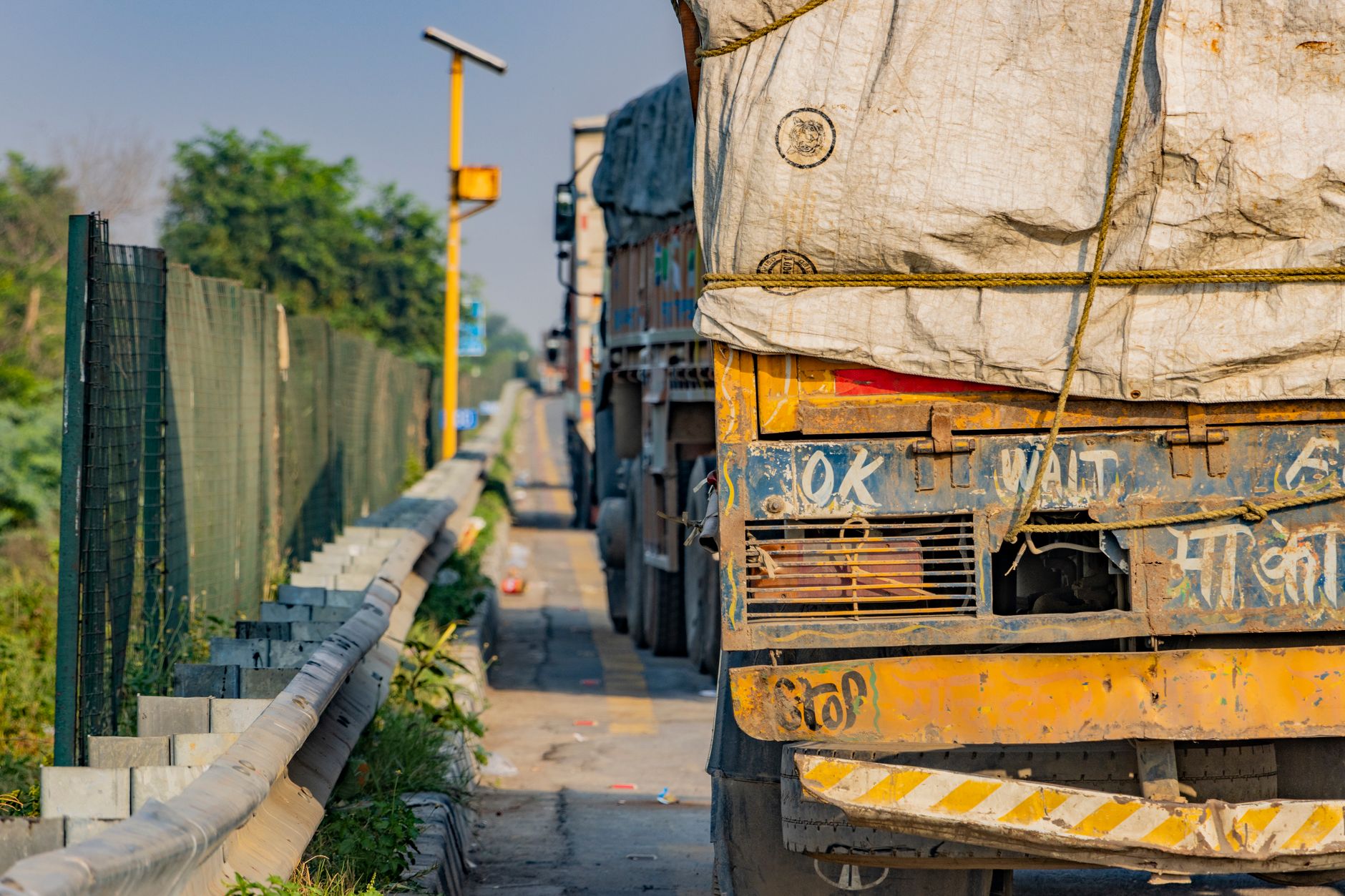
Photo by Shantum Singh on Pexels