
Telangana intermediate colleges: Smart move to 10+2 system

Telangana intermediate colleges are being scrapped as the state transitions to a 10+2 system in regular schools. This significant change aims to enhance the educational framework.

Overview of the 10+2 System

The Telangana government has announced a significant shift in its educational framework by implementing a 10+2 system in regular schools, which will lead to the scrapping of intermediate colleges. This move aims to streamline the educational process for students and enhance their learning experience.

Under the new system, students will complete their secondary education (10th grade) and directly transition into higher secondary education (11th and 12th grades) within the same school, thereby reducing the need for separate intermediate colleges. This approach is expected to:

  • Provide a more cohesive learning environment.
  • Allow for better resource allocation within schools.
  • Encourage a stronger sense of community among students and educators.

This decision reflects a broader trend in educational reform, aiming to improve outcomes and make the transition to higher education smoother for students in Telangana.

Reasons for Scrapping Intermediate Colleges

The decision to scrap intermediate colleges in Telangana and transition to a 10+2 system has sparked significant discussion among educators and parents alike. Several compelling reasons underpin this shift:

  • Streamlined Education: The integration of the 10+2 system into regular schools promotes a more cohesive learning experience for students, eliminating the divide between secondary and higher secondary education.
  • Enhanced Resource Allocation: Resources can be better utilized in regular schools, allowing for improved infrastructure and teaching quality.
  • Reduced Pressure: This system aims to alleviate the academic pressure on students, offering a more balanced approach to education.
  • Access and Equity: By implementing the 10+2 system, the government hopes to make quality education more accessible to all students, particularly in rural areas.

These factors contribute to the growing support for the new educational framework in Telangana intermediate colleges.

Impact on Students and Parents

The recent decision to implement the 10+2 system in Telangana has significant implications for students and parents. This transition aims to streamline education and enhance the overall learning experience.

Students will benefit from a more cohesive curriculum that integrates secondary education with higher secondary schooling. This shift is expected to:

  • Reduce confusion regarding course selections and examination patterns.
  • Encourage holistic development by offering a structured environment for academic and extracurricular activities.
  • Facilitate smoother transitions to higher education for students moving from schools to universities.

For parents, the move to the 10+2 system means less worry about the quality of education provided by Telangana intermediate colleges. The focus will now be on regular schools, ensuring that all students receive a comparable education.

Overall, this reform is seen as a step towards improving educational standards in the state.

Government’s Plan for Implementation

The Telangana government has announced a comprehensive plan for the implementation of the new 10+2 system, aiming to enhance the educational landscape in the region. This initiative will lead to the scrapping of intermediate colleges, which have been a traditional part of the academic framework.

Key elements of the government’s plan include:

  • Curriculum Development: The education department will devise a streamlined curriculum that aligns with the 10+2 format, ensuring students receive a cohesive learning experience.
  • Training for Educators: Teachers in Telangana intermediate colleges will undergo specialized training to adapt to the new system, focusing on modern pedagogical techniques.
  • Infrastructure Upgrades: Existing schools will be equipped with necessary resources and facilities to accommodate the increased number of students transitioning to the 10+2 system.

This strategic move aims to provide a more integrated approach to education, ultimately benefiting students and enhancing educational quality across Telangana.

Comparative Analysis with Other States

The decision to transition to a 10+2 system in Telangana intermediate colleges has sparked interest in how it compares to similar reforms in other states. Many states have successfully implemented this system, leading to enhanced educational outcomes.

In states like Maharashtra and Tamil Nadu, the 10+2 framework has streamlined the educational process, allowing for a more cohesive learning experience. The following points highlight the comparative advantages:

  • Integrated Curriculum: A unified curriculum reduces the fragmentation of subjects.
  • Increased Focus: Students can concentrate on core subjects without the distractions of multiple examinations.
  • Better College Readiness: The 10+2 system aligns more closely with the demands of higher education.
  • Enhanced Accessibility: This model improves access to quality education, particularly in rural areas.

Overall, adopting a similar approach may position Telangana’s students for greater success in their academic and professional futures.

Challenges Ahead for the New System

As Telangana embarks on the transition to the 10+2 system, several challenges loom on the horizon that may impact the smooth implementation of this educational reform. One significant concern is the readiness of regular schools to accommodate the influx of students from intermediate colleges, which may strain resources and infrastructure.

Additionally, there is the question of teacher training and curriculum alignment. Schools must ensure that educators are well-equipped to deliver the new syllabus effectively. This transition also necessitates a robust assessment system to evaluate student performance consistently across the board.

  • Resource Allocation: Ensuring adequate facilities and materials.
  • Training Programs: Preparing teachers for the new curriculum.
  • Student Support: Providing guidance for students adapting to the new system.

Ultimately, the success of the 10+2 system in Telangana intermediate colleges will depend on addressing these challenges proactively.

Expert Opinions on the Change

Experts have shared varied opinions on the shift to the 10+2 system in Telangana, particularly regarding its impact on intermediate colleges. Dr. Ravi Kumar, an education policy analyst, stated, “This transition is a smart move that aligns with national education trends. It aims to enhance the quality of education and reduce the burden on students.”

However, Ms. Anjali Reddy, a principal of a reputed intermediate college, expressed concern: “The scrapping of intermediate colleges may lead to a loss of specialized learning opportunities, which are crucial at this stage.”

Additionally, Mr. Suresh Jain, a parent and education advocate, emphasized, “It’s vital that the government ensures adequate resources and training for teachers in this new system to truly benefit students.”

Overall, the move has sparked a lively debate among stakeholders in Telangana’s education sector.

Future of Education in Telangana

The transition to a 10+2 system in Telangana is poised to reshape the future of education in the state. With the decision to scrap intermediate colleges, the government aims to create a more streamlined and effective educational framework. This shift is expected to enhance the learning experience for students by integrating their intermediate education into regular schools.

In this new structure, students will benefit from a cohesive curriculum that promotes a smoother transition to higher education. The 10+2 system is designed to foster a more holistic approach, encouraging critical thinking and creativity among learners.

Moreover, the integration of intermediate colleges into the school system allows for better resource allocation and improved infrastructure. Teachers will receive specialized training to adapt to this new format, ensuring quality education for all students transitioning through the Telangana intermediate colleges framework.

  • Enhanced learning environment
  • Streamlined educational processes
  • Improved teacher training

The transition to the 10+2 system is a significant step for Telangana intermediate colleges. By adopting this model, Telangana intermediate colleges aim to enhance the educational experience for students across the state.

Photo by Kiran Pokuri Photography on Pexels

Read the original

India Today

Related stories

Mississippi’s first Black senator is a Historic Achievement · India Visa Rules Made Simple: Discover the New Changes · Huawei New Smartphone: Best Launch Date and Features Revealed

Census 2027 Schedule: The Easy Way to Prepare for Enumeration

Census 2027 schedule is crucial for everyone as it outlines the timeline for population enumeration. The government has announced that self-enumeration will begin on January 10, making it easier for citizens to participate.

Overview of Census 2027

The Census 2027 schedule has been officially announced by the government, marking a significant step in the preparation for the upcoming population enumeration. This census aims to gather vital demographic data, which will inform public policy and resource allocation for the next decade.

Key details about the Census 2027 schedule include:

  • Self-enumeration start date: January 10, 2027
  • Enumeration period: The overall enumeration will continue for several weeks, ensuring comprehensive data collection.
  • Public awareness campaigns: Initiatives will be launched to educate citizens about the importance of participation.

By understanding the Census 2027 schedule, individuals can prepare adequately for participation, ensuring that their voices are heard and counted in this crucial national exercise.

Importance of Population Enumeration

The upcoming Census 2027 schedule is crucial for various reasons that extend beyond mere numbers. Accurate population enumeration helps in:

  • Resource Allocation: Governments rely on census data to distribute funds effectively for public services, infrastructure, and development projects.
  • Policy Making: Accurate demographic information informs policymakers about the needs of different communities, guiding decisions that impact education, healthcare, and social services.
  • Representation: Population counts determine the allocation of seats in legislative bodies, ensuring fair representation in government.
  • Research and Planning: Researchers and businesses use census data to analyze trends and make informed decisions for future growth and development.

Ultimately, participating in the Census 2027 is vital for ensuring that every individual is counted, thereby shaping the future of communities across the nation.

How to Self-Enumerate

As the Census 2027 schedule approaches, it is essential for citizens to understand the self-enumeration process. Self-enumeration allows individuals to report their household information conveniently, ensuring accurate data collection.

Here are some key steps to prepare for self-enumeration:

  • Gather Necessary Information: Collect details such as names, ages, and relationships of everyone living in your household.
  • Check Your Eligibility: Ensure you are eligible to participate in the census during the self-enumeration phase starting January 10.
  • Utilize Online Resources: Familiarize yourself with the online platform that will facilitate the self-enumeration process.
  • Stay Informed: Keep abreast of updates related to the Census 2027 schedule through official channels.

Being prepared will contribute to a smoother enumeration process for everyone involved.

Key Dates for Census 2027

The Census 2027 schedule has been officially announced, providing a clear timeline for the upcoming population enumeration. Key dates to remember include:

  • January 10, 2027: Self-enumeration begins, allowing residents to fill out their census forms online or via mail.
  • February 1, 2027: In-person enumeration starts, with trained census workers visiting households that have not yet completed their forms.
  • March 15, 2027: Deadline for all census forms to be submitted, ensuring that everyone is counted.
  • April 30, 2027: Official end date for the enumeration period.

Staying informed about the Census 2027 schedule is crucial for ensuring accurate population data and effective resource allocation in communities.

Government’s Role in Census

The government plays a crucial role in the successful execution of the Census 2027 schedule. From planning to implementation, various agencies are involved to ensure accurate population enumeration. Their responsibilities include:

  • Setting guidelines for data collection and ensuring compliance with privacy regulations.
  • Training enumerators to effectively engage with the public and gather necessary information.
  • Disseminating information about the census process to educate citizens on how to self-enumerate.
  • Utilizing technology to streamline the data collection process, making it easier for individuals to participate.

Moreover, the government emphasizes the importance of public cooperation, as the data collected will play a vital role in resource allocation and policy-making for the coming decade. Engaging with communities is essential for a successful Census 2027.

What to Expect During Enumeration

As the Census 2027 schedule approaches, it is essential to understand what to expect during the enumeration process. This nationwide initiative aims to gather accurate population data, which will be vital for resource allocation and policy-making.

During enumeration, residents will be visited by trained census enumerators who will collect information regarding household composition and demographics. It is crucial for participants to provide honest and accurate responses to ensure a successful count.

To help residents prepare, here are a few tips:

  • Stay Informed: Familiarize yourself with the Census 2027 schedule and key dates.
  • Gather Documents: Have necessary identification and records ready for the enumerators.
  • Understand Your Rights: Know that your information will be kept confidential.

By following these guidelines, you can contribute to a smooth enumeration process during Census 2027.

Tips for a Smooth Census Experience

Preparing for the Census 2027 schedule can significantly enhance your enumeration experience. Here are some useful tips to ensure a smooth process:

  • Stay Informed: Regularly check official updates from the government regarding the Census 2027 schedule to avoid any last-minute surprises.
  • Gather Necessary Information: Have all relevant details ready, such as household members’ names, ages, and relationship to you.
  • Practice Self-Enumeration: Familiarize yourself with the self-enumeration process to make it easier when the time comes.
  • Be Available: Ensure that all household members are present during the enumeration period to provide accurate information.
  • Ask Questions: Don’t hesitate to reach out to census officials if you have any uncertainties or need assistance.

By following these tips, you can make the most of your Census 2027 experience.

Sources

You might also like

Municipal elections Leh Kargil: Clear path to civic engagement

municipal elections Leh Kargil are on the horizon, with the CEO announcing the polls set for November 21. This development encourages active civic engagement in the region.

Overview of Municipal Elections

The upcoming municipal elections in Leh Kargil mark a significant step towards enhancing civic engagement in the region. The Chief Electoral Officer (CEO) of Ladakh has officially announced that the polls will take place on November 21, aiming to empower local governance through the election of representatives at the municipal level.

These elections are crucial as they provide residents with a platform to voice their concerns and priorities, ensuring that local issues are addressed effectively. Voters will have the opportunity to elect members who will be responsible for key areas such as infrastructure, sanitation, and community development.

In preparation for the elections, the CEO has outlined several important aspects:

  • Voter Awareness: Campaigns are being launched to educate citizens about the voting process.
  • Candidate Nomination: Guidelines for candidates have been established to ensure a fair competition.
  • Logistical Arrangements: Measures are in place to facilitate a smooth electoral process on the polling day.

The municipal elections in Leh Kargil represent an opportunity for residents to actively participate in shaping their local governance and community future.

Significance of Leh and Kargil

The municipal elections in Leh and Kargil hold significant importance for the region’s governance and civic engagement. These elections are not merely a procedural step; they represent a pivotal moment for citizens to voice their concerns and aspirations. With local representatives elected, the communities can ensure that their specific needs and cultural values are respected and prioritized.

Leh and Kargil, known for their unique demographic and cultural diversity, require tailored solutions to their challenges. The participation of residents in the municipal elections will empower them to influence decisions that directly affect their daily lives. It allows for a more democratic approach to tackling issues such as infrastructure, education, and healthcare.

Moreover, the elections signify a shift towards self-governance, enabling local populations to take charge of their futures. Engaging in the municipal elections in Leh and Kargil is a crucial step towards fostering a sense of community and responsibility among citizens.

  • Empowerment: Local governance enhances the voice of the people.
  • Representation: Ensures diverse perspectives in decision-making.
  • Community Development: Focus on local issues and solutions.

Voter Participation in Ladakh

The upcoming municipal elections in Leh Kargil are poised to enhance voter participation in the region. With the recent announcement by the Ladakh Chief Electoral Officer about the elections scheduled for November 21, many residents are eager to engage in the democratic process.

Voter engagement is crucial, as it empowers communities to voice their concerns and influence local governance. The state has witnessed a rising interest in civic duties, with various initiatives aimed at educating citizens about the importance of their vote.

Several factors contribute to the anticipated high turnout:

  • Awareness Campaigns: Local organizations and government bodies are actively promoting the significance of voting.
  • Accessibility: Efforts are being made to ensure polling stations are easily reachable for all citizens.
  • Community Mobilization: Engaging youth and marginalized groups has become a focus to ensure everyone’s voice is heard.

As the date approaches, the collective enthusiasm for participating in the municipal elections Leh Kargil reflects a growing commitment to civic engagement in the region.

Election Process Explained

The election process for the upcoming municipal elections in Leh and Kargil has been clearly outlined by the Chief Electoral Officer (CEO) of Ladakh. The polls are scheduled for November 21, and the procedure aims to ensure transparency and fairness for all participants.

Eligible voters will have the opportunity to cast their ballots for various local representatives, including councilors and mayors. Here are the key steps involved in the election process:

  • Voter Registration: Voters must ensure their names are included in the electoral rolls. Registration can be done online or at designated offices.
  • Campaigning: Candidates will engage in campaigning to communicate their vision and objectives to the public, fostering civic engagement.
  • Polling Day: On November 21, voters will head to their respective polling stations to cast their votes. It is essential to carry valid identification.
  • Counting of Votes: After the polls close, counting will commence, and results are expected to be announced shortly thereafter.

This structured approach aims to enhance civic engagement and ensure that the municipal elections in Leh and Kargil reflect the true will of the people.

Timeline for Election Preparations

The timeline for the upcoming municipal elections in Leh and Kargil has been meticulously outlined by the Chief Electoral Officer (CEO) of Ladakh. This timeline is crucial for ensuring a smooth electoral process and fostering civic engagement among the residents.

Key dates to note include:

  • Nomination Period: Candidates can file their nominations from October 25 to November 1, providing a window for aspiring representatives to step forward.
  • Scrutiny of Nominations: The scrutiny process will take place on November 2, allowing for transparency and the verification of candidates’ eligibility.
  • Withdrawal of Candidature: Candidates have until November 4 to withdraw their nominations, ensuring that only serious candidates remain in the race.
  • Polling Day: The crucial day of voting is set for November 21, where residents of Leh and Kargil will have the opportunity to exercise their democratic rights.

This timeline is pivotal for the municipal elections Leh Kargil, as it sets the stage for an engaged and informed electorate.

Impact on Local Governance

The upcoming municipal elections in Leh Kargil are poised to significantly impact local governance in the region. With the elections scheduled for November 21, residents are eager to witness how their participation will shape the future of their communities.

Effective local governance is essential for addressing the unique challenges faced by the diverse populations in Leh and Kargil. The newly elected representatives will have the power to implement policies that directly affect daily life, including:

  • Infrastructure Development: Improving roads, sanitation, and public transportation.
  • Resource Management: Ensuring sustainable use of natural resources.
  • Community Services: Enhancing healthcare, education, and recreational facilities.

Moreover, these municipal elections in Leh Kargil will foster a deeper sense of civic engagement among the residents. As citizens become more involved in local governance, they will have the opportunity to voice their concerns and contribute to decision-making processes that directly affect their lives. This increased engagement is crucial for the democratic health of the region and will empower individuals to take an active role in shaping their communities.

The municipal elections Leh Kargil have sparked a renewed interest in local governance among residents. As candidates present their visions, the municipal elections Leh Kargil offer a clear path to civic engagement for the community.

Read the original

More on this site

3M India Director Resignation: Clear Impact on Business

3M India director resignation has raised eyebrows among investors and industry analysts. The recent announcement highlights changes within the company’s leadership structure.

Overview of 3M India’s Recent Changes

3M India has recently experienced significant changes with the announcement of the resignation of its Non-Executive Non-Independent Director. This move raises various questions about the company’s future direction and leadership stability. The resignation comes at a pivotal time as 3M India navigates challenges in the market and strives to maintain its competitive edge.

Industry analysts believe that the departure may lead to shifts in corporate governance and strategic planning. Stakeholders are particularly keen to understand how the resignation will impact ongoing projects and operational efficiency. The board’s response to this transition will be crucial in reassuring investors and employees alike.

As the company adjusts to this change, it remains to be seen how 3M India will address potential ramifications on its business model and stakeholder confidence. The resignation of the Non-Executive Non-Independent Director marks a notable moment in the company’s journey.

Implications of the Director’s Resignation

The recent resignation of a Non-Executive Non-Independent Director at 3M India has raised several questions regarding the company’s future direction and stability. This significant change in leadership is expected to have various implications for the organization and its stakeholders.

Firstly, the absence of experienced leadership may lead to delays in decision-making processes, impacting ongoing projects and strategic initiatives. Additionally, the resignation could create uncertainty among investors, potentially affecting stock prices and market confidence.

Moreover, this shift may prompt a reevaluation of the company’s governance structure and operational strategies. As 3M India navigates this transition, it will need to focus on maintaining its competitive edge in the market and ensuring that its business objectives continue to align with stakeholder expectations.

  • Impact on investor confidence: Potential fluctuations in stock prices.
  • Operational delays: Possible hindrance in project timelines.
  • Governance review: Necessity to reassess leadership roles.

Ultimately, the implications of the director’s resignation will be closely monitored as 3M India moves forward.

Market Reaction to Leadership Changes

The recent resignation of a 3M India director has triggered notable reactions in the market, reflecting investor sentiment and concern over potential disruptions in leadership. Following the announcement, shares of 3M India experienced a significant fluctuation, with many investors reassessing their positions.

Market analysts have pointed out several factors influencing the reaction:

  • Leadership Stability: Investors often seek assurance in management continuity, and the resignation could raise questions about the company’s strategic direction.
  • Future Plans: Uncertainty surrounding upcoming projects and innovations may impact investor confidence, leading to cautious trading.
  • Competitive Position: The leadership change may affect 3M India’s standing in a highly competitive market, prompting stakeholders to reconsider their outlook.

As the situation unfolds, market participants will be closely monitoring how the company addresses the leadership void and its broader implications for business performance.

Future Outlook for 3M India

The resignation of a Non-Executive Non-Independent Director at 3M India raises questions about the company’s future direction and strategic initiatives. Stakeholders are keenly observing how this leadership change will impact ongoing projects and employee morale.

Analysts suggest that the company may need to expedite its search for a suitable replacement to maintain stability and confidence among investors. The absence of experienced leadership can create a gap in decision-making processes, potentially affecting operational efficiency.

Furthermore, 3M India’s commitment to innovation and sustainability might experience some disruption during this transitional period. The company must communicate effectively with its workforce and stakeholders to reassure them of its vision moving forward.

In summary, the recent director resignation at 3M India could have significant implications for its long-term strategy, making it essential for the company to navigate this change proactively.

Expert Opinions on the Resignation

Industry experts have weighed in on the recent 3M India director resignation, highlighting the potential ramifications for the company’s strategic direction. Many analysts express concerns that the departure of a key figure may disrupt ongoing projects and initiatives.

  • Dr. Anjali Mehta, a market analyst, stated, “Leadership transitions can often lead to uncertainty, especially in a company like 3M India that thrives on innovation.”
  • Rajiv Singh, a business consultant, noted, “The board’s composition is critical in steering the company forward, and this resignation could open doors for new perspectives or cause delays.”
  • Sonia Kapoor, an economist, emphasized, “Investors will be watching closely how 3M India addresses this gap and whether it can maintain its competitive edge.”

The consensus among experts is that proactive measures will be essential to mitigate any adverse effects stemming from the director’s exit.

The recent 3M India director resignation has raised concerns among stakeholders regarding the company’s future direction. Analysts predict that the 3M India director resignation could lead to shifts in strategic priorities that may affect overall performance.

References

Business Upturn

You might also like

Starlink slowdown: Is it the worst decision for Ukraine? · Punjab CM Bhagwant Mann Faces Airport Delay: A Clear Concern · Direct-to-Patient Strategy: Proven Insights for Pharma Leaders

Punjab CM Bhagwant Mann Faces Airport Delay: A Clear Concern

Punjab CM Bhagwant Mann was reportedly stopped at the airport for three hours, raising concerns about the Centre’s arrogance. This incident has sparked significant political debate and criticism.

What Happened to Punjab CM Bhagwant Mann?

Punjab CM Bhagwant Mann faced significant delays at the airport recently, sparking concerns over the treatment of state leaders. According to reports, Mann was held up for approximately three hours, a situation that has drawn criticism from his party, the Aam Aadmi Party (AAP).

The incident occurred when Mann arrived at the airport for his scheduled travel. AAP officials allege that the delay was a result of “Centre’s arrogance” towards state leaders, igniting a debate about the relationship between the Punjab government and the central authorities. This situation has raised eyebrows among political observers.

In response to the incident, AAP spokespersons emphasized the need for respectful treatment of elected officials and called for an end to such delays, which they argue undermine the dignity of the office. They asserted that such experiences reflect a broader issue concerning the governance and autonomy of states within India.

The party’s reaction highlights ongoing tensions between state and central governments, especially in the context of regional politics. Observers are now questioning how such incidents might impact the operational dynamics between Punjab CM Bhagwant Mann and the central administration moving forward.

Reactions to the Airport Incident

Reactions to the recent airport incident involving Punjab CM Bhagwant Mann have been swift and varied. Many political leaders and party members have expressed their concerns regarding the treatment of the Chief Minister during his travel. The Aam Aadmi Party (AAP), of which Mann is a prominent member, has claimed that he was stopped at the airport for over three hours, citing this as an example of the central government’s alleged arrogance.

Supporters of Mann have taken to social media to voice their outrage, with hashtags trending in favor of the Chief Minister. They argue that such delays are unacceptable for a leader and reflect poorly on the government’s respect for state representatives. Delhi Chief Minister Arvind Kejriwal was among the first to respond, stating that this incident raises questions about the treatment of elected officials and the need for a more respectful political environment.

Additionally, several opposition parties have rallied behind Mann, emphasizing the importance of unity against what they describe as “political harassment.” As discussions continue, many are calling for an investigation into the circumstances surrounding the delay, insisting that no elected official should face such treatment while performing their duties.

Implications for AAP and Punjab Politics

The recent airport delay faced by Punjab CM Bhagwant Mann has sparked significant discussions regarding its implications for the Aam Aadmi Party (AAP) and Punjab politics as a whole. The incident not only raises questions about the treatment of state leaders but also highlights the ongoing tension between the AAP government in Punjab and the central authorities.

Political analysts suggest that such delays could further strain relations between the Punjab government and the Centre, potentially impacting AAP’s standing in the state. The party has already been vocal about what they describe as the “Centre’s arrogance,” and this incident may serve to rally support among their base who feel similarly marginalized.

Furthermore, the reaction from various political figures indicates a growing solidarity within opposition ranks. Key points to consider include:

  • Public Perception: The incident may influence public sentiment towards both the AAP and the Centre.
  • Political Strategy: AAP may capitalize on this situation to reinforce their narrative of fighting for state rights.
  • Future Relations: This event could shape future interactions between Punjab’s leadership and central authorities.

As the political landscape evolves, the implications of this airport delay remain to be seen, with many eyes on CM Bhagwant Mann and his next moves.

Public Opinion on Centre’s Actions

The recent incident involving Punjab CM Bhagwant Mann being delayed at the airport has sparked significant public discourse regarding the actions of the central government. Many citizens express concern over what they perceive as a growing pattern of disrespect towards state leaders.

Various groups and individuals have taken to social media to voice their opinions, with some highlighting the need for greater cooperation between the Centre and state governments. A common sentiment among the public is that such actions undermine the democratic process and serve only to escalate tensions.

  • Support for Mann: Many supporters of the Aam Aadmi Party (AAP) believe that the incident reflects a broader issue of central government overreach.
  • Calls for Accountability: Citizens are demanding accountability from the Centre, urging them to respect the autonomy of state governments.
  • Political Ramifications: Analysts suggest that this incident may influence public perception of the Centre’s governance, particularly in Punjab.

In light of these reactions, the situation raises questions about the future relationship between Punjab CM Bhagwant Mann and the federal government, as well as the potential impact on upcoming elections.

Future of Punjab CM Mann’s Leadership

The recent airport delay experienced by Punjab CM Bhagwant Mann has raised questions about his leadership and its future. This incident not only highlights the growing tensions between the state and central governments but also poses potential challenges for Mann’s administration moving forward. As the chief minister of Punjab, Mann’s ability to navigate such political hurdles will be critical in maintaining public confidence.

Many political analysts believe that the airport incident could serve as a litmus test for Mann’s effectiveness as a leader. It emphasizes the importance of strong governance in a state that has faced multiple challenges in recent years. If Mann can respond effectively to this situation, it may enhance his reputation both within the Aam Aadmi Party (AAP) and among the electorate.

Furthermore, the manner in which Mann and his party address this incident could influence public perception and support. Key factors that could shape the future of Punjab CM Bhagwant Mann’s leadership include:

  • His ability to rally support from party members and the public.
  • Strategies to mitigate tensions with the central government.
  • Focus on governance and development initiatives in Punjab.

Ultimately, the forthcoming actions taken by Mann will be crucial in determining his political trajectory and the stability of his administration.

The delay encountered by Punjab CM Bhagwant Mann at the airport has raised questions about the efficiency of travel protocols in the region. Many are calling for improvements to ensure that Punjab CM Bhagwant Mann can carry out his duties without unnecessary interruptions.

Where this came from

Hindustan Times

More on this site

Direct-to-Patient Strategy: Proven Insights for Pharma Leaders · Marco Rubio India Visit: Proven Insights and Key Talks · AI Vitamin Deficiency Discovery Saves Woman’s Life

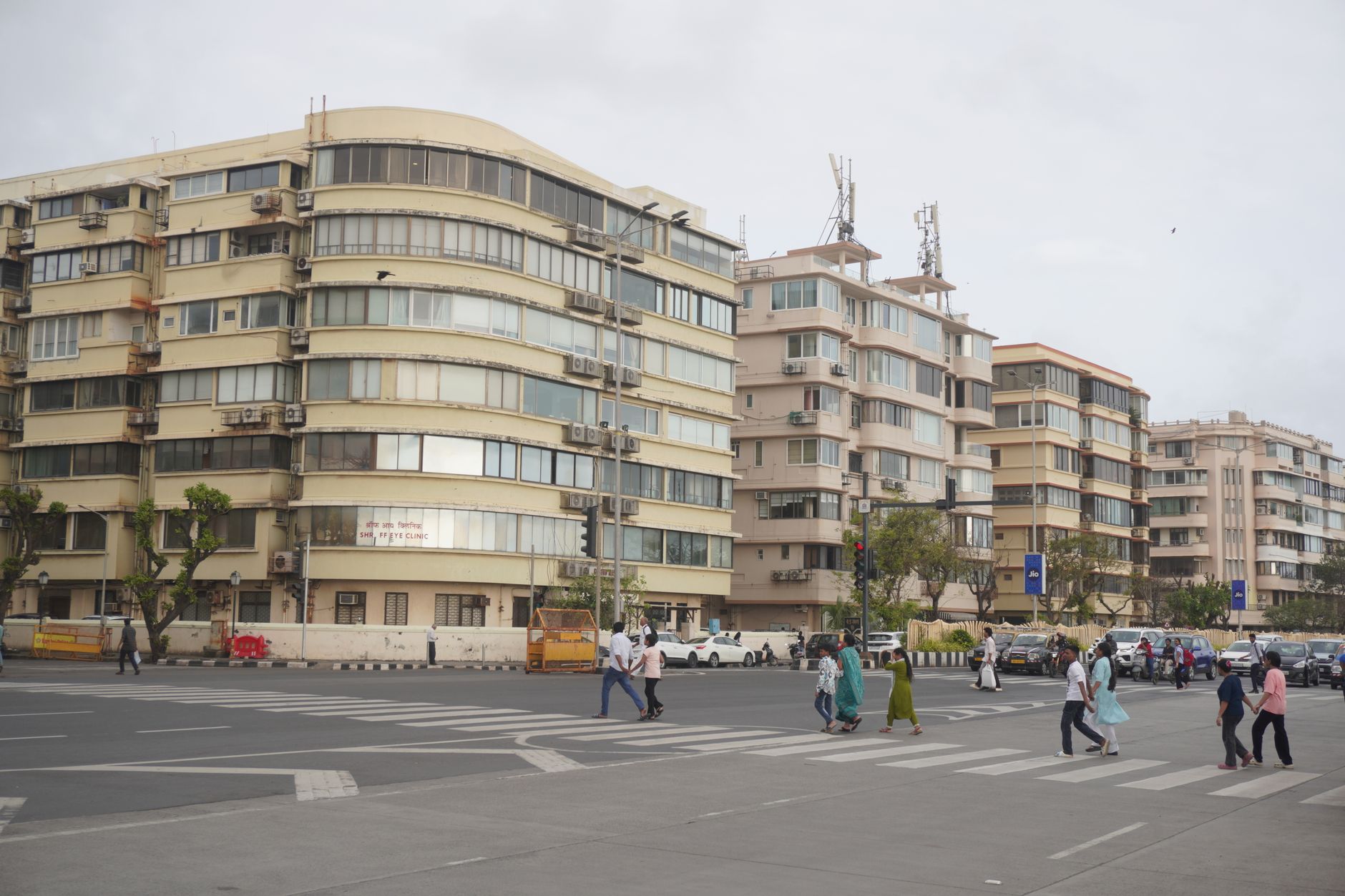
Mumbai air quality: What makes it the worst in India?

Mumbai air quality is dangerously low, making it the worst in India. Various factors contribute to this alarming situation, affecting the health of millions.

Current Air Quality Status in Mumbai

The current air quality status in Mumbai has raised significant concerns among residents and health experts alike. As the city grapples with severe pollution levels, it has been reported that Mumbai air quality is among the worst in India.

Recent data indicates that the air quality index (AQI) often exceeds safe limits, posing serious health risks. Factors contributing to this alarming situation include:

  • Vehicular Emissions: The dense traffic in Mumbai leads to high emissions of nitrogen oxides and particulate matter.
  • Construction Activities: Ongoing construction projects generate dust and other pollutants, worsening air quality.
  • Industrial Pollution: Nearby industrial zones release toxic pollutants that drift into the city.
  • Seasonal Factors: During winter months, weather patterns trap pollutants close to the ground, exacerbating the situation.

Health officials warn that prolonged exposure to poor air quality can lead to respiratory issues, cardiovascular diseases, and other serious health concerns. Residents are encouraged to monitor air quality reports and take necessary precautions to safeguard their health.

Efforts to improve Mumbai air quality are underway, but immediate action is crucial to protect the city’s population.

Health Impacts of Poor Air Quality

The deteriorating Mumbai air quality poses significant health risks to its residents. Prolonged exposure to high levels of air pollution can lead to various health complications, particularly affecting vulnerable populations such as children, the elderly, and those with pre-existing conditions.

Health impacts associated with poor air quality in Mumbai include:

  • Respiratory Problems: Increased incidence of asthma, bronchitis, and other respiratory conditions.
  • Cardiovascular Issues: Higher rates of heart attacks and strokes linked to air pollution exposure.
  • Neurological Effects: Emerging studies suggest a connection between air pollution and cognitive decline, potentially increasing the risk of diseases like Alzheimer’s.
  • Adverse Pregnancy Outcomes: Pregnant women exposed to polluted air are at risk of low birth weight and preterm births.

Moreover, the psychological effects of living in a polluted environment cannot be overlooked. Chronic exposure to air pollutants can lead to increased stress and anxiety levels among residents. As Mumbai grapples with its status as having the worst air quality in India, addressing these health concerns becomes paramount for safeguarding the well-being of its population.

Government Measures to Combat Pollution

The government has recognized the alarming state of Mumbai air quality and is taking steps to address the issue. Several initiatives have been launched to combat pollution levels that have made the city one of the worst in India.

Among the measures implemented are:

  • Monitoring and Reporting: Authorities have increased air quality monitoring stations across the city to provide real-time data on pollution levels.
  • Emission Control: Stricter regulations are being enforced on industrial emissions and construction activities, which are significant contributors to air pollution.
  • Public Transport Improvements: Investments in public transport systems aim to reduce vehicular emissions by encouraging residents to use buses and trains instead of personal vehicles.
  • Awareness Campaigns: The government is launching campaigns to educate citizens about the impacts of pollution and ways to reduce their carbon footprint.
  • Green Initiatives: Initiatives such as planting trees and creating green spaces are being promoted to enhance urban biodiversity and improve air quality.

Despite these efforts, the effectiveness of such measures remains to be seen, as Mumbai continues to struggle with its air quality challenges.

Public Awareness and Action Steps

The alarming state of Mumbai air quality has sparked public concern and awareness regarding the city’s pollution crisis. Citizens are increasingly recognizing the need for individual and collective action to combat the deteriorating air conditions.

To effectively address this issue, residents are encouraged to adopt several proactive measures:

  • Monitoring Air Quality: Utilize apps and websites that provide real-time air quality updates to stay informed about pollution levels.
  • Reducing Vehicle Use: Opt for public transportation, carpooling, or cycling to decrease vehicular emissions that contribute to air pollution.
  • Advocating for Green Spaces: Support initiatives that promote the creation and maintenance of parks and green areas, which can help improve air quality.
  • Engaging in Community Clean-Up Drives: Participate in local campaigns aimed at cleaning up neighborhoods, reducing waste, and promoting recycling efforts.
  • Educating Others: Share information about the impacts of poor air quality and the importance of environmental responsibility with friends and family.

By taking these steps, individuals can contribute to improving the overall air quality in Mumbai and foster a healthier environment for everyone.

Mumbai air quality has been a growing concern due to increasing vehicular emissions and industrial pollution. The combination of these factors makes Mumbai air quality the worst in India, affecting the health of its residents.

Photo by Sphotoedit on Pexels

Where this came from

Related reading

Elephant Tramples Man: Worst Incident in Recent Memory

Elephant tramples man in a shocking event that has left the community in mourning. The incident raises concerns about human-wildlife interactions in the area.

Details of the Incident

In a tragic incident that has shocked the local community, an elephant tramples a man to death during a routine visit to a wildlife sanctuary. The event took place early in the morning when the victim, identified as a 34-year-old local resident, ventured too close to the animal’s enclosure. Eyewitnesses report that the elephant, startled by the sudden presence of the man, reacted aggressively.

Authorities have confirmed that the man sustained severe injuries before being pronounced dead at the scene. The sanctuary staff has expressed their condolences to the family and emphasized the importance of maintaining a safe distance from wild animals.

Local wildlife experts have raised concerns regarding human-elephant interactions in the area, advocating for better education on safety measures. They urge visitors to respect the boundaries set to protect both animals and humans. This incident marks the worst of its kind in recent memory, reminding us of the inherent risks involved in wildlife tourism.

Community Reaction to the Tragedy

The tragic incident involving an elephant trampling a man has left the local community in shock and mourning. Residents expressed their disbelief and sorrow over the loss of life, emphasizing the need for greater awareness of wildlife interactions.

Many community members gathered to share their memories of the victim, describing him as a kind and gentle soul who had a deep respect for nature. Local leaders have called for emergency meetings to discuss safety measures and to prevent similar incidents in the future.

In response to the tragedy, a local wildlife organization has organized educational sessions aimed at teaching the community about the behavior of elephants and how to coexist safely with them. The organization’s spokesperson stated, “This incident should serve as a wake-up call for everyone. We need to understand these animals better to avoid future conflicts.”

As the community grieves, many are also advocating for improved fencing and barriers in areas where human-elephant interactions are more frequent, hoping to prevent another incident of an elephant trampling a man.

Understanding Elephant Behavior

Understanding elephant behavior is crucial, especially in light of tragic incidents such as the one where an elephant tramples a man to death. Elephants are complex animals with intricate social structures and emotional lives. They experience a range of feelings, including joy, grief, and anger, which can lead to unpredictable behavior, particularly when they feel threatened.

There are several factors that can influence an elephant’s actions:

  • Territoriality: Elephants are known to protect their territory and may react aggressively if they perceive an intrusion.
  • Stress: Environmental changes, such as habitat loss or human encroachment, can lead to stress, resulting in erratic behavior.
  • Mother-Child Dynamics: A mother elephant with a calf is more likely to exhibit aggression if she feels her young are in danger.
  • Human Interaction: Past negative experiences with humans can lead to a lack of trust and increased aggression.

Understanding these factors is essential for preventing future tragedies and promoting peaceful coexistence between humans and elephants.

Preventing Future Encounters

In light of the tragic event where an elephant tramples a man, it is crucial to discuss preventive measures that can minimize future encounters between humans and elephants. Experts emphasize the importance of community awareness and education regarding elephant behavior and habitats.

To reduce the risk of dangerous interactions, several strategies can be implemented:

  • Public Awareness Campaigns: Informing local populations about the signs of elephant presence and how to respond can help avoid dangerous encounters.
  • Safe Corridors: Establishing wildlife corridors that keep elephants away from populated areas can significantly reduce human-elephant conflicts.
  • Monitoring and Tracking: Using technology to track elephant movements allows communities to be alerted when elephants are nearby, enabling better preparedness.
  • Community Engagement: Involving local communities in conservation efforts fosters a sense of responsibility and encourages peaceful coexistence.

By focusing on these strategies, communities can work towards preventing incidents similar to the unfortunate event where an elephant tramples a man, ensuring safer environments for both humans and wildlife.

The tragic event has raised concerns about safety in areas where humans and wildlife intersect, especially after the incident where an elephant tramples man. Witnesses described the scene as chaotic, highlighting the need for better measures to prevent such occurrences in the future.

By Xuan Che via Openverse

References

The Times of India

Related stories

Juice spacecraft views offer clear insights into Earth and Moon · Russia’s Powerful Blow: The Worst Impact on Ukraine Yet · Tennessee execution attempt: Christa Pike in critical condition