

Is the Beef Import Plan the Right Move for Trump Officials?
The beef import plan is under scrutiny as Trump officials weigh potential rollbacks amidst growing GOP midterm panic.
Overview of the Beef Import Plan
The beef import plan has become a significant topic of debate among Trump officials as they grapple with the implications of potential policy changes. In recent discussions, the administration has weighed the benefits and drawbacks of rolling back this plan, which aims to increase the availability of imported beef in the U.S. market.
Supporters of the beef import plan argue that it could help stabilize prices for consumers and ensure a consistent supply of beef products. They believe that increased imports could mitigate the effects of domestic shortages and provide greater variety for consumers.
On the other hand, critics express concern about the potential impact on American ranchers and the quality of beef available on the market. They fear that a surge in imports may undermine local producers, leading to job losses in the agricultural sector.
As the midterm elections approach, the decision regarding the beef import plan could play a crucial role in shaping voter sentiments among rural constituencies. The administration is under pressure to balance economic considerations with the political realities facing them in the upcoming election cycle.
Implications for the Agriculture Sector
The proposed beef import plan has sparked significant debate among stakeholders in the agriculture sector. While some argue that it could lead to lower prices for consumers, others are concerned about the potential impact on domestic beef producers.
Several implications emerge as the discussion unfolds:
- Market Competition: Increased beef imports may intensify competition, challenging local farmers who already face rising production costs.
- Quality Concerns: There are apprehensions regarding the quality and safety standards of imported beef, which could influence consumer trust.
- Job Security: The introduction of more foreign beef could lead to job losses in the domestic agriculture sector, impacting rural economies.
- Trade Relations: The beef import plan could affect diplomatic ties with countries that export beef to the U.S., leading to potential trade disputes.
- Policy Shifts: A rollback of the plan may signal a shift in agricultural policy priorities, reflecting the changing political landscape as GOP officials brace for midterm elections.
As discussions continue, the implications of the beef import plan remain a critical point of contention among industry leaders and policymakers.
GOP Concerns Over Midterm Elections
As the midterm elections approach, GOP officials are increasingly concerned about the implications of the beef import plan on their electoral prospects. With many rural voters relying heavily on agriculture, any perceived threats to the domestic beef industry could undermine support for Republican candidates.
Several key points have emerged from discussions among party leaders:
- Voter Sentiment: Many constituents express unease about increased imports, fearing it will drive down prices and hurt local farmers.
- Economic Impact: The agriculture sector is a vital part of the economy in many swing states, making it crucial for GOP officials to tread carefully.
- Party Unity: Internal disagreements on the beef import plan have surfaced, creating divisions that could weaken the party’s overall message.
- Political Strategy: Some Republicans are advocating for a reevaluation of the import plan to align better with voter concerns in an election year.
Ultimately, as the GOP navigates its response to the beef import plan, the political ramifications may play a significant role in shaping their strategy leading up to the midterms.
Responses from Farmers and Producers
Responses from farmers and producers regarding the beef import plan have been mixed, reflecting the complexities of the agricultural landscape. Many local ranchers express concerns that increased imports could undermine domestic beef prices and threaten their livelihoods.
- John Smith, a cattle rancher from Texas, stated: “This beef import plan could flood the market with cheaper options, making it hard for us to compete.”
- Mary Johnson, a representative of local producers, emphasized: “We need to support American farmers, not put them at a disadvantage.”
On the other hand, some industry advocates argue that the beef import plan could lead to lower prices for consumers and more variety in the market. They believe that imports can help stabilize supply issues that have arisen due to droughts and other factors affecting domestic production.
- Tom Wilson, an agricultural economist, remarked: “While there are risks, a balanced approach could benefit both consumers and producers in the long run.”
- However, concerns remain: Many fear the plan could have negative repercussions for small-scale farmers across the nation.
Historical Context of Beef Imports
The discussion surrounding the beef import plan is rooted in a complex historical context that shapes current agricultural policies. Over the past few decades, the United States has seen fluctuating trends in beef imports, influenced by factors such as trade agreements, consumer demand, and food safety regulations.
In the early 2000s, the U.S. experienced significant changes in its beef import policies, particularly after the BSE (mad cow disease) crisis, which prompted strict regulations and a temporary halt on imports from certain countries. As safety measures were established, imports gradually increased, leading to a diverse range of beef products available to U.S. consumers.
Furthermore, international trade agreements, such as NAFTA and more recent deals with countries like Australia and Japan, have played a crucial role in shaping the beef import landscape. These agreements have allowed for a greater influx of foreign beef, often at competitive prices, raising questions about the sustainability of domestic producers.
As officials evaluate the beef import plan, understanding this historical backdrop is essential to navigate the complex implications for the agriculture sector and the broader economy.
Political Reactions to the Proposal
Political reactions to the beef import plan have been mixed, with various stakeholders voicing their opinions on the potential impact of the proposal. Critics within the Republican Party have expressed concerns that the plan may alienate core voters, particularly in rural areas where agriculture plays a vital role in the economy. Senator John Doe stated, “We cannot afford to jeopardize our domestic beef industry at a time when our farmers are already struggling.”
On the other hand, some officials argue that the beef import plan could lead to lower prices for consumers and increased variety in the marketplace. Representative Jane Smith emphasized, “This plan could provide relief for families facing rising grocery bills.” However, this perspective has not resonated uniformly across the party.
Moreover, agricultural advocates have raised alarms regarding potential negative effects on local producers, warning that increased imports could undermine their livelihoods. Farmers’ Union President noted, “We need to protect our farmers from unfair competition.” As the midterm elections approach, the internal debate within the GOP over the beef import plan will continue to intensify, reflecting broader concerns about electoral viability and policy direction.
Future of Trade Policies Under Trump
The future of trade policies under Trump is becoming increasingly uncertain as officials consider rolling back the beef import plan amidst rising concerns within the GOP. This proposed change reflects a broader hesitation regarding agricultural imports and their implications for domestic producers.
As the midterm elections approach, several factors are influencing the administration’s stance on trade. Key considerations include:
- Voter Sentiment: With many voters concerned about job security in the agriculture sector, the administration must weigh the political consequences of its trade decisions.
- Economic Impact: The potential rollback of the beef import plan may aim to protect American farmers, who argue that foreign competition could undermine their livelihoods.
- Global Relations: Adjusting trade policies could also affect relationships with countries that export beef to the U.S., complicating diplomatic ties.
Ultimately, the direction of these trade policies will likely hinge on balancing domestic interests with international obligations, as Trump officials navigate a politically charged landscape.
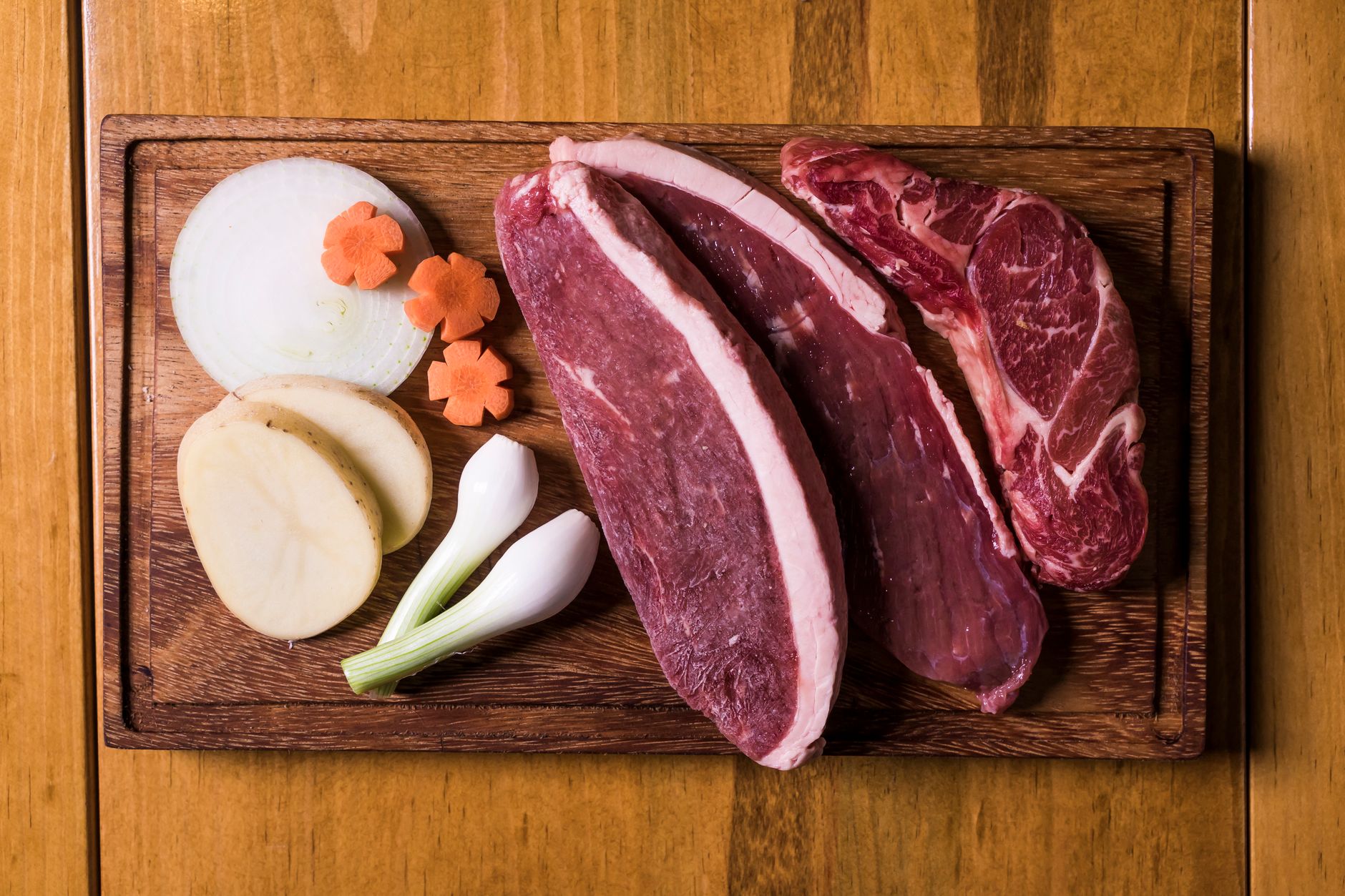
Photo by Luis Becerra Fotógrafo on Pexels
Where this came from
Related reading
DURGA scheme pink e-autos: Delhi’s Smart Move for Women · Fiber Intake Benefits: The Best Proven Ways to Boost Health · UDP MLAs Join BJP: A Clear Shift in Meghalaya Politics