
California Flood Resilience: Proven Strategies for Safety

California flood resilience is increasingly important as climate change intensifies weather patterns. This article explores the state’s efforts to secure safety against flooding.

Understanding California’s Flood Risks

California faces a unique set of challenges when it comes to flood risks, exacerbated by climate change and shifting weather patterns. The state’s diverse geography, ranging from coastal areas to mountain regions, contributes to varying flood vulnerabilities.

Understanding these risks is essential for enhancing flood resilience. Key factors affecting California’s flood risk include:

  • Increased rainfall: Climate change has led to more intense and frequent storms, increasing the likelihood of flooding in many regions.
  • Sea-level rise: Coastal communities are particularly vulnerable as rising seas threaten to inundate low-lying areas.
  • Urban development: The expansion of urban areas often reduces natural drainage, increasing runoff and flood potential.
  • Wildfires: Recent wildfire seasons have stripped vegetation from hillsides, making areas more susceptible to mudslides and flash floods during heavy rains.

Proactive measures, such as improved infrastructure, better land-use planning, and community education, are vital to address these risks. As California continues to develop its flood resilience strategies, understanding these underlying risks remains a priority for state officials and citizens alike.

The Impact of Climate Change on Flooding

Climate change has significantly impacted the frequency and intensity of flooding events in California. As temperatures rise, the state faces increased precipitation, leading to more severe storms and rapid snowmelt, which can overwhelm existing flood management systems.

In recent years, California has witnessed a series of catastrophic flooding incidents that highlight the urgency of enhancing flood resilience. These events not only threaten lives but also disrupt local economies and strain infrastructure.

Experts warn that without effective intervention, the risks associated with flooding will only escalate. Key factors influenced by climate change include:

  • Increased Rainfall: Studies indicate that heavy rainfall events are becoming more common, leading to higher runoff and flash flooding.
  • Sea Level Rise: Coastal areas are particularly vulnerable as rising seas contribute to more frequent and severe tidal flooding.
  • Wildfire Aftermath: Burned landscapes are less able to absorb water, which increases the likelihood of mudslides and debris flows during storms.

To combat these challenges, California is investing in innovative flood resilience strategies that prioritize sustainability and community safety.

Political Challenges in Flood Management

The journey toward enhancing California’s flood resilience is fraught with political challenges that complicate effective flood management. As the state grapples with the increasing severity of climate-induced flooding, policymakers face a complex landscape of competing interests and priorities.

Key challenges include:

  • Funding Allocation: Limited state and federal resources create fierce competition for funding among various environmental projects, often sidelining essential flood management initiatives.
  • Regulatory Hurdles: The intricate web of local, state, and federal regulations can delay or impede the implementation of critical infrastructure improvements necessary for flood resilience.
  • Community Engagement: Diverse stakeholder interests, particularly in vulnerable communities, can lead to conflicts that hinder consensus on flood management strategies.

Furthermore, political polarization can stymie collaborative efforts required for comprehensive flood resilience planning. As debates continue over resource allocation and policy direction, it is crucial for lawmakers to bridge divides and prioritize the safety of California residents. A unified approach that addresses both environmental and community needs is essential for building a robust flood management strategy that can withstand future challenges.

Community Efforts for Flood Preparedness

In response to the increasing threat of flooding, California communities are spearheading various initiatives aimed at enhancing flood resilience. Local organizations and government agencies are collaborating to develop comprehensive flood preparedness plans that address both immediate needs and long-term sustainability.

Key efforts include:

  • Public Education: Workshops and community meetings are being organized to inform residents about flood risks and preparedness strategies.
  • Infrastructure Improvements: Investments are being made in upgrading stormwater systems and creating green spaces that can absorb excess rainwater.
  • Volunteer Programs: Community members are encouraged to participate in local clean-up efforts and assist in the maintenance of flood mitigation structures.
  • Partnerships with Nonprofits: Local nonprofits are partnering with governments to provide resources and training for emergency response teams.

These community-driven efforts not only enhance California’s flood resilience but also foster a sense of unity and preparedness among residents. By taking proactive measures, communities are better equipped to face the challenges posed by climate change and its impact on flooding.

Innovative Flood Resilience Strategies

As California faces increasing threats from climate change and extreme weather, innovative flood resilience strategies have emerged as essential tools for safeguarding communities. These strategies focus on enhancing infrastructure and creating sustainable systems that can better withstand flooding.

Some of the most effective approaches include:

  • Green Infrastructure: Implementing natural systems, such as wetlands and rain gardens, helps absorb excess rainfall and reduce runoff.
  • Floodplain Restoration: Revitalizing floodplains allows rivers to overflow naturally, minimizing the impact on nearby urban areas.
  • Advanced Forecasting Technology: Utilizing cutting-edge meteorological tools enhances early warning systems, giving communities more time to prepare for incoming storms.
  • Community Engagement: Involving local residents in planning and preparedness efforts ensures that strategies are tailored to specific needs and risks.
  • Investment in Infrastructure: Upgrading levees, storm drains, and other critical infrastructure ensures they can handle increased flooding scenarios.

By adopting these innovative flood resilience strategies, California can improve its ability to respond to flooding while fostering a culture of safety and preparedness among its residents.

Case Studies of Successful Mitigations

California has implemented several successful flood resilience strategies that serve as case studies for other regions facing similar challenges. These initiatives highlight the state’s commitment to enhancing safety and preparedness amid increasing climate threats.

  • The Central Valley Project: This extensive network of reservoirs and levees has been instrumental in managing water flow and reducing flood risks. The project’s upgrades have improved its capacity to handle extreme weather events.
  • Los Angeles River Revitalization: By restoring natural habitats and creating green spaces along the river, this initiative has not only bolstered flood management but also enhanced community quality of life. It serves as a model for integrating environmental and urban planning.
  • Santa Ana River Basin: Innovative flood control measures, including the construction of recharge basins, have increased the area’s ability to absorb heavy rainfall while also replenishing groundwater supplies.

These case studies demonstrate that through collaboration, investment, and innovative approaches, California is making significant strides in flood resilience. As the state continues to face the challenges of climate change, these successful mitigations will serve as crucial blueprints for future efforts.

Government Support for Flood Safety

Government support plays a crucial role in enhancing California’s flood resilience. Various state and federal programs have been established to address the growing challenges posed by climate change and increasing flood risks.

In recent years, funding has been allocated to improve infrastructure, including levees, dams, and drainage systems, which are vital for preventing flood damage. The state has initiated partnerships with local governments and non-profit organizations to implement effective flood management strategies. This collaboration ensures that resources are utilized efficiently to safeguard communities.

Key initiatives include:

  • Grants for Local Projects: Financial support for municipalities to develop localized flood prevention strategies.
  • Technical Assistance: Offering expertise in planning and executing flood resilience measures.
  • Public Awareness Campaigns: Educating residents about flood risks and preparedness options.

Furthermore, the state has recognized the importance of integrating climate adaptation into all levels of planning. By prioritizing flood resilience in policy-making, California aims to build a safer future for its residents, ensuring that communities can withstand the challenges posed by severe weather events.

Future Outlook for California’s Flood Resilience

As California faces increasing threats from extreme weather patterns, the future outlook for the state’s flood resilience hinges on adaptive strategies and community involvement. Experts emphasize the necessity of integrating advanced technology with traditional flood management practices to enhance safety and preparedness.

Key areas of focus include:

  • Infrastructure Investment: Upgrading existing levees and stormwater systems to withstand severe flooding is crucial. This includes using innovative materials and techniques that improve durability.
  • Environmental Restoration: Revitalizing wetlands and waterways can serve as natural buffers against flooding, absorbing excess water and reducing runoff.
  • Community Engagement: Local organizations play a vital role in educating residents about flood risks and preparedness. Continued outreach initiatives are essential for building resilience at the grassroots level.
  • Policy Frameworks: Policymakers must prioritize flood resilience in urban planning, ensuring that new developments consider flood risks and incorporate sustainable practices.

With proactive measures and collaborative efforts, California can enhance its flood resilience, safeguarding communities against future climate-related challenges. The journey ahead requires commitment and innovation to secure a safer environment for all residents.

Investing in infrastructure improvements is crucial for enhancing California flood resilience. Communities across the state are adopting innovative practices to ensure long-term safety and sustainability in the face of increasing flood risks.

References

Mirage News

More on this site

High Tides Flooding: The Worst Impact on SoCal Communities · Motorola Razr Flex 27: The Best Affordable Foldable Phone · Mbappe apology reaction: China’s serious stance on comments
High Tides Flooding: The Worst Impact on SoCal Communities

high tides flooding has become a pressing issue for coastal communities in Southern California. As peak tides rise, residents face significant challenges and disruptions in their daily lives.

Understanding High Tides and Their Effects

As coastal communities in Southern California brace for peak high tides, understanding the phenomenon and its implications becomes crucial. High tides occur when the gravitational forces of the moon and sun align in a way that amplifies ocean levels. This natural occurrence can significantly impact coastal regions, especially during storm surges or heavy rainfall.

Residents in affected areas are beginning to witness the effects of high tides flooding, as ocean waters encroach upon streets and homes. The combination of rising sea levels and increased rainfall exacerbates the situation, leading to more frequent and severe flooding events.

Some key factors contributing to high tides and their effects include:

  • Geography: Coastal topography can influence how high tides impact specific areas, with some regions more susceptible to flooding than others.
  • Climate Change: Rising global temperatures have led to increased sea levels, making high tides more impactful for coastal communities.
  • Storm Surges: Severe weather events can elevate tide levels even further, resulting in widespread flooding.

As communities navigate the challenges posed by high tides flooding, preparedness and awareness become essential for mitigating damage and ensuring public safety.

Recent Flooding Incidents in SoCal

Recent flooding incidents in Southern California have raised alarm among residents and local authorities. With peak high tides flooding coastal communities, the impact has been felt far and wide, disrupting daily life and damaging property. These incidents have become increasingly common as climate change intensifies coastal conditions.

Several areas have reported significant flooding, leading to emergency responses and road closures. Key locations affected include:

  • Santa Monica: Streets were submerged, making it difficult for vehicles to navigate.
  • Venice Beach: Residents witnessed seawater encroaching on homes, prompting urgent evacuations.
  • Long Beach: Local businesses faced extensive damage as high tides flooded storefronts.

The flooding has not only caused physical damage but has also raised concerns about public safety. Emergency services have been working tirelessly to assist those impacted, while also addressing the potential for further incidents as forecasts predict continued high tides.

Local officials are urging residents to stay informed about tide schedules and to take precautions as high tides flooding could become a more frequent issue. With climate patterns shifting, the threat to coastal communities remains a pressing concern.

Community Responses to Flooding

In response to the recent surge in high tides flooding, Southern California communities are mobilizing to address the challenges posed by rising waters. Local governments and organizations are implementing a variety of strategies to mitigate the effects on residents and infrastructure.

Many coastal cities have initiated emergency response plans, including:

  • Sandbag Distribution: Communities are providing free sandbags to residents, helping them fortify their properties against potential flooding.
  • Public Awareness Campaigns: Local authorities are launching campaigns to educate residents on the risks associated with high tides and flooding, encouraging preparedness.
  • Infrastructure Improvements: Cities are investing in upgrading drainage systems and seawalls to better handle extreme weather events.

Volunteers have also played a crucial role, with many residents coming together to assist in cleanup efforts after flooding incidents. Community members have expressed solidarity, showcasing their determination to support one another during these challenging times.

As the threat of high tides flooding persists, ongoing collaboration between local governments, organizations, and residents will be essential in fostering resilience and ensuring the safety of vulnerable communities along the coast.

Preventative Measures for Coastal Areas

As communities in Southern California continue to grapple with the effects of high tides flooding, local officials and residents are implementing various preventative measures to mitigate future risks. These strategies aim to enhance resilience against the increasingly frequent and severe flooding events.

One effective approach is the installation of sea walls and barriers along vulnerable coastlines. These structures help to absorb and deflect incoming waves, reducing the impact of high tides on residential and commercial properties. Additionally, many coastal cities are exploring the option of natural solutions, such as restoring wetlands and dunes, which can act as buffers against storm surges and rising waters.

Community engagement plays a vital role in these initiatives. Local governments are organizing educational programs to inform residents about the risks associated with high tides flooding and the importance of preparedness. Workshops focus on emergency planning, encouraging families to develop evacuation plans and assemble disaster supply kits.

Moreover, cities are investing in drainage improvements to ensure stormwater can effectively flow away from populated areas. By enhancing infrastructure and fostering a culture of awareness and preparedness, Southern California communities aim to protect themselves from the devastating effects of high tides flooding in the future.

Future Predictions for Sea Level Rise

As sea levels continue to rise due to climate change, the threat of high tides flooding in Southern California is expected to worsen in the coming years. Experts predict that by 2050, coastal communities could experience significantly increased flooding during peak high tides, resulting in more frequent and severe impacts on infrastructure and local ecosystems.

According to a recent study by climate scientists, several factors contribute to the rising sea levels:

  • Melting ice caps: The accelerated melting of glaciers and polar ice sheets adds substantial volumes of water to the oceans.
  • Thermal expansion: As global temperatures rise, ocean waters expand, further increasing sea levels.
  • Land subsidence: Some regions are sinking due to groundwater extraction and natural geological processes, exacerbating the effects of rising seas.

In light of these predictions, SoCal communities are urged to reassess their flood preparedness plans. This includes enhancing coastal defenses, implementing sustainable land-use policies, and investing in innovative infrastructure solutions designed to withstand future high tides flooding events.

Failure to act could lead to devastating consequences for residents and businesses alike, making it imperative for local governments to prioritize adaptive measures in the face of this looming challenge.

Read the original

ABC7 Los Angeles

More on this site

Motorola Razr Flex 27: The Best Affordable Foldable Phone · Mbappe apology reaction: China’s serious stance on comments · CID Record Breaking Episode: The Boldest TV Experiment Revealed

NASA wildfire weather study: Proven insights into fire clouds

NASA wildfire weather study is exploring the unique weather phenomena created by wildfires, particularly the formation of ‘fire clouds’. This project aims to understand the implications of these changes on our environment.

What are fire clouds?

Fire clouds, also known as pyrocumulus clouds, are a fascinating meteorological phenomenon often formed during intense wildfire activity. These clouds emerge when heat from the flames causes moisture in the air to rise rapidly, creating towering clouds that can influence local weather patterns significantly.

According to recent findings from the NASA wildfire weather study, fire clouds can produce lightning and even precipitation, which can, in turn, exacerbate or mitigate wildfires. These clouds are typically characterized by their dark appearance and can stretch high into the atmosphere, sometimes reaching altitudes of over 20,000 feet.

Understanding fire clouds is essential for predicting their impact on the environment, as they can lead to dangerous weather phenomena such as fire-induced thunderstorms, complicating firefighting efforts and posing risks to nearby communities.

How wildfires impact weather

Wildfires are not only destructive forces on the ground but also significantly influence weather patterns. As wildfires burn, they release vast amounts of smoke and heat, leading to the formation of unique weather phenomena known as fire clouds. These clouds can alter local atmospheric conditions, affecting temperature, humidity, and even precipitation. NASA’s wildfire weather study aims to understand these complex interactions by analyzing how fire clouds can modify weather systems.

Researchers have found that fire clouds can create powerful updrafts, which may lead to the development of thunderstorms, sometimes resulting in increased rainfall. However, this rainfall can also be erratic and unpredictable. The implications of these findings are crucial, as understanding how wildfires impact weather is essential for improving forecasting and response strategies during fire events.

Through advanced satellite technology, scientists are gaining valuable insights into these dynamics, ultimately helping to mitigate the consequences of wildfires.

The science behind fire clouds

The recent NASA wildfire weather study has unveiled the complex interactions between wildfires and the atmosphere. Fire clouds, formed by intense heat from wildfires, play a crucial role in influencing local weather patterns. These clouds can lead to the development of thunderstorms, affecting precipitation and wind conditions.

Researchers have identified several key characteristics of fire clouds:

  • Formation: Fire clouds develop when rising smoke and heat create updrafts that cool and condense moisture in the air.
  • Impact on Weather: They can produce lightning, which may ignite new fires, and alter rainfall distribution.
  • Climate Feedback: The interaction between fire clouds and weather can contribute to broader climate changes.

Understanding these dynamics is essential for improving predictive models and enhancing wildfire management strategies.

NASA’s research objectives

NASA’s research objectives focus on understanding the complex interactions between wildfires and weather phenomena. The NASA wildfire weather study aims to uncover how fire clouds form and influence atmospheric conditions. By utilizing advanced satellite technology and airborne instruments, researchers seek to collect comprehensive data on the behavior of fire clouds and their effects on local and regional weather patterns.

Key objectives of the study include:

  • Identifying the formation mechanisms of fire clouds.
  • Assessing how these clouds alter precipitation patterns.
  • Examining the impact of smoke and pollutants on air quality.
  • Determining the relationship between wildfire intensity and atmospheric changes.

Through this research, NASA hopes to improve predictive models and enhance understanding of wildfire dynamics in the context of climate change.

Implications for climate change

The implications of the NASA wildfire weather study extend far beyond immediate fire management. As wildfires become more frequent and intense due to climate change, understanding their impact on weather patterns is crucial. The interactions between fire clouds and atmospheric conditions can exacerbate existing climate issues, potentially leading to more severe weather events.

Moreover, the insights gained from studying these phenomena may aid in predicting and mitigating the effects of wildfires on air quality and health. As fire clouds can influence rainfall and temperature, policymakers and environmentalists may need to adjust strategies for disaster preparedness and resource allocation.

In essence, the findings from NASA’s research not only enhance our understanding of fire clouds but also provide critical data that could inform climate action and adaptation efforts in an era of increasing environmental uncertainty.

Public safety and wildfire weather

The NASA wildfire weather study highlights the crucial connection between fire behavior and public safety. As wildfires become increasingly prevalent, understanding the weather phenomena they create is essential to protect communities and ecosystems.

Fire clouds, often formed by intense heat and smoke, can significantly alter local weather patterns, leading to conditions that exacerbate fire spread. This can pose serious risks to nearby populations and emergency responders. The study aims to provide valuable insights that can guide evacuation plans and firefighting strategies.

Experts emphasize the importance of real-time data collection and analysis to forecast the behavior of fire clouds and their potential impacts. By enhancing predictive models, the NASA wildfire weather study seeks to improve preparedness and response efforts, ultimately reducing the devastating effects of wildfires on human lives and property.

  • Enhancing public safety through better forecasting
  • Guiding evacuation and firefighting strategies
  • Reducing risks associated with fire clouds

Expert opinions on the findings

Experts in meteorology and environmental science have weighed in on the recent NASA wildfire weather study, emphasizing its groundbreaking implications. Dr. Emily Tran, a leading climatologist, stated, “This research sheds light on the complex interactions between wildfires and atmospheric conditions, revealing how fire clouds can influence local weather patterns.”

Furthermore, Dr. James Kline, a wildfire management specialist, noted, “Understanding these dynamics is crucial for predicting fire behavior and improving our response strategies.” Experts agree that the study’s findings could enhance forecasting models, ultimately aiding in disaster preparedness.

Dr. Sarah Liu, an atmospheric scientist, added, “The insights from NASA’s work can help inform policies aimed at mitigating the impacts of wildfires on communities and ecosystems.” As wildfires become increasingly frequent, the need for such research is more pressing than ever.

Future of wildfire research

The future of wildfire research is poised for significant advancements, particularly through initiatives like the NASA wildfire weather study. As scientists delve deeper into the complex interactions between wildfires and atmospheric conditions, new technologies and methodologies will enhance our understanding of these phenomena.

Researchers are likely to focus on:

  • Enhanced satellite monitoring: Utilizing advanced satellite systems to track fire clouds and weather patterns in real-time.
  • Predictive modeling: Developing more accurate models to forecast wildfire behavior and its ensuing weather effects.
  • Interdisciplinary collaboration: Engaging with climatologists, meteorologists, and ecologists to form a holistic view of wildfire impacts.
  • Public engagement: Increasing awareness and education efforts regarding the implications of wildfire weather on communities.

These efforts will not only improve safety measures but also contribute to long-term climate resilience strategies.

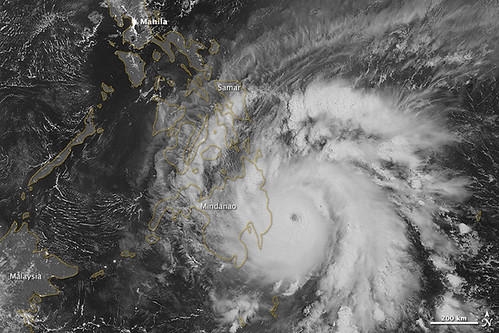
The NASA wildfire weather study has revealed critical patterns in how fire clouds form and behave during extreme weather events. These findings from the NASA wildfire weather study are essential for improving predictive models for future wildfires.

By NASA Goddard Photo and Video via Openverse

Sources

NBC News

You might also like

Congress demands more seats: Is it the right move? · M31-V1 star: The Best Proven Discovery in Astronomy · Operation Vivaldi: Is This the Best Move for Donbas?