The totka prank has emerged as an innovative way to discourage shortcut-loving pedestrians in Delhi. This unique approach has sparked conversations about pedestrian behavior and urban navigation.
Understanding the Totka Prank
In a unique approach to addressing the issue of shortcut takers, a Delhi man has devised an innovative method known as the totka prank. This prank aims to deter pedestrians from using unauthorized paths by creating a humorous yet thought-provoking experience. The idea is simple: the man sets up a fictional scenario that plays on the superstitions and beliefs of passersby, making them reconsider their choices.
Through the use of props and clever storytelling, he effectively engages with the community, prompting them to think twice before opting for shortcuts that may not be safe or appropriate. The prank has gained traction on social media, drawing attention to the broader issue of urban navigation and pedestrian safety.
Residents have responded with mixed reactions, with some finding amusement in the prank while others appreciate its underlying message. Overall, the totka prank serves as a creative reminder of the importance of adhering to designated pathways.
Impact on Pedestrian Behavior
The recent implementation of the totka prank by a Delhi man has sparked a conversation about pedestrian behavior in urban areas. By cleverly using this prank, he aimed to deter shortcut-takers from using unsafe or unauthorized paths.
The prank involved creating an illusion that crossing through a certain area would lead to misfortune or inconvenience. This unconventional approach has had a noticeable impact on how pedestrians choose their routes. Many individuals reported feeling more cautious when considering shortcuts after witnessing or hearing about the prank.
Feedback from the community has been mixed:
Positive reactions: Some pedestrians appreciate the creativity and agree that it makes them think twice.
Negative reactions: Others feel it is misleading and could cause unnecessary fear.
Overall, the totka prank has succeeded in drawing attention to the importance of following designated pathways for safety while igniting discussions about pedestrian responsibility.
Community Reactions to the Prank
The recent totka prank executed by a Delhi man has sparked varied reactions within the community. Many locals have expressed their support for this creative approach to deter shortcut takers. “It’s a clever way to address a common issue,” said a resident. “People often ignore pedestrian pathways, and this prank serves as a wake-up call.”
However, not everyone is on board with the prank. Some critics argue that it could lead to confusion or even accidents, particularly for those unfamiliar with the area. “While the intention is good, the execution might cause more harm than good,” cautioned a local safety advocate.
On social media, opinions are equally divided. Supporters have applauded the man for his ingenuity, while others have labeled the totka prank as irresponsible. “We need to find better ways to encourage safe walking, not just pranks,” wrote one user.
Ultimately, the totka prank has ignited a broader conversation about pedestrian safety and urban planning in Delhi.
Urban Navigation Challenges in Delhi
Urban navigation in Delhi often presents unique challenges for pedestrians. The city, known for its bustling streets and heavy traffic, can be difficult to navigate, especially for those who frequently take shortcuts. Many pedestrians opt for quicker routes that may not always be safe, leading to an increase in accidents and congestion in certain areas.
Recently, a resident devised a clever totka prank to address this issue. By creating a series of misleading signs and barriers, he aimed to deter shortcut-takers from venturing into less safe areas. This prank not only serves to educate pedestrians about the potential dangers of their choices but also encourages them to consider safer, more conventional paths.
As urban planners continue to grapple with the complexities of pedestrian safety, innovative solutions like the totka prank offer a creative approach to promoting safer navigation habits. This initiative has sparked discussions about the importance of urban design in influencing pedestrian behavior.
Delhi Chhath Puja holiday is officially announced for November 16, leading to school and government office closures. This decision impacts many residents and students in the city.
What is Chhath Puja?
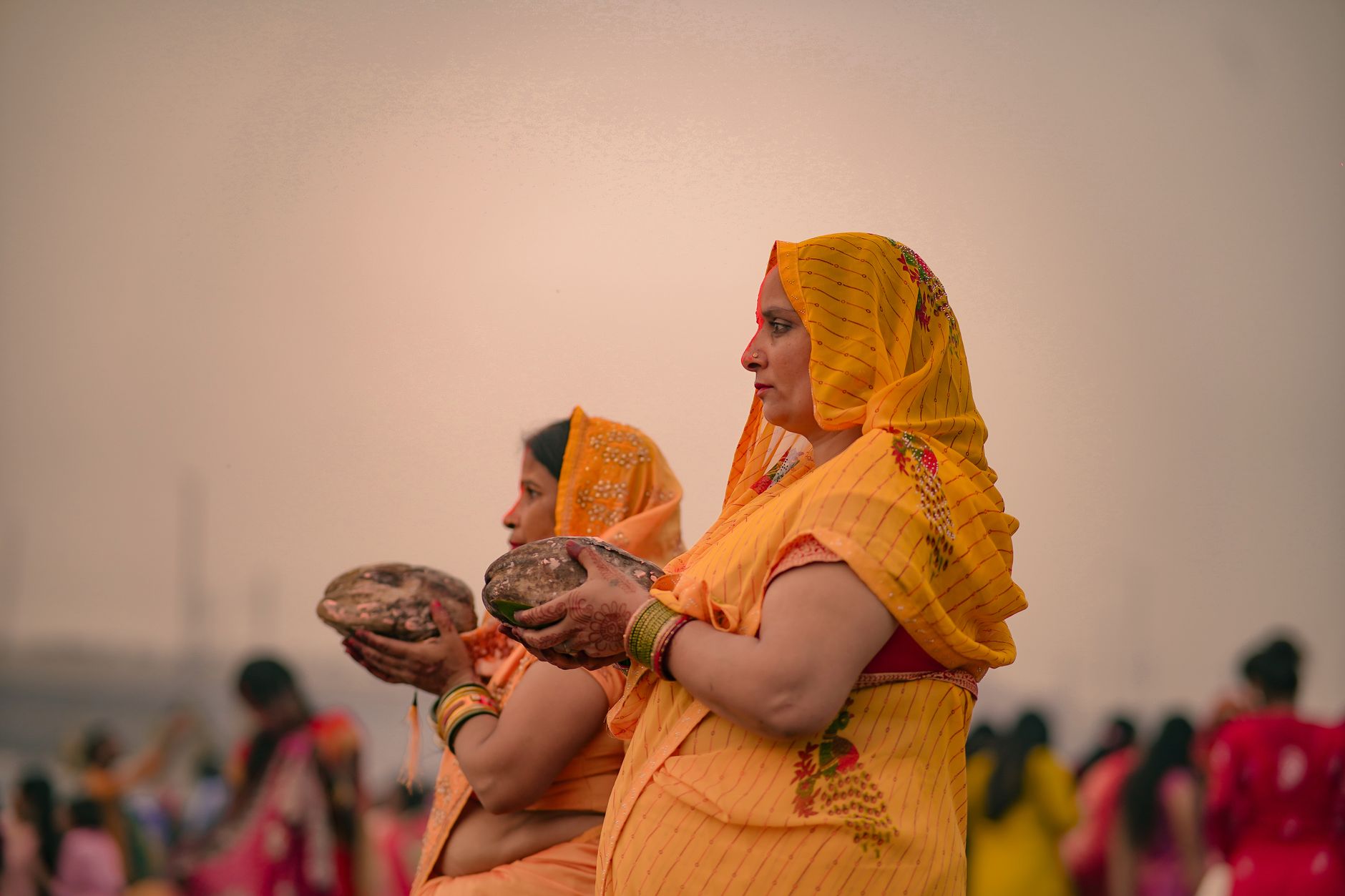
Chhath Puja is a significant festival celebrated primarily in the Indian states of Bihar, Jharkhand, and Uttar Pradesh, as well as by the diaspora across the globe. This ancient festival is dedicated to the Sun God, Surya, and his wife, Usha. It involves a series of rituals that are performed over four days, which include fasting, offering prayers, and making offerings to the sun at sunrise and sunset.
The festival is marked by a deep sense of devotion, where devotees, often dressed in traditional attire, gather near water bodies to perform the rituals. One of the key aspects of Chhath Puja is the preparation of special offerings, which include thekua, fruits, and other delicacies, symbolizing gratitude to the Sun God for sustaining life on Earth.
This year, the Delhi Chhath Puja holiday has been officially announced for November 16, allowing schools, colleges, and government offices to remain closed. This closure enables devotees to fully engage in the rituals without the constraints of daily commitments.
In addition to its religious significance, Chhath Puja fosters community spirit as families and friends come together to celebrate, reinforcing cultural bonds. The festival is not only a time for prayer but also an opportunity to reflect on nature and the changing seasons.
Significance of the Holiday
The Delhi Chhath Puja holiday is a significant occasion that reflects the rich cultural heritage of the region. This festival, dedicated to the Sun God, is celebrated with great fervor and devotion, especially by the people of Bihar and Uttar Pradesh. During Chhath Puja, devotees engage in various rituals that honor the sun, showcasing their gratitude for its life-sustaining energy.
The festival spans four days, with each day holding its own rituals and significance. The first day involves the Nahay Khay, where devotees cleanse themselves and prepare traditional meals. Subsequently, the Kharna occurs on the second day, where fasting takes place and offerings are made to the sun. The most important day is the Chhath, when worshippers gather at rivers or water bodies to offer prayers at sunset and sunrise.
In Delhi, the announcement of the Chhath Puja holiday has been well received, with schools, colleges, and government offices remaining closed on November 16. This closure allows citizens to participate fully in the celebrations, promoting community bonding and spiritual reflection. The holiday not only highlights the importance of the festival but also emphasizes the need for people to reconnect with their traditions and cultural values.
Closure Details for Schools and Colleges
The Delhi Chhath Puja holiday has been officially announced for November 16, allowing students and staff to participate in the festivities. This closure affects various educational institutions across the region, including both schools and colleges.
Here are the key details regarding the holiday:
Schools: All government and private schools will observe a holiday on November 16. This closure is intended to provide students the opportunity to celebrate the festival with their families.
Colleges: Colleges affiliated with Delhi University and other universities will also remain closed on the same day. This is a chance for students to engage in the rituals and traditions associated with Chhath Puja.
Government Offices: In addition to educational institutions, government offices will be closed, ensuring that employees can partake in the celebrations without work-related interruptions.
It is important for students and parents to plan ahead, as many schools and colleges may adjust their schedules surrounding this holiday. The Delhi Chhath Puja holiday not only facilitates time for celebration but also emphasizes the cultural significance of the festival within the community.
As the date approaches, further announcements regarding any additional closures or changes in schedules may be expected, so keeping an eye on official communications is advisable.
Government Office Timings
The Delhi Chhath Puja holiday is an important occasion for many citizens, and it brings about specific changes in the operational timings of government offices across the capital. On November 16, government offices will observe a complete closure in honor of this significant festival.
During this holiday, employees are encouraged to participate in the rituals and celebrations that characterize Chhath Puja. This holiday not only allows families to gather and celebrate but also ensures that government services are placed on hold.
Here are some key points regarding government office timings during the Delhi Chhath Puja holiday:
Closure Date: All government offices will be closed on November 16.
Impact on Services: Routine services and operations will be suspended for the day, leading to no public meetings or official business.
Resumption of Work: Normal operations will resume on November 17, allowing employees to return to their duties.
Emergency Services: Essential services such as healthcare and emergency response may still operate, ensuring that public safety is maintained.
This holiday not only reflects the cultural significance of Chhath Puja but also highlights the government’s recognition of the festival’s importance to the people of Delhi.
How to Celebrate Chhath Puja
Chhath Puja is a festival dedicated to the Sun God and is celebrated with great fervor in Delhi and other parts of India. This year, the Delhi Chhath Puja holiday falls on November 16, creating an opportunity for families to come together and engage in various rituals and festivities.
To celebrate Chhath Puja, devotees typically follow a series of customs that span several days. Here are some key elements of the celebration:
Preparation: Families prepare by cleaning their homes and gathering the necessary offerings, including fruits, sweets, and other items to be presented to the Sun God.
Fasting: Devotees observe a fast, often for 36 hours, starting from the evening before the main day of the celebration, refraining from water and food.
Prayers: On the day of Chhath, devotees gather at riverbanks or other water bodies to perform rituals. They offer prayers during the sunrise and sunset, singing traditional songs.
Community Participation: The festival fosters a sense of community as families and friends come together to partake in the celebrations, share meals, and support one another.
Participating in these rituals not only honors the Sun God but also strengthens family bonds and local communities, making Chhath Puja a cherished festival in Delhi.
Impact on Daily Life
The announcement of the Delhi Chhath Puja holiday has significant implications for daily life in the capital. With schools, colleges, and government offices remaining closed on November 16, many residents are preparing for a day dedicated to this important festival. The closure allows families to come together and participate in various rituals associated with Chhath Puja, fostering a sense of community.
For commuters, the holiday may mean less traffic on the roads as many people take the day off to celebrate. However, the increased number of devotees heading to riverbanks and designated worship areas could lead to congestion in specific locations. Public transportation services may also adjust their schedules to accommodate the influx of passengers traveling to participate in the festivities.
Businesses may experience a slowdown as employees observe the holiday, but local markets could see a surge in activity, with vendors selling traditional offerings and items needed for the celebrations. The vibrant atmosphere is likely to enhance the festive spirit in neighborhoods across Delhi.
Increased community gatherings.
Potential traffic congestion near worship sites.
Local markets bustling with activity.
Adjustments in public transportation schedules.
Overall, the Delhi Chhath Puja holiday not only provides a break from routine but also strengthens cultural bonds and community ties among the residents.
The Delhi Chhath Puja holiday is an important time for many residents, as it allows families to come together and celebrate. Be sure to check local announcements for any updates regarding the Delhi Chhath Puja holiday closure dates.
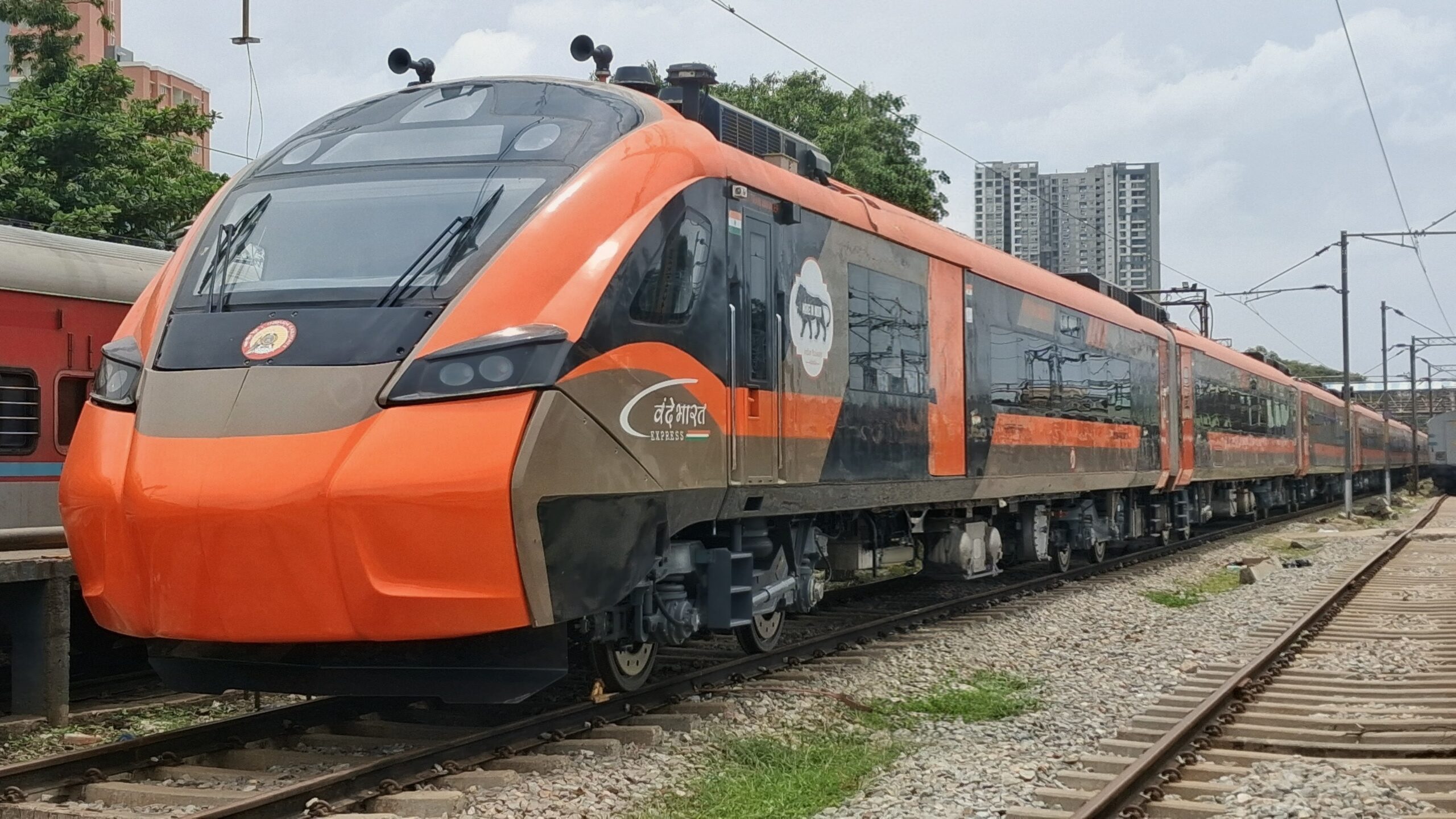
Vande Bharat sleeper trains are revolutionizing travel between major Indian cities. This article provides essential details about routes, timings, and fares for these new services.
Overview of Vande Bharat Sleeper Trains
The introduction of Vande Bharat sleeper trains marks a significant advancement in India’s rail travel experience. Designed to enhance comfort and efficiency, these trains aim to provide passengers with a restful journey across major routes in the country.
Equipped with modern amenities, the sleeper trains offer spacious berths, improved onboard services, and advanced safety features. The sleek design and high-speed capabilities of the Vande Bharat trains are complemented by their ability to cover long distances in a shorter time frame.
Recently launched routes include:
Mumbai to Bengaluru – A popular connection that caters to both business and leisure travelers.
Delhi to Varanasi – This route facilitates easy access to one of India’s holiest cities.
Timings for these trains are carefully scheduled to optimize travel convenience, with overnight journeys being a highlight for those looking to maximize their travel time. As the fleet expands, more routes and options are expected to emerge, solidifying the Vande Bharat sleeper trains’ position as a top choice for intercity travel in India.
Routes for Mumbai-Bengaluru and Delhi-Varanasi
The Vande Bharat sleeper trains have revolutionized long-distance travel in India, with two key routes gaining significant popularity: Mumbai-Bengaluru and Delhi-Varanasi. These routes not only offer comfort but also ensure timely arrivals, making them ideal for both business and leisure travelers.
For the Mumbai-Bengaluru route, the Vande Bharat sleeper train departs from Chhatrapati Shivaji Maharaj Terminus in Mumbai and reaches KSR Bengaluru City Junction. The journey typically takes around 22 hours, with the train making stops at major stations such as Pune and Hubli. This route is known for its scenic views and comfortable sleeper accommodations.
On the other hand, the Delhi-Varanasi route provides a direct connection between the national capital and the spiritual city of Varanasi. The Vande Bharat sleeper train on this route departs from New Delhi Railway Station and arrives at Varanasi Junction in approximately 12 hours. Key stops include Allahabad and Mughal Sarai, catering to a broad range of passengers.
Both routes exemplify the efficiency and comfort of Vande Bharat sleeper trains, enhancing the travel experience across India.
Timings for Vande Bharat Sleeper Trains
The introduction of Vande Bharat sleeper trains has revolutionized overnight travel across India, providing passengers with comfort and convenience. These trains are designed to enhance the travel experience with modern amenities and timely departures.
The following are the key timings for some of the popular routes:
Mumbai to Bengaluru: The train departs from Chhatrapati Shivaji Maharaj Terminus at 11:00 PM and reaches Yesvantpur Junction at 7:00 AM the next day.
Delhi to Varanasi: The train leaves New Delhi Railway Station at 10:00 PM and arrives at Varanasi Junction at approximately 8:00 AM, making it a convenient option for overnight travel.
Delhi to Katra: This route departs from New Delhi at 6:00 PM and reaches Katra at around 10:00 AM, allowing pilgrims to make the most of their visit to the holy city.
These schedules are subject to change, and passengers are advised to check the latest timings before planning their journeys. The Vande Bharat sleeper trains are indeed a significant step forward in enhancing rail travel in India.
Fares for Sleeper Train Services
The introduction of Vande Bharat sleeper trains has garnered significant attention, particularly regarding their fares, which are designed to be competitive and affordable for travelers. The fare structure varies based on the route, class of travel, and time of booking.
For the Mumbai-Bengaluru route, the fares for sleeper class tickets typically range from ₹1,200 to ₹1,500. Meanwhile, travelers opting for the more luxurious AC sleeper class may expect to pay between ₹2,500 and ₹3,000, offering enhanced comfort and amenities.
On the Delhi-Varanasi route, the pricing is similarly structured. Sleeper class tickets are available for around ₹1,000 to ₹1,200, while the AC sleeper options can cost between ₹2,000 and ₹2,500. It is advisable for passengers to book their tickets in advance to secure the best prices and ensure availability.
Overall, the fares for Vande Bharat sleeper trains reflect a commitment to providing modern, efficient, and accessible rail travel. These services not only enhance the travel experience but also cater to the diverse needs of passengers seeking comfortable overnight journeys.
Passenger Amenities on Vande Bharat Trains
The introduction of Vande Bharat sleeper trains has marked a significant enhancement in passenger travel experience across India. These trains are designed to offer a blend of comfort and convenience, making long journeys more enjoyable for travelers.
Passengers can expect a variety of amenities that cater to their needs during the journey. The sleeper coaches are equipped with:
Comfortable berths: Spacious sleeping arrangements that ensure a good night’s rest.
Modern washrooms: Clean and hygienic facilities with essentials available.
Onboard catering: A wide range of meal options that can be pre-booked or ordered during the journey.
Entertainment systems: Personal screens with a selection of movies and shows to keep passengers entertained.
Wi-Fi connectivity: Free internet access to stay connected while traveling.
Additionally, the ambiance in the sleeper coaches is enhanced by soft lighting and temperature control, ensuring a pleasant atmosphere. Overall, the Vande Bharat sleeper trains are designed to redefine rail travel in India, making it more luxurious and comfortable for all passengers.
Booking Process for Sleeper Trains
The booking process for Vande Bharat sleeper trains is designed to be user-friendly, ensuring that passengers can easily secure their tickets. To begin, travelers can visit the official Indian Railways website or use the IRCTC mobile application. Here are the key steps involved in the booking process:
Create an account: New users need to register on the IRCTC platform, providing necessary details like name, email address, and mobile number.
Search for trains: Once logged in, passengers can search for Vande Bharat sleeper trains by entering their origin, destination, and travel dates.
Select the train: A list of available trains will be displayed, from which travelers can choose their preferred Vande Bharat sleeper train based on timing and availability.
Choose a seat: Passengers can select their desired berth type before proceeding to the payment section.
Make payment: Various payment options are available, including credit/debit cards and net banking, to complete the transaction securely.
After booking, passengers will receive a confirmation message via email or SMS, along with their ticket details. This streamlined process makes traveling on Vande Bharat sleeper trains convenient and hassle-free.
Comparison with Other Train Services
The introduction of Vande Bharat sleeper trains has sparked interest among travelers, leading to a comparison with traditional train services. While many train services have been in operation for years, Vande Bharat sleeper trains offer a modern alternative with enhanced speed and comfort.
One of the primary advantages of Vande Bharat sleeper trains is their speed. They operate at higher average speeds compared to conventional sleeper trains, significantly reducing travel times between major cities. Additionally, the superior technology in Vande Bharat trains ensures smoother rides, which can be a major factor for many passengers.
In terms of passenger experience, Vande Bharat sleeper trains come equipped with advanced amenities such as onboard catering and modern restroom facilities. While traditional sleeper services may offer basic comforts, the Vande Bharat experience elevates travel quality with features like automatic doors and spacious sleeping arrangements.
However, it’s important to note that fare structures differ. While Vande Bharat sleeper trains may have slightly higher fares, many travelers find the pricing justified due to the overall quality and efficiency of the service. As Vande Bharat sleeper trains continue to gain popularity, they represent a significant shift in the landscape of train travel.
Future of Vande Bharat Sleeper Trains
The future of Vande Bharat sleeper trains looks promising as Indian Railways aims to enhance the travel experience across the country. With their growing popularity, more routes are expected to be introduced, connecting major cities and tourist destinations. This expansion could significantly reduce travel times while providing comfort and convenience to passengers.
Innovations in train technology are also on the horizon. Future Vande Bharat sleeper trains may feature advanced safety measures, improved energy efficiency, and enhanced onboard services, catering to the evolving needs of travelers. As the government invests in upgrading railway infrastructure, the sleeper trains will likely see modern amenities that make long-distance travel a more enjoyable experience.
Moreover, feedback from passengers will play a crucial role in shaping the future of these trains. By understanding the preferences and suggestions of travelers, Indian Railways can continue to improve service quality. Enhanced digital platforms for booking and real-time tracking of trains could also be part of the upcoming developments.
In conclusion, the future of Vande Bharat sleeper trains seems bright, promising a blend of modernity and comfort that will redefine train travel in India.
Air India flight diversion was necessitated by a hijack alert, prompting the aircraft to land in Jaipur instead of its intended destination, Delhi.
What Happened During the Air India Flight Diversion?
On a recent Air India flight diversion, passengers aboard the Frankfurt to Delhi route experienced a shocking turn of events. The flight was diverted to Jaipur following a serious hijack alert that sent shockwaves through the cabin.
According to sources, the diversion was executed after the airline received credible information regarding a potential hijacking threat. The flight crew acted swiftly, communicating with air traffic control to ensure the safety of everyone on board.
Upon landing in Jaipur, security personnel were immediately deployed to assess the situation. Passengers were kept informed throughout the process, which included:
Enhanced security checks by local authorities.
Quick evacuation of the aircraft as a precaution.
Transfer of passengers to a secure area for further questioning.
Fortunately, the situation was resolved without incident, but the Air India flight diversion raised concerns about aviation security and the protocols in place to handle such emergencies.
Details on the Hijack Alert
On a recent Air India flight diversion, a serious hijack alert led to the unexpected landing in Jaipur. The incident unfolded during a regular flight from Frankfurt to Delhi, causing significant concern among passengers and crew alike.
The flight crew promptly informed air traffic control of the situation, triggering a rapid response from security agencies. Passengers were reportedly unaware of the escalating situation until the aircraft began its descent towards Jaipur.
Upon landing, the aircraft was met by security forces, who initiated a thorough investigation. The quick decision to divert the flight was made to ensure the safety of everyone on board.
The alert was taken seriously, with authorities emphasizing the importance of security in aviation. The Air India flight diversion serves as a reminder of the protocols in place to handle such emergencies, protecting both passengers and crew during times of distress.
While the incident concluded without any harm, it raises questions about the measures in place to prevent such alerts from occurring in the future.
Passenger Safety Measures Taken
In response to the alarming situation regarding the Air India flight diversion, authorities implemented several passenger safety measures to ensure the well-being of everyone on board. The swift actions taken by the crew and security personnel were crucial in managing the tense atmosphere created by the hijack alert.
Immediate Communication: Crew members promptly informed passengers of the situation, providing clear instructions and updates throughout the flight.
Heightened Security Protocols: Screenings and checks were intensified, with the flight crew remaining vigilant for any suspicious behavior.
Emergency Preparedness: Passengers were briefed on safety procedures, including the use of life vests and the location of emergency exits.
Cooperation with Authorities: Upon landing in Jaipur, passengers were quickly evacuated, and law enforcement was on-site to secure the area and investigate the threat.
These measures were vital in ensuring that the situation was handled efficiently, allowing for the safe resolution of the Air India flight diversion incident.
Impact on Flight Schedules
The recent Air India flight diversion has significantly impacted flight schedules across multiple routes. As the Frankfurt-Delhi flight was diverted to Jaipur due to a hijack alert, passengers were left stranded at various airports while authorities assessed the situation. This incident has led to a ripple effect, causing delays and cancellations for connecting flights.
Airlines have been working diligently to accommodate affected travelers, but the repercussions are being felt widely. Passengers are advised to check for real-time updates on their flight statuses, as numerous delays are expected as a result of the Air India flight diversion.
Many international flights have experienced disruptions.
Travelers are encouraged to contact their airlines for rebooking options.
Airports are implementing additional security measures in light of recent events.
As the situation evolves, the travel industry is closely monitoring the developments to ensure passenger safety and minimize inconvenience.
Official Response to the Incident
The official response to the Air India flight diversion has been swift and comprehensive. Authorities have implemented a series of measures to ensure the safety and security of all passengers and crew involved in the incident.
In a statement, the Ministry of Civil Aviation emphasized the seriousness of the hijack alert that prompted the diversion. They stated:
Immediate Investigation: A thorough inquiry is underway to ascertain the validity of the hijack threat.
Coordination with Security Agencies: Collaboration with local and international security forces has been established to manage the situation effectively.
Support for Passengers: A dedicated team is providing assistance to those affected by the diversion, including accommodation and rebooking services.
Furthermore, the airline reassured the public that all safety protocols were followed during the Air India flight diversion, and they remain committed to ensuring passenger safety in all future operations.