
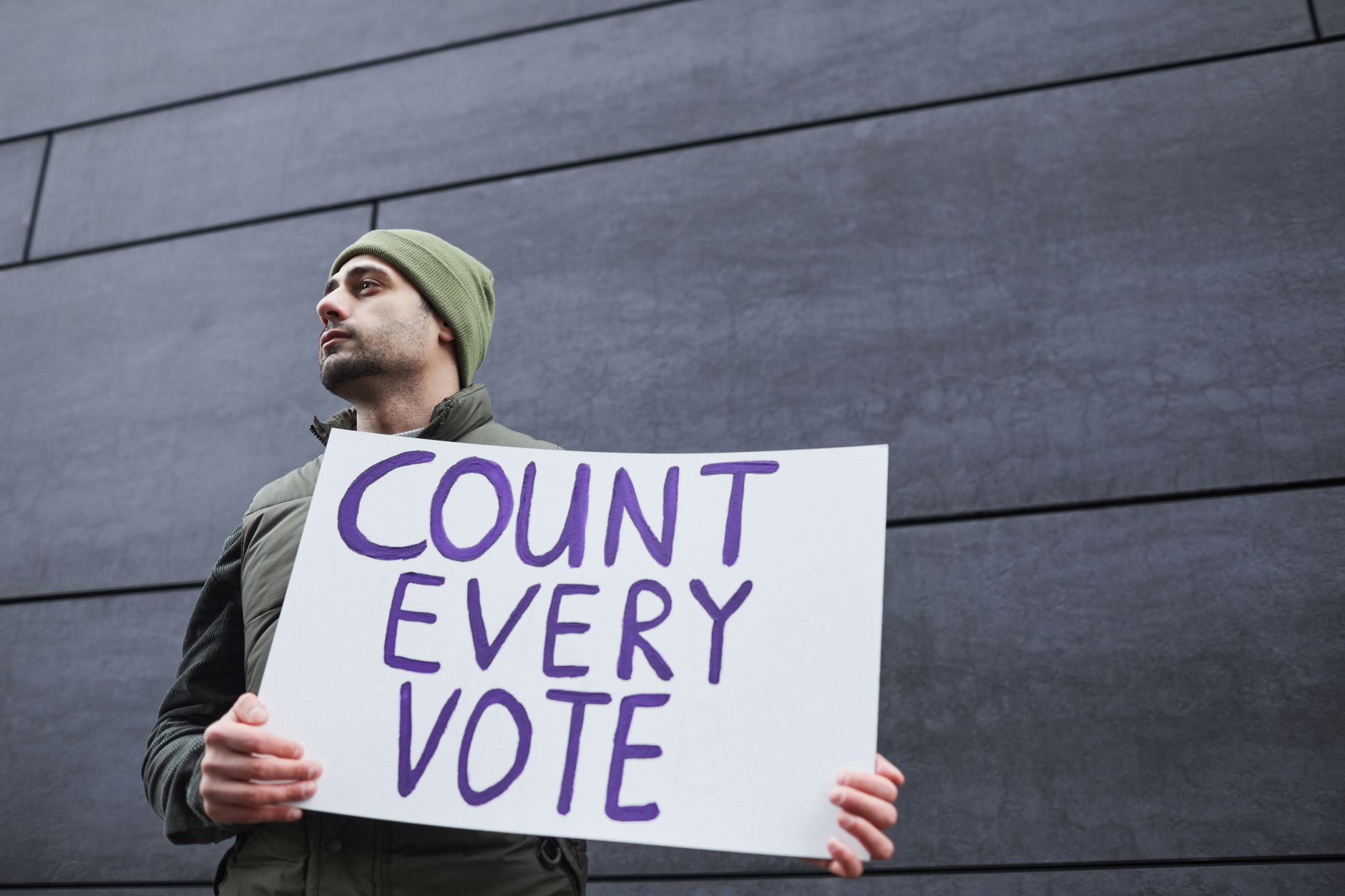

Alaska Senate vote count: Is Mary Peltola’s lead safe?
Alaska Senate vote count indicates that Mary Peltola’s lead is widening as officials continue to tally ballots. This development could significantly impact the election results.
Current Status of Alaska Senate Vote Count
The current status of the Alaska Senate vote count reveals a shifting landscape in the race, particularly concerning Mary Peltola’s lead. As ballots continue to be tallied, Peltola’s margin has expanded, raising questions about the stability of her position. With a significant number of absentee and mail-in ballots still awaiting processing, the final outcome remains uncertain.
Recent updates indicate that Peltola has garnered a growing base of support, which could solidify her chances of securing a Senate seat. Observers are closely monitoring the vote count, as the dynamics of the election could change dramatically with each new report. Key factors influencing the results include:
- Voter Turnout: Higher than expected participation from specific demographics may bolster Peltola’s standing.
- Ballot Types: The distinction between in-person votes and mail-in ballots could be pivotal in determining the final tallies.
- Election Integrity: Ensuring transparency and accuracy in the counting process remains a priority for election officials.
As the Alaska Senate vote count continues, analysts are evaluating whether Peltola’s lead is safe or if unforeseen developments could alter the race’s trajectory. The coming days will be crucial as the final votes are processed and the results are certified.
Implications of Peltola’s Lead
The recent Alaska Senate vote count has brought significant attention to Mary Peltola’s growing lead in the race, raising questions about the implications of this shift. As ballots continue to be tallied, Peltola’s supporters are cautiously optimistic, while her opponents are strategizing to close the gap.
The widening margin suggests that Peltola may have a secure advantage, but several factors could influence the final outcome. These include:
- Voter Turnout: High voter turnout can indicate strong support for a candidate, while low turnout may favor the opposition.
- Mail-in Ballots: The count of mail-in ballots is ongoing, and their impact on Peltola’s lead remains to be seen. Late mail-in votes could shift dynamics.
- Undecided Voters: Any remaining undecided voters or last-minute changes in public opinion could sway the results as the final count approaches.
Moreover, the implications of Peltola’s lead extend beyond the immediate election. A victory could solidify her position and influence future policy decisions in Alaska, particularly on issues such as resource management and Indigenous rights. As the Alaska Senate vote count continues, all eyes will remain on the results that could redefine the state’s political landscape.
Analysis of Voter Turnout
The analysis of voter turnout in the Alaska Senate vote count reveals significant trends that may impact the final outcome of the election. With Mary Peltola’s lead widening, understanding how different demographics have participated can provide crucial insights into her chances of maintaining that lead.
Several factors contribute to voter turnout in Alaska, including geography, weather conditions, and the varying levels of engagement among different communities. The following points highlight key aspects of the current voter landscape:
- Remote Locations: Many Alaskan voters live in remote areas, which can influence their ability to cast ballots. Accessibility remains a critical issue, particularly during adverse weather conditions.
- Mail-in Voting: The increased use of mail-in ballots has allowed more people to participate, especially those who may have difficulty reaching polling places. This method has gained popularity and may be benefiting Peltola.
- Demographic Engagement: Certain demographics, including younger voters and urban residents, have shown higher engagement levels in this election cycle, which could favor Peltola’s campaign.
As the Alaska Senate vote count progresses, monitoring changes in voter turnout will be essential. If Peltola can sustain or increase her support among these key groups, her lead may indeed be considered safe as the counting continues.
What Comes Next for Alaska’s Senate Race
As the Alaska Senate vote count continues, attention now shifts to what lies ahead for Mary Peltola and the other candidates in this competitive race. Peltola’s widening lead has sparked discussions about the potential outcomes and strategies for both her campaign and her opponents.
First, the finalization of the vote count is crucial. Election officials are working diligently to ensure that every ballot is accounted for, and any challenges or disputes could influence the ultimate results. It’s essential for Peltola’s team to monitor this process closely to safeguard her lead.
In the coming days, we can expect:
- Increased Campaign Activity: Candidates may ramp up their outreach efforts, aiming to sway undecided voters or address any concerns from constituents.
- Potential Legal Challenges: If the results are particularly close, we might see legal actions from opponents questioning the validity of the vote count.
- Voter Engagement Initiatives: Peltola’s campaign might implement initiatives to keep supporters informed and engaged as the vote count progresses.
Moreover, public interest in the Alaska Senate race is likely to remain high, with analysts providing ongoing commentary regarding the implications of Peltola’s lead. As the situation unfolds, all eyes will be on the final numbers and what they mean for Alaska’s political landscape.
Photo by Edmond Dantès on Pexels