
Mamdani Oct. 7 Anniversary Sparks Anger and Bitterness

Mamdani Oct. 7 anniversary has sparked anger and bitterness in the community, as people reflect on the events that unfolded on that day.

Understanding the Mamdani Oct. 7 Anniversary

The Mamdani Oct. 7 anniversary is a date that resonates deeply within the affected communities, stirring a mix of anger and bitterness. This day marks the remembrance of events that have left a significant impact on the lives of many, raising questions about justice and accountability.

For those directly impacted, the anniversary serves as a stark reminder of the past. It is a time to reflect on the struggles they have faced and the ongoing challenges in seeking recognition and reparations. Many families continue to grapple with grief and loss, making the anniversary a painful occasion.

In recent years, the Mamdani Oct. 7 anniversary has sparked public demonstrations and discussions, as individuals and organizations come together to voice their frustrations. The sentiment among many is that the issues surrounding this date have not been adequately addressed by authorities.

The following points summarize the key themes associated with the anniversary:

  • Historical Significance: The events of October 7 are critical in understanding the ongoing struggles faced by affected communities.
  • Call for Justice: Many advocate for accountability and recognition of the past injustices.
  • Community Solidarity: The anniversary fosters a sense of unity among those impacted, as they seek to amplify their voices.

As the anniversary approaches, it becomes increasingly clear that the path to healing and resolution remains fraught with challenges.

Community Reactions to the Anniversary

As the Mamdani Oct. 7 anniversary approaches, community members express a range of emotions, from anger to deep-seated bitterness. The date has become a poignant reminder of the events that transpired, leading many to reflect on their personal experiences and the broader implications for their community.

Local resident Fatima Ahmed shared her feelings, stating, “Every year, this date brings back the pain. It’s a reminder of what we lost and the struggles we still face.” Many in the community echo her sentiments, highlighting the ongoing impact of those events on their lives.

In contrast, some individuals, like Imran Khoury, argue that the focus on the anniversary should shift towards reconciliation and healing. “Yes, we must remember, but we also need to move forward,” he said during a recent community meeting.

To address these mixed emotions, several local organizations have planned events to foster dialogue and understanding. These include:

  • Panel discussions featuring community leaders
  • Workshops on conflict resolution and healing
  • Art exhibits showcasing personal narratives

As the community grapples with its past, the Mamdani Oct. 7 anniversary serves as a catalyst for both reflection and potential change, sparking conversations that are essential for moving forward.

Mamdani’s Impact on Local Sentiment

The Mamdani Oct. 7 anniversary has ignited a wave of emotions within the community, reflecting deep-seated feelings of anger and bitterness. Many residents express that this date serves as a painful reminder of past events that have left lasting scars.

In conversations throughout the neighborhood, it is evident that the anniversary evokes a strong sense of injustice. Local sentiment is largely influenced by the memories associated with this date, leading to a mix of frustration and sorrow.

  • Community Division: The anniversary has intensified divisions among residents. Some argue that recalling this date is necessary for healing, while others feel it only reopens old wounds.
  • Calls for Reflection: Advocacy groups are urging the community to use this time for reflection and dialogue, aiming to foster understanding and reconciliation.
  • Public Demonstrations: Planned demonstrations are set to take place, with participants seeking to highlight the impacts of past injustices and their relevance today.

As the Mamdani Oct. 7 anniversary approaches, discussions surrounding its significance continue to unfold, revealing a community grappling with its history and the emotions tied to it. The raw feelings of anger and bitterness are palpable, as many seek to navigate their complex sentiments while honoring the memories that this date represents.

Historical Context of the Oct. 7 Events

The Mamdani Oct. 7 anniversary serves as a potent reminder of a tumultuous period in the region’s history, marking significant events that have left lasting scars on the community. The date is not merely a point on the calendar but a symbol of the struggles faced by many during that time.

Historically, the events surrounding October 7 involved a series of political and social upheavals that altered the course of local governance and community relations. The aftermath of these events has cultivated a climate of distrust and division, particularly as survivors and families of victims continue to grapple with their grief.

Many community members reflect on the anniversary with a mix of anger and bitterness, feeling that the lessons of the past have not been adequately addressed. They point to a lack of accountability and insufficient recognition of the injustices that occurred. This sense of unresolved conflict exacerbates tensions and fuels ongoing discussions about justice and reconciliation.

In light of the Mamdani Oct. 7 anniversary, numerous local organizations are working to foster dialogue and healing, while also advocating for remembrance and recognition of those affected. The collective memory of the events remains a critical aspect of the community’s identity, influencing both current sentiments and future aspirations.

Photo by kevin yung on Pexels

Where this came from

The New York Times

Related reading

Amazon Retail Job Cuts: What’s the Real Impact? · India Travel Festival: Best Deals for Your Next Adventure · Asian Games final loss: Honest reflections from Pakistan batter
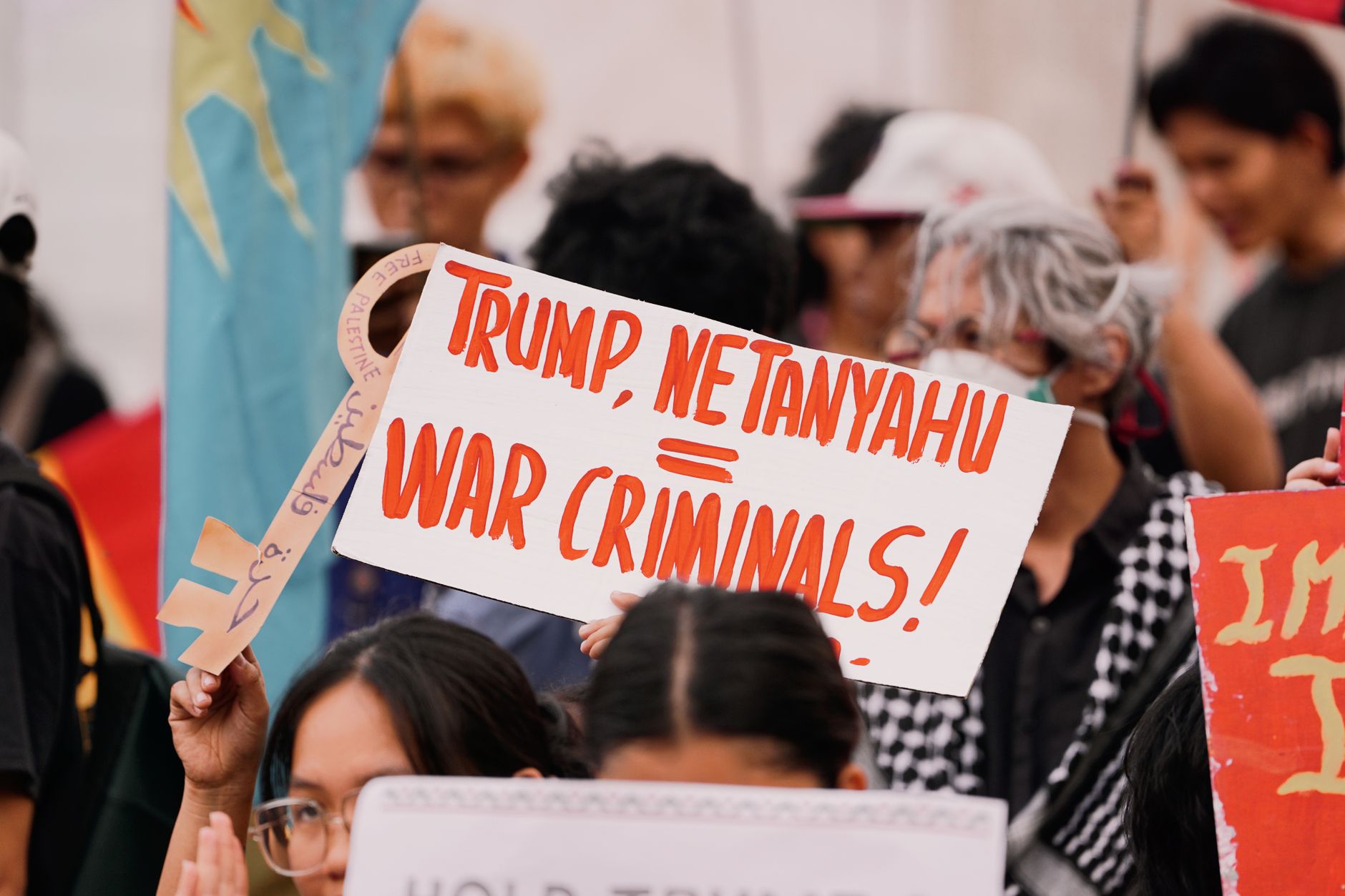
Mamdani Netanyahu Comments: Worst Genocide Architect Claims

Mamdani Netanyahu comments have sparked controversy, with accusations of being a genocide architect and a Hamas supporter. This article delves into the statements made and their potential impact.

Background on Mamdani

Mahmood Mamdani, a prominent scholar and political commentator, has been vocal in his criticisms of Israeli Prime Minister Benjamin Netanyahu. In recent statements, Mamdani described Netanyahu as a “genocide architect,” a term that reflects his view on the impact of Israeli policies on Palestinian populations. This characterization has sparked significant debate and controversy.

Mamdani’s comments are rooted in his extensive research on colonialism, power dynamics, and humanitarian crises. He argues that the actions taken by Netanyahu’s government have exacerbated tensions in the region, leading to widespread suffering. Furthermore, Mamdani has referred to Netanyahu as a “Hamas supporter,” a remark intended to highlight the contradictory nature of political affiliations in the ongoing conflict.

Critics of Mamdani’s remarks claim they oversimplify a complex situation, while supporters argue that his comments shed light on the dire consequences of Israeli military actions. Regardless, the Mamdani Netanyahu comments continue to ignite discussions about morality, governance, and the quest for peace in the Middle East.

Netanyahu’s Response

In response to the heated accusations from Mamdani, Prime Minister Netanyahu has publicly defended his actions and policies regarding the ongoing conflict. He labeled Mamdani’s comments as “outrageous” and “misleading,” asserting that they distort the reality of Israel’s security needs.

Netanyahu emphasized the following points:

  • Security Measures: He argued that Israel’s military operations are necessary to protect its citizens from threats posed by Hamas.
  • Humanitarian Efforts: The Prime Minister highlighted Israel’s commitment to delivering humanitarian aid to civilians in affected areas, despite the ongoing conflict.
  • International Support: Netanyahu called for continued international backing, stating that Israel stands against terrorism and seeks peace in the region.

Furthermore, Netanyahu expressed his belief that comments labeling him a “genocide architect,” as claimed by Mamdani, undermine the very real challenges faced by his government. The Prime Minister’s remarks reflect a broader narrative that seeks to combat what he perceives as delegitimization of Israel’s right to defend itself.

Analysis of Genocide Claims

The recent comments made by Mamdani regarding Netanyahu have sparked significant debate, particularly in the context of accusations of genocide. Mamdani’s labeling of Netanyahu as a “genocide architect” has drawn both support and criticism from various quarters. Many argue that such strong language serves to highlight the ongoing humanitarian crisis in the region.

Critics of Mamdani’s remarks contend that calling Netanyahu a “genocide architect” is an oversimplification of a complex situation. They emphasize that this characterization ignores the multifaceted nature of the Israeli-Palestinian conflict. Proponents of Mamdani, however, argue that the actions taken in recent conflicts warrant such a description, suggesting that the scale of violence and its impact on civilians cannot be overlooked.

The implications of Mamdani’s comments extend beyond mere rhetoric, as they contribute to a broader discourse on accountability and the international community’s role in addressing alleged war crimes. As this dialogue continues, the focus remains on the humanitarian ramifications and the quest for peace.

Public Reaction to Comments

The public reaction to Mamdani Netanyahu comments has been overwhelmingly polarized, igniting debates across various platforms. Many individuals have taken to social media to express their outrage, labeling Mamdani’s statements as incendiary and damaging. Supporters of Netanyahu argue that such accusations undermine the complexity of the Israeli-Palestinian conflict and distract from genuine discourse.

Conversely, a significant number of activists and human rights advocates have rallied behind Mamdani, asserting that the characterization of Netanyahu as a “genocide architect” reflects a harsh but necessary critique of his policies. They emphasize the importance of holding leaders accountable for their actions, particularly in relation to civilian casualties in conflict zones.

  • Pro-Mamdani supporters organized protests, calling for justice and recognition of what they describe as systemic oppression.
  • Critics have launched counter-campaigns, urging a more nuanced understanding of the situation in the Middle East.

This divide illustrates the challenges of discussing sensitive topics such as genocide in contemporary politics.

Impact on Israeli Politics

The recent Mamdani Netanyahu comments have sparked significant discourse within Israeli politics. Analysts suggest that these remarks could further polarize an already divided political landscape. Many lawmakers are grappling with how to respond to the accusations without alienating their voter base.

Supporters of Netanyahu argue that labeling him as a “genocide architect” undermines the legitimacy of Israel’s actions and diminishes the gravity of real humanitarian crises. Conversely, critics assert that Mamdani’s comments reflect a growing sentiment against Israeli policies, particularly regarding the treatment of Palestinians.

  • Public opinion: Polls indicate a rise in sympathy for Palestinian perspectives among younger voters.
  • Political repercussions: Some politicians are distancing themselves from Netanyahu to appeal to more progressive constituents.
  • International response: Foreign leaders are closely monitoring the fallout, with some calling for restraint and dialogue.

Ultimately, the impact of Mamdani’s comments on Israeli politics remains to be seen as tensions continue to escalate.

Future Implications for Hamas

The recent Mamdani Netanyahu comments have sparked significant debate about the future of Hamas and its role in the ongoing conflict. Analysts suggest that these remarks could lead to increased polarization within the region, complicating any potential peace negotiations.

As tensions escalate, several implications may arise:

  • Increased Radicalization: The labeling of Netanyahu as a “genocide architect” may embolden extremist factions within Hamas, pushing them towards more aggressive tactics.
  • International Relations: Mamdani’s comments could strain Israel’s relationships with key allies, particularly those advocating for human rights in conflict zones.
  • Domestic Response: Within Israel, Netanyahu’s government may face backlash from both right and left factions, leading to a reevaluation of current policies regarding Gaza.
  • Public Perception: The comments are likely to affect how both sides are viewed globally, influencing international public opinion and humanitarian efforts.

Ultimately, the ramifications of these discussions will shape the landscape of Middle Eastern politics in the years to come.

The recent Mamdani Netanyahu comments have sparked outrage across various social media platforms. Critics argue that these Mamdani Netanyahu comments highlight a troubling perspective on current geopolitical tensions.

Photo by Mico Medel on Pexels

References

NDTV

You might also like

Houthis western Yemen: The Real Impact on Daily Life · Delhi SIR notices raise serious concerns: Clear discrepancies · Class 9 Math Textbooks: Clear Guide to NCERT Changes