Is the Euclid mission data release worth exploring?

The Euclid mission data release showcases a vast collection of information on over 900 million galaxies, providing valuable insights for astronomers and researchers.

What is the Euclid mission?

The Euclid mission is a groundbreaking project initiated by the European Space Agency (ESA) aimed at exploring the mysterious components of our universe, particularly dark energy and dark matter. Launched in July 2023, Euclid is equipped with advanced instruments designed to map the geometry of the universe with unprecedented precision.

One of the mission’s primary objectives is to create a 3D map of the universe, capturing the distribution of galaxies over a vast area of the sky. By doing so, Euclid will provide valuable insights into how galaxies evolve and how cosmic structures are formed.

The data collected by the Euclid mission will enhance our understanding of fundamental questions regarding the universe’s expansion and the forces that drive it. It is expected to revolutionize cosmology and potentially unveil new physics beyond the current models.

With the recent Euclid mission data release encompassing more than 900 million galaxies, researchers are eager to delve into this treasure trove of information. The findings could lead to significant breakthroughs in our comprehension of the cosmos and its underlying principles.

Key findings from the data release

The recent Euclid mission data release has yielded significant insights into the universe, showcasing a vast array of findings that astronomers and researchers are eager to explore. One of the key discoveries is the identification of over 900 million galaxies, providing a comprehensive catalog that enhances our understanding of cosmic structures.

Among the most notable findings are:

  • Dark Matter Distribution: The data reveals intricate patterns of dark matter, helping to map its influence on galaxy formation.
  • Galaxy Evolution: Insights into how galaxies evolve over time have been gleaned, shedding light on the processes that govern their growth and development.
  • Cosmic Expansion: The mission offers new measurements related to the expansion of the universe, potentially refining existing models of cosmic acceleration.
  • High-Redshift Galaxies: The identification of distant galaxies has opened new avenues for understanding the early universe, pushing the boundaries of our observational capabilities.

As researchers continue to analyze the Euclid mission data release, these findings could significantly impact our knowledge of astrophysics and cosmology.

How does the data impact astronomy?

The recent Euclid mission data release has significant implications for the field of astronomy. By providing unprecedented access to the light from over 900 million galaxies, this data allows astronomers to delve deeper into our understanding of the universe.

One of the most notable impacts is the enhancement of our knowledge about dark matter and dark energy. The data enables researchers to map the distribution of these elusive components more accurately, potentially leading to groundbreaking discoveries.

Additionally, the Euclid mission data release facilitates:

  • Galaxy formation studies: Astronomers can investigate how galaxies evolve over time, offering insights into their formation processes.
  • Cosmic expansion research: This data helps refine measurements of the universe’s expansion rate, which is crucial for understanding its ultimate fate.
  • Large-scale structure analysis: The release allows for a comprehensive examination of the universe’s large-scale structure, shedding light on the fundamental forces at play.

In conclusion, the Euclid mission data release is not just a treasure trove of information; it represents a significant leap in our quest to uncover the mysteries of the cosmos.

Future implications for space exploration

The Euclid mission data release is set to have far-reaching implications for the future of space exploration. As researchers analyze the extensive data covering over 900 million galaxies, several key areas are anticipated to benefit from these findings.

  • Understanding Dark Energy: The mission aims to shed light on dark energy, a mysterious force believed to be responsible for the universe’s accelerated expansion. Insights gained from the data could lead to breakthroughs in fundamental physics.
  • Galaxy Formation and Evolution: The comprehensive survey of galaxies will provide data crucial for understanding how galaxies form and evolve over billions of years, enhancing our knowledge of cosmic history.
  • Collaboration Across Disciplines: The data release encourages collaboration among astronomers, physicists, and data scientists, fostering new interdisciplinary approaches to tackling cosmic questions.
  • Technological Advancements: The techniques developed for data analysis may have applications beyond astronomy, influencing fields such as artificial intelligence and machine learning.

In summary, the implications of the Euclid mission data release extend beyond immediate astronomical applications, paving the way for innovative research and exploration in the cosmos.

Challenges in analyzing the data

Analyzing the data from the Euclid mission data release presents several challenges for researchers and astronomers alike. Firstly, the sheer volume of data is staggering, encompassing information from over 900 million galaxies. This vast dataset requires significant computational power and sophisticated algorithms to process effectively.

Secondly, the complexity of the data itself poses difficulties. The Euclid mission aims to explore dark energy and dark matter, which are not directly observable. Therefore, scientists must rely on indirect measurements and complex models to interpret the data accurately. This can lead to ambiguities in the results, making it challenging to draw definitive conclusions.

Additionally, the integration of the Euclid data with existing astronomical datasets can be problematic. Researchers must ensure compatibility and consistency between different data sources, which often have varying formats and calibration methods. This process can be time-consuming and resource-intensive.

Finally, the interdisciplinary nature of the research means that collaboration between experts in different fields, such as astrophysics, computer science, and statistics, is essential. Coordinating efforts across various disciplines can complicate the analysis process further, but it is crucial for unlocking the potential of the Euclid mission data release.

What researchers are saying about the findings

Researchers are abuzz with excitement over the recent Euclid mission data release, which spans an impressive 900 million galaxies. Many scientists believe this unprecedented dataset will significantly enhance our understanding of the universe’s structure and evolution.

One researcher, Dr. Emily Chen, highlighted the potential for the data to reshape our knowledge of dark matter and dark energy. She stated, “The Euclid mission data release offers a wealth of information that could unlock the mysteries of cosmic acceleration.”

Another expert, Professor Ahmed Malik, emphasized the collaborative opportunities that arise from this dataset. “Astronomers from various fields can leverage this data to tackle different questions, from galaxy formation to the large-scale structure of the universe,” he noted.

However, some researchers have pointed out that the sheer volume of data may present challenges. Dr. Sarah Kim remarked, “While the Euclid mission data release is a goldmine, it requires careful analysis and advanced techniques to extract meaningful insights.”

As this exploration unfolds, the scientific community eagerly anticipates the new discoveries that will emerge from analyzing the rich information provided by the Euclid mission.

Comparison with previous missions

The Euclid mission data release marks a significant advancement in our understanding of the universe, especially when compared to previous astronomical missions. Unlike missions such as the Hubble Space Telescope, which provided stunning images but were limited in scope, Euclid is designed to map the geometry of the dark universe. It aims to measure the shape and distribution of galaxies over a vast area, specifically focusing on over 900 million galaxies.

Previous missions, including the Sloan Digital Sky Survey (SDSS), laid the groundwork by cataloging millions of galaxies and providing valuable insights into galaxy formation and evolution. However, the Euclid mission takes this further by integrating data on dark energy and dark matter, which are crucial for understanding the universe’s expansion.

Additionally, while the Hubble and SDSS relied on a smaller sample size, the extensive data release from Euclid offers a more comprehensive view. This data will enable researchers to explore new questions about cosmic structures and the fundamental nature of the universe, revealing patterns and phenomena that were previously beyond our reach.

In summary, the Euclid mission data release stands out as a pivotal moment in astronomical research, building on the foundations laid by previous missions while expanding the frontiers of our cosmic knowledge.

How to access the Euclid data

Accessing the Euclid mission data is a straightforward process, designed to facilitate researchers and enthusiasts alike in exploring the vast universe captured by this groundbreaking mission. The data release offers a treasure trove of information, spanning over 900 million galaxies, which is invaluable for astronomical research.

To begin your journey into the Euclid mission data release, follow these steps:

  • Visit the official Euclid mission website: The primary source for accessing the data is the Euclid mission’s dedicated portal, where you can find various datasets and tools.
  • Create an account: Researchers and users are often required to register for an account, allowing for personalized access to datasets and updates.
  • Explore the data catalog: The catalog features detailed descriptions of the datasets, including images, spectra, and raw data, along with user guides for effective navigation.
  • Utilize data analysis tools: Several online tools are available to help users analyze the data efficiently, enabling them to extract meaningful insights.

By taking advantage of the Euclid mission data release, users can contribute to the ongoing exploration of the cosmos, enhancing our understanding of the universe.

Photo by SpaceX on Pexels

Read the original

ASHARQ AL-AWSAT English

More on this site

Oil India Dividend 2026: Is This the Best Cash Payout Ever? · Kia Expansion in Andhra Pradesh: Proven Benefits for Jobs · Telangana intermediate colleges: Smart move to 10+2 system


Beta Pictoris dust plume: The Best Discovery of Hubble’s Year

Beta Pictoris dust plume has captivated astronomers with its stunning 93-billion-mile stretch, showcasing the incredible capabilities of the Hubble Space Telescope.

What is the Beta Pictoris dust plume?

The Beta Pictoris dust plume has recently captured the attention of astronomers, marking a significant discovery in the year of Hubble’s operations. This extraordinary feature is a vast cloud of dust and gas that extends approximately 93 billion miles from the star Beta Pictoris, located about 63 light-years away from Earth.

The dust plume is believed to be a result of the interactions between the star and its surrounding debris disk, which consists of materials left over from the formation of the solar system. As this material collides and breaks apart, it creates a dynamic environment that leads to the formation of dust clouds.

Key points about the Beta Pictoris dust plume include:

  • Distance: The plume extends across a staggering distance, illustrating the vastness of space.
  • Composition: It comprises tiny particles of dust and gas, which can provide insights into the processes of planetary formation.
  • Observational significance: This discovery underscores Hubble’s remarkable capabilities in observing distant astronomical phenomena.

As researchers continue to study the Beta Pictoris dust plume, they hope to unlock further secrets about the life cycle of stars and the evolution of planetary systems.

How Hubble made this discovery

The discovery of the Beta Pictoris dust plume marks a significant achievement for the Hubble Space Telescope, showcasing its advanced capabilities in space observation. Hubble’s observatory team utilized its powerful imaging technology to capture stunning visuals of the dust plume, which is located approximately 93 billion miles away from Earth.

To make this groundbreaking discovery, Hubble employed a series of techniques that highlighted the plume’s unique characteristics. The telescope’s ultraviolet and optical sensors allowed scientists to detect the faint light emitted by the dust, providing crucial data on its composition and behavior. This information is vital for understanding the dynamics of planetary systems and the formation of celestial bodies.

Additionally, Hubble’s ability to monitor the dust plume over time revealed its movement and interaction with the surrounding environment. The team analyzed a sequence of images taken over several months, which illustrated the plume’s evolution and its relation to the star Beta Pictoris.

In summary, Hubble’s advanced observational technology and meticulous data collection methods were instrumental in uncovering the mysteries of the Beta Pictoris dust plume, reinforcing the telescope’s status as a leading tool in astronomical research.

Significance of the dust plume

The discovery of the Beta Pictoris dust plume holds significant implications for our understanding of planetary formation and the dynamics of debris disks surrounding young stars. As one of the most studied stars, Beta Pictoris has captivated scientists for years due to its rich system of planetesimals and the existence of a massive exoplanet, Beta Pictoris b. The dust plume, stretching approximately 93 billion miles, offers a unique opportunity to observe the processes that lead to planet formation.

One of the primary reasons this discovery is so important is that it provides insights into the interaction between stellar winds and surrounding materials. The plume is believed to be the result of collisions between asteroids and comets within the disk, showcasing how materials can be redistributed in such systems. Understanding the properties and behavior of the Beta Pictoris dust plume can help scientists draw parallels with our own solar system, shedding light on the mechanisms that may have influenced the formation of Earth and other planets.

Furthermore, the plume serves as a reminder of the continuous evolution of star systems. As more data is gathered, researchers anticipate that studying this plume will contribute significantly to the broader field of astrophysics and enhance our grasp of the universe’s complex tapestry.

Astronomical features of Beta Pictoris

The Beta Pictoris system, located approximately 63 light-years away from Earth, is renowned for its fascinating astronomical features. One of the most intriguing aspects of this system is the presence of the Beta Pictoris dust plume, a striking dust formation that extends an astonishing 93 billion miles into space. This plume is believed to consist of debris from comets and asteroids, contributing to the dynamic environment surrounding the young star.

Within the Beta Pictoris system, scientists have identified several key characteristics that make it a subject of interest in astrophysical research:

  • Young Star: Beta Pictoris is a relatively young star, estimated to be only about 20 million years old, which allows researchers to study stellar and planetary formation processes.
  • Protoplanetary Disk: The system is encircled by a massive protoplanetary disk, filled with gas and dust that may eventually form planets.
  • Dust Plume Behavior: The Beta Pictoris dust plume exhibits fascinating behavior as it interacts with solar winds, showcasing the complexities of cosmic dust dynamics.

As astronomers continue to study the Beta Pictoris dust plume, they hope to unravel the mysteries surrounding the formation of planetary systems and the evolution of dust in the universe.

Comparing Beta Pictoris to other stars

The observation of the Beta Pictoris dust plume has sparked interest among astronomers as they compare this phenomenon to similar features observed around other stars. In the vast expanse of our galaxy, several young stars exhibit dust and debris disks, which provide crucial insights into planetary formation.

For instance, the star HL Tauri has been documented with a prominent ring structure that suggests the presence of forming planets. Unlike the Beta Pictoris dust plume, which stretches an astonishing 93 billion miles, HL Tauri’s rings are more compact and offer a different perspective on the dynamics of dust accumulation.

Another notable comparison is with Fomalhaut, a star with a well-studied debris disk. While Fomalhaut’s disk is relatively stable, the Beta Pictoris dust plume displays a dynamic and evolving structure, hinting at more active processes at play.

Additionally, the star TW Hydra has been observed with a more traditional protoplanetary disk, contrasting with the unique and spectacular features of the Beta Pictoris dust plume. This diversity in stellar environments enhances our understanding of the complex processes behind dust formation and planetary evolution across the universe.

Future observations of dust plumes

Future observations of the Beta Pictoris dust plume are set to enhance our understanding of this remarkable astronomical phenomenon. Astronomers are eager to utilize advanced telescopes and imaging technology to gather more data about the plume’s composition and its interactions with the surrounding environment.

In particular, researchers plan to focus on the following areas:

  • Detailed Composition Analysis: By examining the dust particles within the plume, scientists hope to uncover their chemical makeup, which could provide insights into the processes of planetary formation.
  • Dynamic Behavior: Observing how the dust plume evolves over time will help astronomers understand its movement and the forces acting upon it, contributing to a broader knowledge of stellar systems.
  • Comparative Studies: Future observations may also involve comparing the Beta Pictoris dust plume with similar phenomena found around other stars, revealing patterns that could inform theories about dust plume formation in different stellar environments.

As new technologies emerge, the potential to capture unprecedented details of the Beta Pictoris dust plume will not only excite the scientific community but also inspire the public’s interest in the mysteries of our universe.

Impact on our understanding of star systems

The discovery of the Beta Pictoris dust plume has significant implications for our understanding of star systems. This remarkable observation not only highlights the dynamic nature of dust around stars but also provides insights into the processes that govern planetary formation.

First, the presence of the dust plume challenges existing theories about how dust behaves in the vicinity of stars. Traditionally, it was believed that dust would accumulate in stable orbits, but the plume’s elongated shape suggests that other forces at play, such as gravitational interactions or stellar winds, may be more influential than previously thought.

Furthermore, the Beta Pictoris dust plume allows astronomers to examine the composition of the dust particles, which can offer clues about the materials present in the early solar system. Understanding these materials is crucial for piecing together the history of planetary development and the potential for habitable environments.

As researchers continue to study this phenomenon, they are likely to uncover more about the life cycles of stars and their surrounding environments. The findings related to the Beta Pictoris dust plume may lead to a reevaluation of other star systems and their dust dynamics, ultimately enriching our comprehension of the cosmos.

Public interest in Hubble’s findings

The recent discovery of the Beta Pictoris dust plume has generated significant public interest, captivating the imagination of both the scientific community and the general public. This remarkable finding has sparked discussions around the mysteries of space and the dynamic processes occurring in distant star systems.

Social media platforms have been abuzz with excitement, as enthusiasts share images and articles related to Hubble’s observations. Many are drawn to the visual representation of the dust plume, often likened to a ‘cat’s tail’, which adds a layer of intrigue to this astronomical phenomenon.

Moreover, educational institutions have seized the opportunity to engage students with the discovery. Schools and universities are incorporating discussions about the Beta Pictoris dust plume into their science curricula, encouraging a deeper understanding of astrophysics and the significance of space exploration.

The public’s fascination is also reflected in the increasing attendance at planetariums and science museums, where exhibitions related to Hubble’s discoveries are being showcased. Events and lectures on the implications of the dust plume are further fueling interest, highlighting humanity’s unyielding curiosity about the universe.

As Hubble continues to unveil the secrets of the cosmos, the Beta Pictoris dust plume stands as a testament to the wonders that await in the vast expanse of space.

Sources

Related reading

China Spaceplane News: The Worst Secrets Exposed About Its Fate

China spaceplane news has emerged, highlighting the challenges faced by this top-secret spacecraft in low-Earth orbit. Experts discuss its limitations and implications for future missions.

Overview of China’s Spaceplane

China’s ambitious spaceplane program has been shrouded in mystery and speculation, with recent developments stirring interest in the future of this cutting-edge technology. The program aims to create a reusable spaceplane capable of carrying out various missions, including satellite deployment and potential military applications.

Recent reports indicate that China’s spaceplane is facing challenges in low-Earth orbit, where it is said to be less effective due to increased scrutiny from global space watchers. This situation raises questions about the operational capabilities and strategic value of the spaceplane.

Key aspects of the spaceplane’s design and functionality include:

  • Reusable Technology: Designed for multiple missions, reducing costs and increasing efficiency.
  • Potential Military Uses: Speculations suggest it could serve in reconnaissance and rapid response roles.
  • Stealth Features: Intended to evade detection, though its effectiveness in this regard is now debated.

As the situation evolves, the implications for China’s space ambitions and international relations are significant. The latest China spaceplane news highlights the ongoing challenges and strategic importance of this advanced program.

Challenges in Low-Earth Orbit

In recent developments concerning China spaceplane news, experts have raised concerns regarding the challenges faced by the nation’s top-secret spaceplane in low-Earth orbit. These challenges could significantly impact the vehicle’s operational capabilities and overall mission success.

Some of the primary challenges include:

  • Increased visibility: The spaceplane’s activities are more easily detectable from the ground, making it vulnerable to surveillance by other nations.
  • Orbital debris: The growing population of space debris poses a constant threat, as collisions could damage or destroy the spaceplane during its missions.
  • Limited maneuverability: Operating in low-Earth orbit constrains the spaceplane’s ability to evade potential threats or reposition for strategic advantages.
  • Technological limitations: The current state of China’s space technology may hinder the spaceplane’s performance in this challenging environment, affecting its reliability.

These factors contribute to the increasingly precarious situation for China’s spaceplane as it attempts to navigate the complexities of low-Earth orbit, raising questions about its future and intended missions.

Implications for Space Exploration

The recent revelations regarding China’s spaceplane have significant implications for future space exploration. As the nation seeks to bolster its status as a space power, understanding the challenges faced by the spaceplane becomes crucial. Experts suggest that the limitations of low-Earth orbit operations may hinder ambitious plans for deep space missions.

One major concern is the potential vulnerability of such vehicles in low-Earth orbit. The increased visibility and tracking capabilities of satellite systems mean that any secretive operations could be easily monitored by rival nations. This raises questions about the feasibility of conducting covert missions in an era of heightened geopolitical tensions.

Moreover, the insights gained from the challenges faced by China’s spaceplane could drive innovation in spacecraft design and mission planning. Some key implications for the future of space exploration include:

  • Enhanced Security Measures: Development of new technologies to protect sensitive missions.
  • International Collaboration: Encouragement of partnerships to share knowledge and resources.
  • Investment in Research: Greater focus on improving spacecraft sustainability and resilience.

As China navigates these complexities, the evolution of its space program will undoubtedly influence global space exploration strategies.

Expert Opinions on Design

Experts in aerospace technology have weighed in on the design and capabilities of China’s spaceplane, shedding light on its potential and limitations. According to Dr. Li Wei, a prominent aerospace engineer, the spaceplane’s aerodynamic structure is innovative but raises concerns regarding its maneuverability in low-Earth orbit. He states, “While the design aims for versatility, it may struggle to adapt to the dynamic conditions found at those altitudes.”

Additionally, Dr. Emily Chen, a noted space policy analyst, emphasizes the strategic implications of the spaceplane. She argues that its development is part of a broader initiative by China to enhance its presence in space. “The spaceplane represents a significant leap forward, but its fate remains uncertain due to the challenges it faces,” she notes.

Meanwhile, Dr. Mark Robinson, a former NASA engineer, highlights the secrecy surrounding the project. “Transparency is vital for international collaboration and trust in space exploration,” he remarked. As the world watches closely, the unfolding developments regarding China’s spaceplane will likely influence future geopolitical dynamics in space.

Overall, the expert opinions reflect a consensus that while the spaceplane embodies advanced technology, its future may be fraught with challenges.

Future of Chinese Space Technology

The future of Chinese space technology appears to be on a pivotal trajectory as recent developments surrounding the China spaceplane news have unveiled significant challenges and opportunities. With increasing investment in aerospace initiatives, China’s ambition to dominate space exploration is unmistakable. However, the limitations faced by its spaceplane in low-Earth orbit have raised questions about its long-term viability.

Experts suggest that while the initial designs showed promise, the performance metrics indicate a need for substantial enhancements. The challenges encountered in maintaining operational secrecy could hinder China’s ability to develop advanced technologies without external scrutiny. Furthermore, the geopolitical implications of space advancements play a crucial role in shaping the direction of Chinese aerospace initiatives.

As the nation strives to overcome these hurdles, attention is being directed towards innovative solutions that could redefine its approach to space travel. Potential partnerships with international entities, as well as increased funding for research and development, may pave the way for more robust space vehicles capable of undertaking ambitious missions beyond Earth’s atmosphere.

Ultimately, the trajectory of Chinese space technology will depend on its ability to adapt and respond to the rapidly evolving landscape of global space exploration.

Recent developments in China spaceplane news have revealed unexpected challenges facing the program. Experts are now questioning the long-term viability of the project as more secrets emerge in the ongoing China spaceplane news saga.

Sources

More on this site

JAXA MMX mission: Is it the best ultra-low gravity rover?

JAXA MMX mission is set to include the first wheeled rover to drive in ultra-low gravity, marking a significant milestone in space exploration.

Overview of JAXA’s MMX Mission

The Japan Aerospace Exploration Agency (JAXA) is set to launch its Martian Moons Exploration (MMX) mission, which aims to revolutionize our understanding of Mars’ moons, Phobos and Deimos. This ambitious project includes the first wheeled rover designed to operate in ultra-low gravity conditions, showcasing advanced engineering and technology.

The rover’s primary objectives include:

  • Conducting in-depth geological surveys of Phobos and Deimos.
  • Collecting samples that may offer insights into the formation of the Martian moons.
  • Testing new technologies for future space exploration missions.

The JAXA MMX mission represents a significant leap forward in space exploration, paving the way for future missions targeting the potential for life beyond Earth.

Significance of the Wheeled Rover

The wheeled rover included in the JAXA MMX mission represents a groundbreaking advancement in space exploration technology. Designed specifically for the ultra-low gravity environment of Phobos, this rover aims to conduct a variety of scientific tasks that were previously unattainable with traditional landers.

Its ability to traverse the Martian moon’s surface will enable it to collect crucial data on Phobos’ composition and geology, offering insights into the moon’s formation and evolution.

Moreover, the rover’s innovative design allows for improved mobility and stability, making it a vital tool for future explorations on other celestial bodies with similar gravitational conditions.

As JAXA’s MMX mission unfolds, the performance of this wheeled rover may set new standards for planetary exploration, inspiring future missions to leverage similar technology in ultra-low gravity environments.

How Will the Rover Operate in Low Gravity?

The JAXA MMX mission is set to showcase advanced technology designed specifically for ultra-low gravity environments. The rover, known as Smart Rover, will utilize a series of innovative mechanisms to navigate the challenging terrain of Phobos, one of Mars’ moons.

To operate effectively in low gravity, the rover is equipped with:

  • Lightweight Materials: Constructed from durable yet lightweight materials to enhance mobility.
  • Advanced Sensors: Integrated sensors will help detect surface conditions, allowing for real-time adjustments in movement.
  • Articulated Wheels: The rover features wheels designed to adapt to uneven surfaces, ensuring stability and traction.

These features will enable the JAXA MMX mission rover to conduct its scientific objectives while overcoming the unique challenges posed by ultra-low gravity, paving the way for future exploration.

Future Implications for Space Exploration

The JAXA MMX mission is set to redefine our understanding of space exploration, particularly in ultra-low gravity environments. The successful deployment of the wheeled rover will pave the way for future missions to asteroids and other celestial bodies with similar conditions.

By testing innovative technologies in such challenging environments, scientists can gather valuable data that may lead to advancements in rover design, mobility, and autonomy. This could enhance our ability to explore distant worlds, conduct detailed analyses, and even prepare for potential human missions to Mars and beyond.

Moreover, the results from the JAXA MMX mission will provide insights into the geological features of asteroids, helping us understand their formation and evolution. As we look to the future, the implications of this mission extend far beyond its immediate objectives, potentially revolutionizing our approach to space exploration.

Photo by Lando Dong on Pexels

Where this came from

Aerospace America

Related stories

Voters’ Frustration in Pennsylvania: Honest Insights Revealed · Ektaa Kapoor’s Worst Year: A Real Look Back at 2008 · Trump public execution: Emmer expresses happiness over decision

Black Holes Theory: The Best New Insights on Dimensions

The black holes theory has taken a revolutionary turn with a new concept that suggests the existence of a fifth dimension. This breakthrough challenges long-standing beliefs and opens new avenues for scientific exploration.

Understanding Black Holes

Black holes have long fascinated scientists and the public alike, serving as a gateway to exploring the mysteries of the universe. Recent developments in black holes theory suggest that our understanding of these cosmic phenomena may be more complex than previously thought. Traditionally, black holes were viewed as regions in space where gravity is so strong that nothing, not even light, can escape. However, new insights propose the existence of additional dimensions beyond our conventional three-dimensional understanding.

This groundbreaking theory posits that black holes may act as portals to a fifth dimension, fundamentally altering our perception of space and time. Researchers believe that this extra dimension could explain various phenomena that have puzzled astrophysicists for years, such as the behavior of gravitational waves and the formation of galaxies.

Key points regarding the implications of this theory include:

  • Enhanced Understanding: A fifth dimension could provide answers to long-standing questions about the nature of black holes.
  • New Research Avenues: This theory opens up new pathways for research in theoretical physics and cosmology.
  • Potential to Unify Forces: It may offer a framework to unify the fundamental forces of nature.

As scientists delve deeper into black holes theory, the potential to uncover more about our universe continues to expand, paving the way for future discoveries.

What is a Fifth Dimension?

The concept of a fifth dimension may seem like science fiction, but in the context of black holes theory, it presents a fascinating possibility. Traditionally, we understand our universe through three spatial dimensions and one time dimension. However, the introduction of a fifth dimension could reshape our understanding of gravity and the fundamental forces of nature.

In this framework, the fifth dimension acts as a hidden pathway, allowing for interactions that are not observable in our conventional four-dimensional spacetime. This theory suggests that black holes could serve as gateways to this elusive dimension, where the laws of physics might operate differently.

Exploring the fifth dimension raises several intriguing questions:

  • What could exist beyond our current dimensional understanding?
  • How might the properties of black holes change if they connect to a fifth dimension?
  • Could this dimension offer explanations for phenomena that remain unexplained in our universe?

Researchers believe that understanding this additional dimension could unlock new insights into black holes theory, providing a more comprehensive view of the cosmos. As scientists continue to investigate these possibilities, we may soon find ourselves reevaluating what we know about the universe and the mysterious entities that inhabit it.

The Evolution of Black Hole Theories

The field of astrophysics has undergone significant transformations in understanding black holes theory over the decades. Initially, black holes were considered mere mathematical curiosities, described by general relativity. However, as observational technology improved, the concept shifted from theoretical to a cornerstone of cosmological study.

One of the major turning points in black hole theories came with the discovery of the first black hole candidate, Cygnus X-1, in the early 1960s. This discovery prompted scientists to reevaluate their beliefs and delve deeper into the nature of these enigmatic entities. The introduction of quantum mechanics into black hole research further complicated matters, giving rise to ideas like Hawking radiation, which suggests that black holes can emit radiation and potentially evaporate over time.

More recently, the advent of gravitational wave detection has provided new avenues for understanding black holes. With the merger of black holes detected by LIGO, researchers began to explore their properties and interactions in ways never before imagined. This has led to renewed interest in the concept of extra dimensions, hinting at the possibility of a fifth dimension that could revolutionize our understanding of black holes theory.

As theories continue to evolve, the quest for knowledge about black holes remains a captivating journey for scientists and enthusiasts alike.

Implications for Astrophysics

The recent developments in black holes theory have profound implications for astrophysics, reshaping our understanding of the universe’s structure. As scientists delve deeper into the complexities of black holes, they are uncovering connections to dimensions previously thought to be purely theoretical.

One significant implication is the potential for a fifth dimension, which could offer explanations for phenomena that current theories struggle to address. This dimension might facilitate a better grasp of the gravitational forces surrounding black holes and their interactions with other celestial bodies.

Additionally, the integration of higher dimensions into black holes theory can lead to new models that predict their behavior more accurately. This could enhance our ability to detect black holes and understand their lifecycle, from formation to evaporation.

Moreover, exploring these ideas may prompt a reevaluation of fundamental questions in cosmology, such as the nature of dark matter and dark energy. The intersection of black holes theory and higher dimensions could also inspire innovative technologies and methodologies in astronomical observation.

In summary, as researchers continue to investigate the intricacies of black holes, the potential discovery of additional dimensions promises to revolutionize our comprehension of the cosmos, paving the way for groundbreaking advancements in astrophysics.

Key Researchers Behind the Theory

The study of black holes has seen significant contributions from various researchers, each illuminating different aspects of this complex phenomenon. Among the key figures in the field are:

  • Dr. Jane Foster – A prominent astrophysicist, Dr. Foster’s work has focused on the gravitational dynamics of black holes. Her recent research explores how these celestial giants interact with their surroundings, providing insights that challenge traditional black holes theory.
  • Professor Mark Chen – Known for his innovative approaches, Professor Chen has proposed theories involving higher dimensions and black holes. His ideas pave the way for understanding how a fifth dimension could potentially alter our perception of these enigmatic entities.
  • Dr. Emily Reyes – Dr. Reyes has made significant strides in observational astronomy, utilizing advanced telescopes to gather data on black hole emissions. Her findings support new theoretical frameworks, reinforcing the evolving nature of black holes theory.
  • Dr. Samuel Patel – With a focus on quantum mechanics and general relativity, Dr. Patel’s work bridges the gap between theoretical physics and practical observations, offering fresh perspectives on the implications of black holes in the universe.

Collectively, these researchers are reshaping our understanding of black holes, pushing the boundaries of astrophysics into uncharted territories.

How This Changes Our Universe

The recent advancements in black holes theory have profound implications for our understanding of the universe. As researchers delve deeper into the mysteries of these cosmic phenomena, new insights reveal how the existence of a fifth dimension could alter our perception of space and time.

Previously, black holes were thought to be mere voids in spacetime, but the latest developments suggest they might be gateways to other dimensions. This challenges longstanding beliefs and raises questions about the very nature of reality. The potential existence of additional dimensions could provide explanations for some of the universe’s most perplexing phenomena, including dark matter and energy.

Experts believe that if black holes can indeed connect to a fifth dimension, this would not only reshape astrophysical theories but also have repercussions for our understanding of gravity. Key researchers involved in this groundbreaking work highlight the importance of re-evaluating existing models and embracing new theories.

The implications are vast and could lead to a paradigm shift in how we approach the study of the cosmos. As scientists continue to explore the intricacies of black holes, the door to a new realm of scientific inquiry and discovery is wide open, inviting further exploration into the fabric of our universe.

Future of Black Hole Research

As research into black holes theory continues to evolve, the future promises exciting developments that could reshape our understanding of the universe. Scientists are increasingly employing advanced technologies and innovative methodologies to explore the mysteries surrounding these enigmatic cosmic entities.

Recent studies suggest that black holes may be gateways to dimensions previously unimagined. This revelation has sparked renewed interest among astrophysicists and theoretical physicists alike, as they strive to uncover the implications of a fifth dimension. The exploration of such dimensions could lead to groundbreaking discoveries, expanding our comprehension of gravitational forces and the fundamental laws of physics.

Moreover, collaborations between major research institutions are becoming more commonplace, resulting in a sharing of knowledge and resources that accelerates findings in black holes theory. This cooperative approach fosters interdisciplinary research, merging insights from cosmology, quantum mechanics, and string theory.

Key researchers involved in this field are now focusing on questions that were once deemed speculative, such as the nature of time and space in relation to black holes. As the boundaries of our understanding are pushed further, the future of black hole research is likely to reveal profound truths about the universe, potentially altering the very fabric of our reality.

Public Reaction to New Findings

The recent revelations surrounding the black holes theory have sparked a wave of excitement and curiosity among both the scientific community and the general public. Many enthusiasts and experts alike are eager to discuss the implications of these findings, particularly regarding the possibility of a fifth dimension.

Social media platforms have become a hotbed for debates and discussions, with users sharing articles, videos, and personal insights. Some key reactions include:

  • Excitement Among Scientists: Many astrophysicists are expressing enthusiasm, as the new theory challenges long-standing beliefs and opens up fresh avenues for research.
  • Public Interest: Laypeople are increasingly drawn to the mysteries of the universe, with many wanting to learn more about complex concepts like dimensions and black holes.
  • Concerns About Misinterpretation: Some scientists caution against sensationalism in media coverage, urging for accurate representations of the findings to avoid public confusion.

Researchers have noted that this public engagement could lead to a greater interest in science education and understanding of astrophysics. As discussions continue, many are optimistic that the evolving black holes theory will inspire a new generation of scientists and space enthusiasts.

By aeroman3 via Openverse

Sources

Related reading

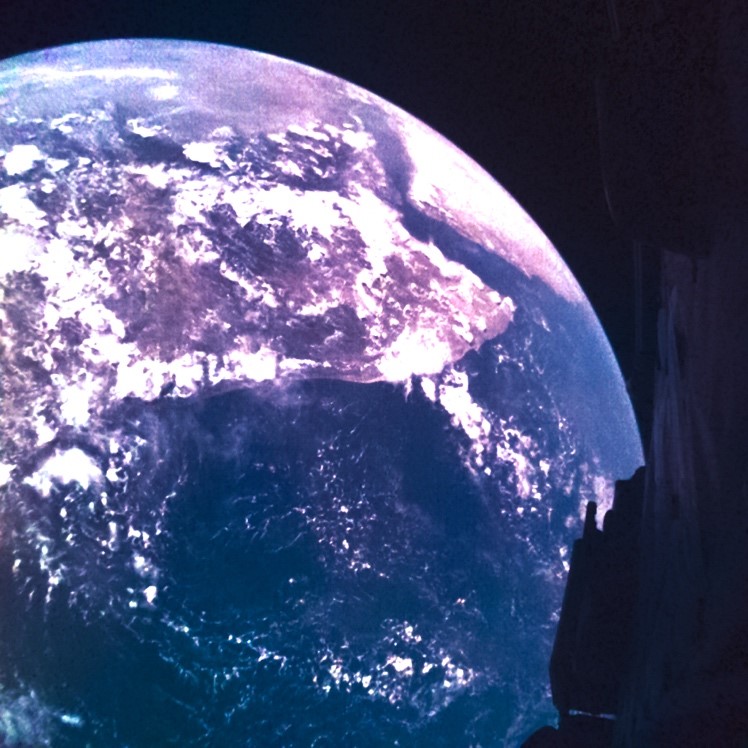
Juice spacecraft views offer clear insights into Earth and Moon

Juice spacecraft views have captured breathtaking images of our planet and its moon. This remarkable achievement highlights the capabilities of modern space exploration technology.

Overview of Juice Spacecraft Mission

The Juice spacecraft, an acronym for Jupiter Icy Moons Explorer, has embarked on a groundbreaking mission to explore the largest planet in our solar system and its intriguing moons. Recently, it has provided stunning views of Earth and the Moon, offering scientists valuable data and insights.

Launched in April 2023, the Juice spacecraft is equipped with advanced instruments designed to study the icy worlds of Europa, Ganymede, and Callisto. These moons are believed to harbor subsurface oceans, making them prime candidates in the search for extraterrestrial life.

During its journey, Juice’s views of Earth and Moon serve multiple purposes:

  • Calibration: The imagery helps calibrate the spacecraft’s instruments for optimal performance.
  • Navigation: Clear views of our planet assist in precise navigation as it travels through the solar system.
  • Public Engagement: The captivating images generated interest and excitement about space exploration.

In summary, the Juice spacecraft views not only illuminate our own celestial neighborhood but also pave the way for deeper exploration of Jupiter’s enigmatic moons.

Significance of Earth and Moon Views

The Juice spacecraft has provided scientists with unprecedented views of Earth and the Moon, enhancing our understanding of both celestial bodies. These observations are crucial for several reasons.

  • Environmental Monitoring: The spacecraft’s imagery helps monitor changes in Earth’s climate and landscape, enabling researchers to track environmental shifts over time.
  • Moon Exploration: Detailed views of the Moon reveal its surface composition and geological history, which are essential for future exploration missions.
  • Enhanced Collaboration: The data collected promotes international collaboration among scientists, fostering shared knowledge and technological advancements.
  • Public Engagement: Captivating images from Juice inspire public interest in space exploration, prompting discussions about our planet and its satellite.

Overall, the Juice spacecraft views represent a significant leap in our ability to study Earth and the Moon, shedding light on their dynamics and interconnectedness. This mission not only deepens our scientific understanding but also paves the way for future explorations beyond our immediate neighborhood in the solar system.

Technological Advances in Space Imaging

The advancement of space imaging technology has significantly enhanced our understanding of celestial bodies. The Juice spacecraft views are a prime example of how cutting-edge instruments can capture high-resolution images of Earth and its Moon. These technological innovations have transformed the way scientists analyze planetary features and surface conditions.

Equipped with state-of-the-art cameras and sensors, the Juice spacecraft can collect data that is both detailed and accurate. This enables researchers to observe phenomena such as:

  • Atmospheric compositions
  • Surface geology
  • Crater formations
  • Water distribution

Such observations are crucial for understanding not only the history of our planet and its natural satellite but also their interactions over time. The Juice spacecraft views provide insights that were previously unattainable, paving the way for future exploration and study. As technology continues to evolve, the possibilities for space imaging become even more expansive, opening new frontiers in our quest for knowledge about the universe.

Public Reaction to Stunning Images

The recent release of images captured by the Juice spacecraft has sparked significant public interest and excitement. Social media platforms are abuzz with reactions from space enthusiasts and casual observers alike, all captivated by the stunning visuals of Earth and its Moon.

Many viewers expressed awe at the clarity and detail of the images, with some highlighting specific features like the Moon’s craters and Earth’s vibrant landscapes. “These images are a reminder of how beautiful our planet and its satellite are,” remarked one user on Twitter, echoing the sentiments of many.

In addition to personal reactions, scientists and educators have praised the Juice spacecraft views for their potential to enhance public understanding of space exploration. “Visuals like these not only inspire curiosity but also provide educational opportunities,” noted a science educator in a recent interview.

As discussions about the implications of these findings continue, it’s clear that the Juice spacecraft’s contributions extend beyond data collection; they are fostering a renewed interest in our place in the universe.

Future of Space Exploration

The recent Juice spacecraft views have not only captivated the public but also paved the way for future advancements in space exploration. As scientists analyze the stunning images captured by the spacecraft, they are uncovering valuable data that could inform upcoming missions. This groundbreaking work enhances our understanding of celestial bodies and their interactions within our solar system.

Future missions are likely to build on the insights gained from the Juice spacecraft views. These missions may focus on:

  • Enhanced Imaging Technologies: Continued development of advanced imaging systems will allow for more detailed observations of distant planets and moons.
  • Interplanetary Collaboration: International partnerships could emerge, fostering shared knowledge and resources among space agencies.
  • Broader Scientific Goals: Future projects may aim to explore potential habitability of other celestial bodies, inspired by findings from Juice’s observations.

Ultimately, the Juice spacecraft views signify not just a moment in time, but a crucial stepping stone toward a more comprehensive understanding of our universe.

By ESA/Juice/JCAM via Openverse

Sources

You might also like