
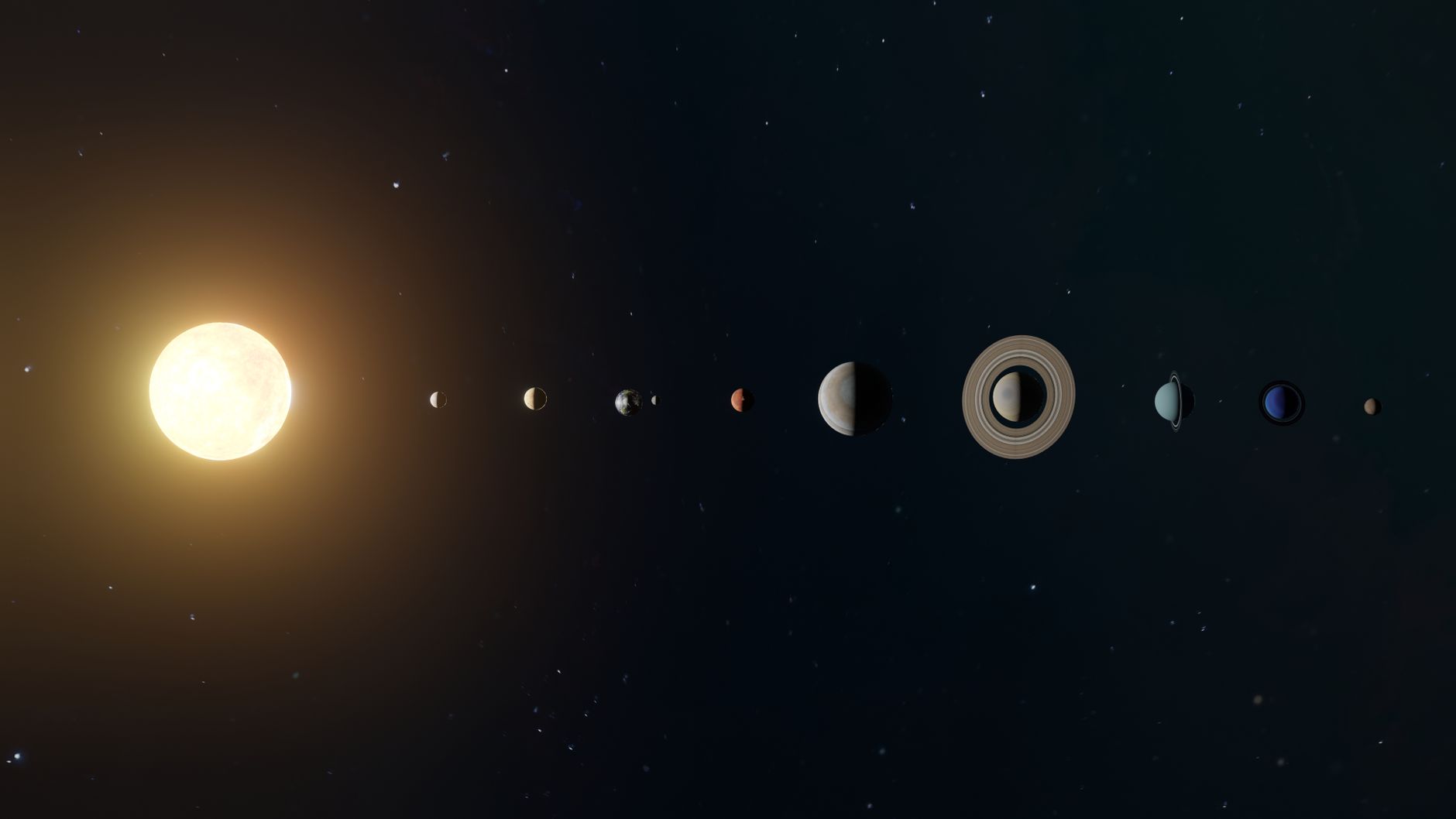

Venus Hotter Than Mercury: The Real Reasons Explained
Venus hotter than Mercury is a fascinating topic that challenges our understanding of planetary temperatures. Despite being farther from the Sun, Venus experiences extreme heat due to its thick atmosphere and greenhouse gases.
Understanding Planetary Temperatures
The temperatures of planets in our solar system can be surprising, especially when considering their distances from the Sun. Venus is hotter than Mercury, despite being further away. This phenomenon can be attributed to several key factors.
Firstly, Venus has a thick atmosphere composed mainly of carbon dioxide, which creates a strong greenhouse effect. This traps heat and raises surface temperatures significantly. In contrast, Mercury has a very thin atmosphere, which allows heat to escape into space.
Additionally, Venus is covered in clouds of sulfuric acid, which also contribute to the planet’s high temperatures by reflecting sunlight. The surface of Venus can reach scorching highs of around 900 degrees Fahrenheit (475 degrees Celsius), while Mercury, despite its proximity to the Sun, has a more moderate temperature range due to its lack of atmospheric insulation.
In summary, the combination of Venus’ dense atmosphere and reflective cloud cover plays a crucial role in making it hotter than Mercury.
The Greenhouse Effect Explained
The greenhouse effect is a critical factor in understanding why Venus is hotter than Mercury, despite its greater distance from the Sun. This phenomenon occurs when certain gases in a planet’s atmosphere trap heat, preventing it from escaping back into space.
On Venus, a thick atmosphere rich in carbon dioxide creates a powerful greenhouse effect, resulting in surface temperatures that soar well above those of Mercury. Here are some key aspects of the greenhouse effect on Venus:
- Carbon Dioxide Levels: Venus has about 96.5% carbon dioxide, leading to extreme heat retention.
- Cloud Cover: The dense cloud cover composed of sulfuric acid reflects sunlight, but also traps heat underneath.
- Surface Pressure: The atmospheric pressure on Venus is about 92 times that of Earth, further intensifying the heat.
These factors combined create a hellish environment, making Venus the hottest planet in our solar system.
Atmospheric Composition of Venus
The atmospheric composition of Venus plays a crucial role in why it is hotter than Mercury, despite being farther from the Sun. Venus has a thick atmosphere primarily composed of carbon dioxide, with clouds of sulfuric acid, which contribute to its extreme temperatures.
Some key factors include:
- High Carbon Dioxide Levels: The dense carbon dioxide traps heat through the greenhouse effect, raising surface temperatures to around 900 degrees Fahrenheit.
- Pressure: The atmospheric pressure on Venus is about 92 times that of Earth, creating a strong insulating layer that prevents heat from escaping.
- Lack of Water Vapor: Unlike Earth, Venus lacks significant water vapor, which can moderate temperatures; instead, the thick atmosphere amplifies the heat.
These elements work together to ensure that Venus remains hotter than Mercury, illustrating the complexities of planetary atmospheres and their impact on temperature.
Mercury’s Lack of Atmosphere
Mercury’s lack of atmosphere plays a crucial role in its temperature regulation. Unlike Venus, which has a thick atmosphere that traps heat, Mercury is almost devoid of any significant atmosphere. This absence means that there is no medium to hold onto the heat it receives from the Sun. As a result, temperatures on Mercury can fluctuate dramatically, soaring to highs of about 800 degrees Fahrenheit (427 degrees Celsius) during the day and plummeting to around -330 degrees Fahrenheit (-201 degrees Celsius) at night.
In contrast, Venus is hotter than Mercury due to its dense atmosphere composed mainly of carbon dioxide, which creates a powerful greenhouse effect. This effect allows Venus to maintain a consistent, scorching temperature, even though it is situated farther from the Sun. The stark difference in atmospheric conditions between these two planets highlights the significant impact that an atmosphere can have on planetary temperatures.
Why Distance Isn’t Everything
While it may seem intuitive that a planet closer to the Sun would be hotter, the case of Venus being hotter than Mercury reveals a more complex reality. The distance from the Sun is only one factor influencing planetary temperatures.
Several key elements contribute to this phenomenon:
- Atmospheric Pressure: Venus has a thick atmosphere composed primarily of carbon dioxide, resulting in extreme pressure that traps heat.
- Greenhouse Effect: The greenhouse gases in Venus’s atmosphere create a runaway effect, significantly raising surface temperatures.
- Surface Conditions: Unlike Mercury, which has a barren landscape, Venus’s surface is covered in volcanic plains and mountains that retain heat effectively.
These factors illustrate that Venus is indeed hotter than Mercury, despite being further from the Sun, emphasizing that distance isn’t everything when it comes to planetary temperatures.
Surprising Facts About Venus
Venus, often referred to as Earth’s “sister planet,” holds several surprising facts that contribute to its extreme temperatures. Despite being the second planet from the Sun, it is, in fact, hotter than Mercury, which is closest to the Sun. This phenomenon can be attributed to several key characteristics of Venus.
- Thick Atmosphere: Venus possesses a dense atmosphere rich in carbon dioxide, creating a powerful greenhouse effect that traps heat.
- Surface Pressure: The atmospheric pressure on Venus is about 92 times that of Earth, further intensifying the heat.
- Cloud Cover: The clouds of sulfuric acid not only reflect sunlight but also keep the heat from escaping.
- Volcanic Activity: Some scientists believe that ongoing volcanic activity may also contribute to the planet’s high surface temperatures.
These unique features make Venus a scorching enigma in our solar system.
How Heat Retention Works
Heat retention on Venus is primarily due to its dense atmosphere, which is rich in greenhouse gases. This thick layer of carbon dioxide traps heat effectively, creating an extreme greenhouse effect that significantly raises surface temperatures. In fact, Venus is hotter than Mercury, despite being farther from the Sun.
The average temperature on Venus hovers around 900 degrees Fahrenheit (about 475 degrees Celsius), while Mercury, with its thin atmosphere, experiences dramatic temperature fluctuations. During the day, Mercury can reach temperatures of up to 800 degrees Fahrenheit (around 427 degrees Celsius), but at night, it can drop to about -330 degrees Fahrenheit (approximately -201 degrees Celsius).
This stark difference is largely due to how each planet retains heat. Venus’s robust atmosphere ensures that it retains heat efficiently, while Mercury’s lack of a substantial atmosphere allows heat to escape rapidly.
Comparing Venus and Mercury
When comparing Venus and Mercury, it may come as a surprise that Venus is hotter than Mercury, despite being farther from the Sun. This phenomenon can be attributed to several key factors that influence each planet’s temperature and climate.
- Atmospheric Thickness: Venus possesses a thick atmosphere composed mostly of carbon dioxide, which creates a strong greenhouse effect, trapping heat effectively.
- Surface Pressure: The atmospheric pressure on Venus is about 92 times greater than that of Earth, contributing to its extreme surface temperatures.
- Solar Radiation: While Mercury receives more direct sunlight due to its proximity to the Sun, it lacks the ability to retain heat, causing temperature fluctuations.
- Heat Distribution: Venus maintains a more uniform temperature across its surface, unlike Mercury, which experiences drastic temperature changes between day and night.
These factors collectively explain why Venus is hotter than Mercury, showcasing the complexity of planetary climates.
Despite being farther from the Sun, scientists have found that Venus hotter than Mercury is primarily due to its thick atmosphere, which traps heat. Additionally, the greenhouse gases present on Venus contribute significantly to making Venus hotter than Mercury.
Photo by Zelch Csaba on Pexels