Juice spacecraft views offer clear insights into Earth and Moon

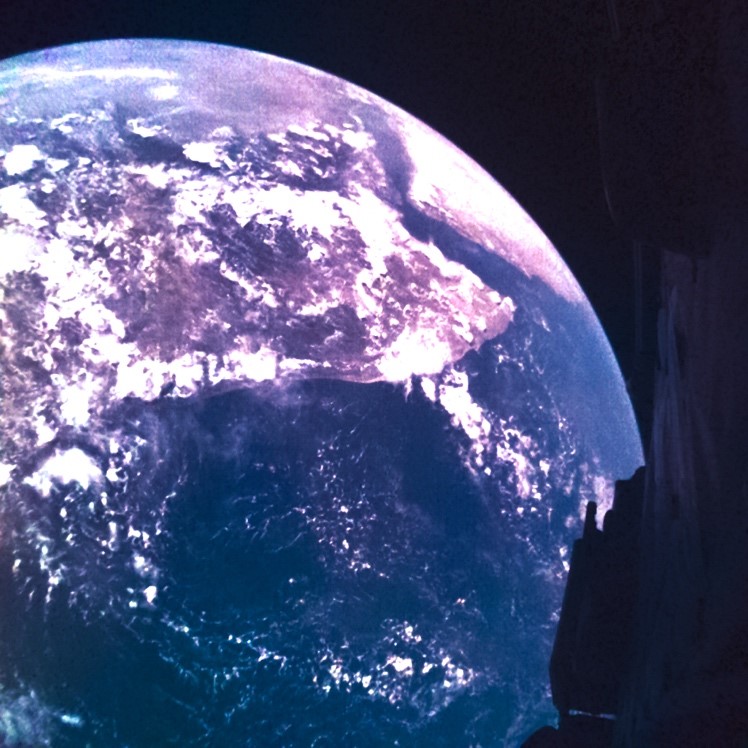
Juice spacecraft views have captured breathtaking images of our planet and its moon. This remarkable achievement highlights the capabilities of modern space exploration technology.

Overview of Juice Spacecraft Mission

The Juice spacecraft, an acronym for Jupiter Icy Moons Explorer, has embarked on a groundbreaking mission to explore the largest planet in our solar system and its intriguing moons. Recently, it has provided stunning views of Earth and the Moon, offering scientists valuable data and insights.

Launched in April 2023, the Juice spacecraft is equipped with advanced instruments designed to study the icy worlds of Europa, Ganymede, and Callisto. These moons are believed to harbor subsurface oceans, making them prime candidates in the search for extraterrestrial life.

During its journey, Juice’s views of Earth and Moon serve multiple purposes:

  • Calibration: The imagery helps calibrate the spacecraft’s instruments for optimal performance.
  • Navigation: Clear views of our planet assist in precise navigation as it travels through the solar system.
  • Public Engagement: The captivating images generated interest and excitement about space exploration.

In summary, the Juice spacecraft views not only illuminate our own celestial neighborhood but also pave the way for deeper exploration of Jupiter’s enigmatic moons.

Significance of Earth and Moon Views

The Juice spacecraft has provided scientists with unprecedented views of Earth and the Moon, enhancing our understanding of both celestial bodies. These observations are crucial for several reasons.

  • Environmental Monitoring: The spacecraft’s imagery helps monitor changes in Earth’s climate and landscape, enabling researchers to track environmental shifts over time.
  • Moon Exploration: Detailed views of the Moon reveal its surface composition and geological history, which are essential for future exploration missions.
  • Enhanced Collaboration: The data collected promotes international collaboration among scientists, fostering shared knowledge and technological advancements.
  • Public Engagement: Captivating images from Juice inspire public interest in space exploration, prompting discussions about our planet and its satellite.

Overall, the Juice spacecraft views represent a significant leap in our ability to study Earth and the Moon, shedding light on their dynamics and interconnectedness. This mission not only deepens our scientific understanding but also paves the way for future explorations beyond our immediate neighborhood in the solar system.

Technological Advances in Space Imaging

The advancement of space imaging technology has significantly enhanced our understanding of celestial bodies. The Juice spacecraft views are a prime example of how cutting-edge instruments can capture high-resolution images of Earth and its Moon. These technological innovations have transformed the way scientists analyze planetary features and surface conditions.

Equipped with state-of-the-art cameras and sensors, the Juice spacecraft can collect data that is both detailed and accurate. This enables researchers to observe phenomena such as:

  • Atmospheric compositions
  • Surface geology
  • Crater formations
  • Water distribution

Such observations are crucial for understanding not only the history of our planet and its natural satellite but also their interactions over time. The Juice spacecraft views provide insights that were previously unattainable, paving the way for future exploration and study. As technology continues to evolve, the possibilities for space imaging become even more expansive, opening new frontiers in our quest for knowledge about the universe.

Public Reaction to Stunning Images

The recent release of images captured by the Juice spacecraft has sparked significant public interest and excitement. Social media platforms are abuzz with reactions from space enthusiasts and casual observers alike, all captivated by the stunning visuals of Earth and its Moon.

Many viewers expressed awe at the clarity and detail of the images, with some highlighting specific features like the Moon’s craters and Earth’s vibrant landscapes. “These images are a reminder of how beautiful our planet and its satellite are,” remarked one user on Twitter, echoing the sentiments of many.

In addition to personal reactions, scientists and educators have praised the Juice spacecraft views for their potential to enhance public understanding of space exploration. “Visuals like these not only inspire curiosity but also provide educational opportunities,” noted a science educator in a recent interview.

As discussions about the implications of these findings continue, it’s clear that the Juice spacecraft’s contributions extend beyond data collection; they are fostering a renewed interest in our place in the universe.

Future of Space Exploration

The recent Juice spacecraft views have not only captivated the public but also paved the way for future advancements in space exploration. As scientists analyze the stunning images captured by the spacecraft, they are uncovering valuable data that could inform upcoming missions. This groundbreaking work enhances our understanding of celestial bodies and their interactions within our solar system.

Future missions are likely to build on the insights gained from the Juice spacecraft views. These missions may focus on:

  • Enhanced Imaging Technologies: Continued development of advanced imaging systems will allow for more detailed observations of distant planets and moons.
  • Interplanetary Collaboration: International partnerships could emerge, fostering shared knowledge and resources among space agencies.
  • Broader Scientific Goals: Future projects may aim to explore potential habitability of other celestial bodies, inspired by findings from Juice’s observations.

Ultimately, the Juice spacecraft views signify not just a moment in time, but a crucial stepping stone toward a more comprehensive understanding of our universe.

By ESA/Juice/JCAM via Openverse

Sources

You might also like

NASA telescope failure: What went wrong and why it matters?

NASA telescope failure has left many wondering about the future of space exploration. A private spacecraft’s inability to rescue the aging telescope has sparked discussions on technological advancements and mission planning.

Introduction to the NASA telescope

The recent NASA telescope failure has raised significant concerns within the scientific community and among space enthusiasts. This incident came to light when a private spacecraft, which was tasked with rescuing the aging telescope, burned up upon re-entry into Earth’s atmosphere, leaving the future of the telescope uncertain.

The telescope, which has been a vital tool in astronomical research, was designed to capture high-resolution images of distant celestial bodies and phenomena. Over the years, it has contributed to numerous discoveries, expanding our understanding of the universe. However, as technology progresses, the equipment ages, leading to increased maintenance challenges and operational risks.

Key factors contributing to the telescope’s decline include:

  • Technological obsolescence: The components are outdated, making repairs increasingly difficult.
  • Funding constraints: Budget limitations have hampered necessary upgrades and maintenance efforts.
  • Operational challenges: The wear and tear from years of exposure to harsh space conditions have taken a toll on its functionality.

This NASA telescope failure highlights the importance of ongoing investment in space exploration technology, as each setback poses a risk to future discoveries in astronomy.

What caused the spacecraft failure?

The failure of the NASA telescope can be attributed to a combination of technical malfunctions and unforeseen challenges during its operational phase. Initially, the spacecraft experienced a critical system error that compromised its ability to communicate with ground control.

Experts have identified several key factors that contributed to the failure:

  • System Malfunctions: The spacecraft’s onboard systems, designed to function in extreme conditions, encountered unexpected technical glitches that disrupted its mission.
  • Aging Components: Many of the telescope’s parts were aging and susceptible to wear and tear, which ultimately led to a series of failures that could not be resolved in time.
  • Environmental Factors: Harsh atmospheric conditions and debris in orbit posed additional threats that the mission had not adequately accounted for.
  • Inadequate Backup Systems: The lack of robust backup systems meant that once a primary system failed, there were few options to maintain functionality.

The implications of this NASA telescope failure extend beyond just a single mission. It raises concerns about the future of space exploration and the reliability of similar projects, ultimately affecting scientific research and technological advancements in the field.

Impact of the failure on future missions

The recent NASA telescope failure has raised significant concerns about the future of space exploration and the implications for upcoming missions. The inability to rescue the aging telescope from its deteriorating orbit could delay critical scientific research and limit our understanding of the universe.

Experts argue that this failure presents a learning opportunity for NASA and its partners. Key impacts include:

  • Delayed Science Goals: The telescope was instrumental in gathering data that informs our knowledge of celestial bodies. Its failure means a halt in data collection, pushing back timelines for ongoing research projects.
  • Increased Costs: The failure may lead to higher costs for future missions as NASA reassesses and reallocates budgets to address the shortfall in data and potential design improvements.
  • Technological Re-evaluation: This incident could prompt a review of spacecraft design and operational protocols, ensuring that future missions have contingency plans in place to prevent similar failures.

Ultimately, the NASA telescope failure not only impacts current research but also serves as a critical reminder of the challenges inherent in space exploration. The lessons learned will be vital for enhancing the resilience and success of future missions.

Public reaction to the NASA telescope news

The recent news of the NASA telescope failure has sparked a wave of reactions from the public and space enthusiasts alike. Many are expressing their disappointment over the loss of a significant scientific tool that was expected to contribute to our understanding of the universe.

Social media platforms have become hotbeds for discussions, with users sharing their thoughts and feelings about the incident. Some have taken a more analytical approach, questioning the decision-making and planning processes that led to the telescope’s demise. One Twitter user remarked, “It’s a significant setback for NASA; we need to learn from this failure to ensure future missions succeed.”

Others are voicing support for NASA, emphasizing that setbacks are a part of scientific exploration. One enthusiastic supporter stated, “Every mission teaches us something, even in failure. We must keep pushing the boundaries of our knowledge.” This sentiment reflects a broader understanding of the challenges inherent in space exploration.

Furthermore, experts in the field have commented on the implications of the telescope’s failure, highlighting the importance of resilience in space science. As discussions continue, it is clear that the NASA telescope failure has struck a chord with many, prompting a mix of frustration, support, and hope for future endeavors.

Technological implications for space exploration

The recent NASA telescope failure has significant technological implications for future space exploration endeavors. As scientists and engineers analyze the circumstances surrounding this incident, several key areas of concern and potential improvement have emerged.

Firstly, the failure highlights the need for enhanced reliability in spacecraft design. Many missions rely on complex systems that must work in harmony. The breakdown of one component can lead to a cascade of failures, as seen with the aging NASA telescope. To mitigate this risk, future designs may incorporate more robust backup systems and redundant technologies.

Secondly, the incident underscores the importance of advanced materials and engineering techniques. As telescopes and spacecraft are subjected to harsh conditions in space, utilizing cutting-edge materials can improve durability and performance. Innovations in thermal protection systems, for example, could prevent overheating and malfunction during critical phases of a mission.

Moreover, the NASA telescope failure may accelerate the push for automated systems and artificial intelligence in space exploration. These technologies can enhance real-time decision-making, potentially reducing reliance on human intervention and providing quicker responses to unforeseen challenges.

In conclusion, the implications of this failure extend beyond immediate setbacks; they present a vital opportunity to rethink and advance the technologies that power our exploration of the cosmos.

Lessons learned from the incident

The recent NASA telescope failure offers crucial lessons for both current and future space missions. Understanding these lessons is vital for preventing similar incidents and enhancing the reliability of space technology.

Firstly, thorough testing protocols must be prioritized. In this case, the telescope’s systems showed vulnerabilities that could have been identified through more rigorous pre-launch evaluations. Implementing a more stringent testing framework could help detect potential issues early in the development phase.

Secondly, the importance of redundancy in spacecraft systems cannot be overstated. The failure revealed that critical systems lacked backups, which might have mitigated the impact of the malfunction. Future designs should incorporate multiple layers of fail-safes to ensure that a single point of failure does not jeopardize entire missions.

Moreover, effective communication channels between teams are essential. The incident highlighted gaps in information sharing that delayed response times and decision-making processes. Establishing clear protocols for collaboration can enhance problem-solving efficiency during emergencies.

Finally, this incident stresses the need for continuous learning within the aerospace community. By analyzing the NASA telescope failure, engineers and scientists can adapt best practices and innovate solutions to strengthen mission resilience and reliability for upcoming space explorations.

Future of private space missions

The recent NASA telescope failure has sparked discussions about the future of private space missions. As commercial spaceflight continues to evolve, the ability of private companies to support or even replace aging government assets is becoming increasingly critical.

Many private companies are now exploring ways to partner with NASA and other space agencies. These collaborations could enhance capabilities for satellite servicing, debris removal, and even more ambitious missions beyond Earth. However, the incident with the NASA telescope emphasizes the inherent risks associated with relying on private enterprises for vital space technologies.

Some of the key areas of focus for private space missions include:

  • Satellite Servicing: Companies are developing technologies to extend the life of aging satellites, which could help prevent future failures similar to the NASA telescope.
  • Debris Management: The growing issue of space debris poses a threat to operational missions, making debris removal a priority for private ventures.
  • Advanced Launch Systems: Innovations in launch technology could reduce costs and improve reliability, benefiting both commercial and governmental missions.

Ultimately, the NASA telescope failure serves as a cautionary tale, reminding stakeholders of the complexities and challenges faced in the push toward a more privatized space exploration landscape.

By NASA Goddard Photo and Video via Openverse

References

Related stories

Venus Hotter Than Mercury: The Real Reasons Explained

Venus hotter than Mercury is a fascinating topic that challenges our understanding of planetary temperatures. Despite being farther from the Sun, Venus experiences extreme heat due to its thick atmosphere and greenhouse gases.

Understanding Planetary Temperatures

The temperatures of planets in our solar system can be surprising, especially when considering their distances from the Sun. Venus is hotter than Mercury, despite being further away. This phenomenon can be attributed to several key factors.

Firstly, Venus has a thick atmosphere composed mainly of carbon dioxide, which creates a strong greenhouse effect. This traps heat and raises surface temperatures significantly. In contrast, Mercury has a very thin atmosphere, which allows heat to escape into space.

Additionally, Venus is covered in clouds of sulfuric acid, which also contribute to the planet’s high temperatures by reflecting sunlight. The surface of Venus can reach scorching highs of around 900 degrees Fahrenheit (475 degrees Celsius), while Mercury, despite its proximity to the Sun, has a more moderate temperature range due to its lack of atmospheric insulation.

In summary, the combination of Venus’ dense atmosphere and reflective cloud cover plays a crucial role in making it hotter than Mercury.

The Greenhouse Effect Explained

The greenhouse effect is a critical factor in understanding why Venus is hotter than Mercury, despite its greater distance from the Sun. This phenomenon occurs when certain gases in a planet’s atmosphere trap heat, preventing it from escaping back into space.

On Venus, a thick atmosphere rich in carbon dioxide creates a powerful greenhouse effect, resulting in surface temperatures that soar well above those of Mercury. Here are some key aspects of the greenhouse effect on Venus:

  • Carbon Dioxide Levels: Venus has about 96.5% carbon dioxide, leading to extreme heat retention.
  • Cloud Cover: The dense cloud cover composed of sulfuric acid reflects sunlight, but also traps heat underneath.
  • Surface Pressure: The atmospheric pressure on Venus is about 92 times that of Earth, further intensifying the heat.

These factors combined create a hellish environment, making Venus the hottest planet in our solar system.

Atmospheric Composition of Venus

The atmospheric composition of Venus plays a crucial role in why it is hotter than Mercury, despite being farther from the Sun. Venus has a thick atmosphere primarily composed of carbon dioxide, with clouds of sulfuric acid, which contribute to its extreme temperatures.

Some key factors include:

  • High Carbon Dioxide Levels: The dense carbon dioxide traps heat through the greenhouse effect, raising surface temperatures to around 900 degrees Fahrenheit.
  • Pressure: The atmospheric pressure on Venus is about 92 times that of Earth, creating a strong insulating layer that prevents heat from escaping.
  • Lack of Water Vapor: Unlike Earth, Venus lacks significant water vapor, which can moderate temperatures; instead, the thick atmosphere amplifies the heat.

These elements work together to ensure that Venus remains hotter than Mercury, illustrating the complexities of planetary atmospheres and their impact on temperature.

Mercury’s Lack of Atmosphere

Mercury’s lack of atmosphere plays a crucial role in its temperature regulation. Unlike Venus, which has a thick atmosphere that traps heat, Mercury is almost devoid of any significant atmosphere. This absence means that there is no medium to hold onto the heat it receives from the Sun. As a result, temperatures on Mercury can fluctuate dramatically, soaring to highs of about 800 degrees Fahrenheit (427 degrees Celsius) during the day and plummeting to around -330 degrees Fahrenheit (-201 degrees Celsius) at night.

In contrast, Venus is hotter than Mercury due to its dense atmosphere composed mainly of carbon dioxide, which creates a powerful greenhouse effect. This effect allows Venus to maintain a consistent, scorching temperature, even though it is situated farther from the Sun. The stark difference in atmospheric conditions between these two planets highlights the significant impact that an atmosphere can have on planetary temperatures.

Why Distance Isn’t Everything

While it may seem intuitive that a planet closer to the Sun would be hotter, the case of Venus being hotter than Mercury reveals a more complex reality. The distance from the Sun is only one factor influencing planetary temperatures.

Several key elements contribute to this phenomenon:

  • Atmospheric Pressure: Venus has a thick atmosphere composed primarily of carbon dioxide, resulting in extreme pressure that traps heat.
  • Greenhouse Effect: The greenhouse gases in Venus’s atmosphere create a runaway effect, significantly raising surface temperatures.
  • Surface Conditions: Unlike Mercury, which has a barren landscape, Venus’s surface is covered in volcanic plains and mountains that retain heat effectively.

These factors illustrate that Venus is indeed hotter than Mercury, despite being further from the Sun, emphasizing that distance isn’t everything when it comes to planetary temperatures.

Surprising Facts About Venus

Venus, often referred to as Earth’s “sister planet,” holds several surprising facts that contribute to its extreme temperatures. Despite being the second planet from the Sun, it is, in fact, hotter than Mercury, which is closest to the Sun. This phenomenon can be attributed to several key characteristics of Venus.

  • Thick Atmosphere: Venus possesses a dense atmosphere rich in carbon dioxide, creating a powerful greenhouse effect that traps heat.
  • Surface Pressure: The atmospheric pressure on Venus is about 92 times that of Earth, further intensifying the heat.
  • Cloud Cover: The clouds of sulfuric acid not only reflect sunlight but also keep the heat from escaping.
  • Volcanic Activity: Some scientists believe that ongoing volcanic activity may also contribute to the planet’s high surface temperatures.

These unique features make Venus a scorching enigma in our solar system.

How Heat Retention Works

Heat retention on Venus is primarily due to its dense atmosphere, which is rich in greenhouse gases. This thick layer of carbon dioxide traps heat effectively, creating an extreme greenhouse effect that significantly raises surface temperatures. In fact, Venus is hotter than Mercury, despite being farther from the Sun.

The average temperature on Venus hovers around 900 degrees Fahrenheit (about 475 degrees Celsius), while Mercury, with its thin atmosphere, experiences dramatic temperature fluctuations. During the day, Mercury can reach temperatures of up to 800 degrees Fahrenheit (around 427 degrees Celsius), but at night, it can drop to about -330 degrees Fahrenheit (approximately -201 degrees Celsius).

This stark difference is largely due to how each planet retains heat. Venus’s robust atmosphere ensures that it retains heat efficiently, while Mercury’s lack of a substantial atmosphere allows heat to escape rapidly.

Comparing Venus and Mercury

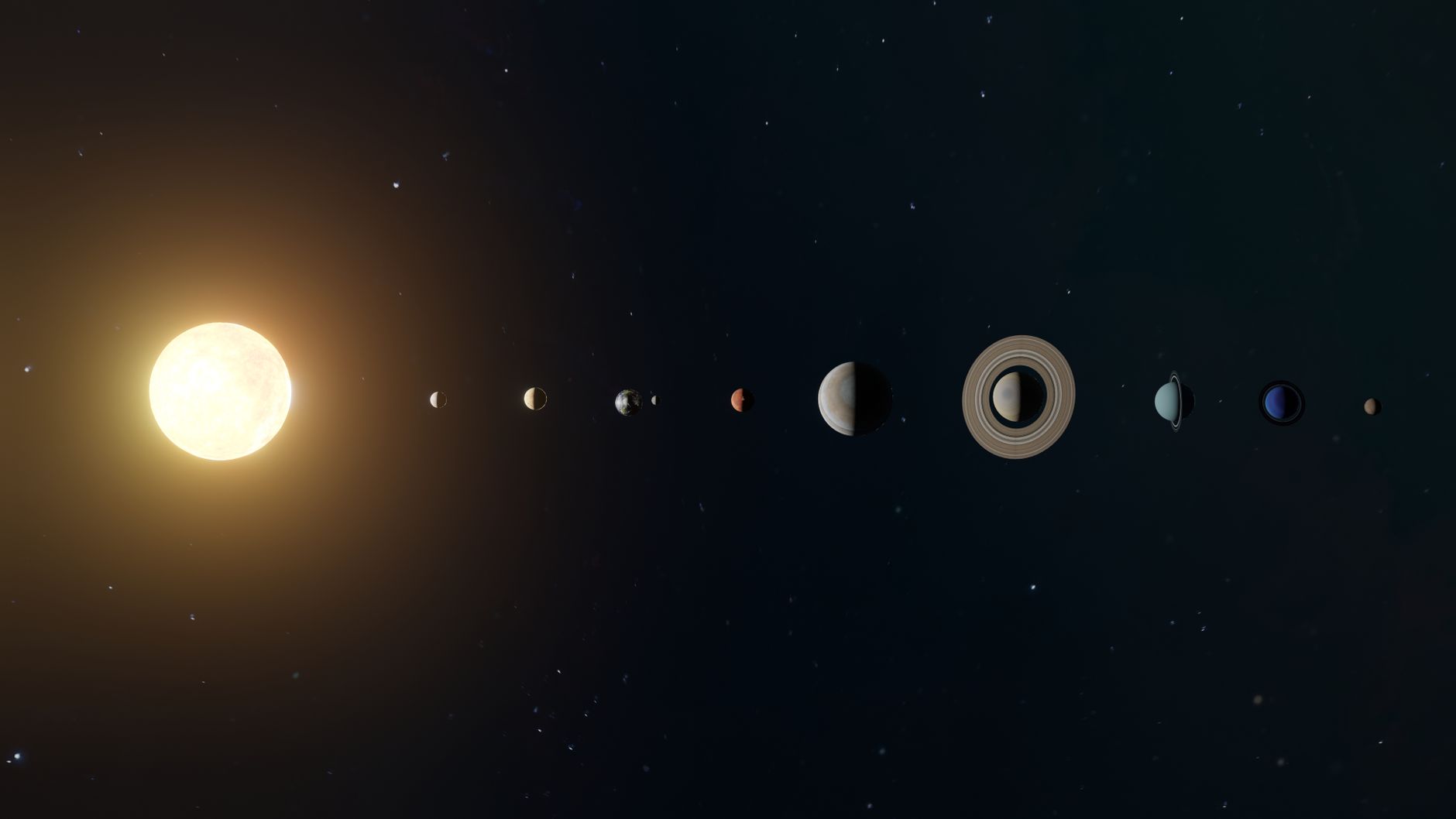
When comparing Venus and Mercury, it may come as a surprise that Venus is hotter than Mercury, despite being farther from the Sun. This phenomenon can be attributed to several key factors that influence each planet’s temperature and climate.

  • Atmospheric Thickness: Venus possesses a thick atmosphere composed mostly of carbon dioxide, which creates a strong greenhouse effect, trapping heat effectively.
  • Surface Pressure: The atmospheric pressure on Venus is about 92 times greater than that of Earth, contributing to its extreme surface temperatures.
  • Solar Radiation: While Mercury receives more direct sunlight due to its proximity to the Sun, it lacks the ability to retain heat, causing temperature fluctuations.
  • Heat Distribution: Venus maintains a more uniform temperature across its surface, unlike Mercury, which experiences drastic temperature changes between day and night.

These factors collectively explain why Venus is hotter than Mercury, showcasing the complexity of planetary climates.

Despite being farther from the Sun, scientists have found that Venus hotter than Mercury is primarily due to its thick atmosphere, which traps heat. Additionally, the greenhouse gases present on Venus contribute significantly to making Venus hotter than Mercury.

Photo by Zelch Csaba on Pexels

References

You might also like