

Autoimmune Conditions Psychological: Clear Insights on Misdiagnosis
Autoimmune conditions psychological are a significant concern for many women. Research indicates that these conditions are frequently misdiagnosed, leading to a lack of proper treatment and understanding.
Understanding Autoimmune Conditions
Autoimmune conditions are complex disorders where the immune system mistakenly attacks the body’s own tissues. These conditions can affect various organs and systems, causing a wide range of symptoms that may overlap with other health issues. Understanding the nature of autoimmune diseases is crucial, especially when considering the psychological aspects related to their diagnosis.
Recent studies indicate a troubling trend: women are often more likely to be told that their autoimmune conditions are psychological rather than being given a proper diagnosis. This misdiagnosis can lead to significant delays in treatment and a lack of appropriate care. The symptoms of autoimmune disorders, such as fatigue, joint pain, and cognitive issues, can sometimes be dismissed as stress or anxiety, further complicating the situation.
It is essential to recognize that autoimmune conditions are legitimate medical issues that require appropriate attention. Mislabeling these conditions as psychological can undermine the experiences of patients, leaving them feeling invalidated. Moreover, this stigma can affect the way they seek treatment and engage with healthcare providers. To improve outcomes, a more comprehensive understanding of the interplay between autoimmune conditions and psychological factors is necessary.
- Autoimmune disorders can be systemic, affecting multiple body systems.
- Psychological factors may influence the perception of symptoms.
- Awareness and education can reduce misdiagnosis rates.
Psychological Misdiagnosis in Women
Recent studies have highlighted a troubling trend in the diagnosis of autoimmune conditions, particularly among women. There is a growing concern that symptoms associated with these conditions are often misdiagnosed as psychological issues. This phenomenon can lead to significant delays in appropriate treatment and exacerbate the patients’ physical and mental health struggles.
Women are frequently reported to experience a higher incidence of autoimmune disorders, yet their symptoms are often dismissed or attributed to psychological causes. This misdiagnosis can stem from various factors:
- Gender Bias: Medical professionals may unconsciously hold stereotypes that associate women’s health complaints with emotional or psychological issues.
- Lack of Awareness: Many healthcare providers may not be fully informed about the symptoms and manifestations of autoimmune conditions, leading to misinterpretation.
- Complex Symptoms: The overlapping symptoms of autoimmune diseases and psychological disorders can complicate accurate diagnosis.
As a result, women suffering from these conditions often face stigmatization, and their genuine health concerns are minimized. Addressing the psychological misdiagnosis in women is crucial in ensuring that those with autoimmune conditions receive the necessary care and recognition they deserve. Recognizing the interplay between autoimmune conditions and psychological aspects is essential for effective treatment and support.
The Impact of Misdiagnosis
The impact of misdiagnosis in autoimmune conditions can be profound, particularly when psychological aspects are incorrectly emphasized. Many patients, especially women, find themselves navigating a complex landscape where their symptoms are often dismissed or attributed solely to psychological issues.
Research indicates that women are significantly more likely to be told that their autoimmune conditions are psychological in nature. This propensity for misdiagnosis can lead to a variety of negative outcomes, including:
- Delayed Treatment: When symptoms are attributed to psychological factors, patients may not receive the necessary medical interventions, prolonging their suffering.
- Increased Anxiety: Misdiagnosis can create feelings of frustration and helplessness, contributing to heightened anxiety and stress.
- Social Stigma: Patients may face skepticism from peers and healthcare providers, leading to social isolation and a lack of support.
- Worsening of Symptoms: Without appropriate treatment, autoimmune conditions can progress, exacerbating physical and emotional distress.
Understanding the psychological elements involved in autoimmune conditions is crucial. Acknowledging that these conditions can have both physical and psychological impacts may lead to better diagnostic practices and improved patient outcomes.
Seeking Proper Treatment
Seeking proper treatment for autoimmune conditions often becomes a complex journey, especially when psychological factors are misdiagnosed. Many individuals, particularly women, find themselves struggling to navigate a healthcare system that sometimes dismisses their physical symptoms as purely psychological. This misdiagnosis can lead to prolonged suffering and delays in receiving appropriate care.
It is crucial for patients to advocate for themselves and seek comprehensive evaluations from healthcare professionals who understand the intricate relationship between autoimmune conditions and psychological health. Here are some steps to consider when seeking proper treatment:
- Document Symptoms: Keep a detailed record of symptoms, their frequency, and intensity. This information can be invaluable during medical consultations.
- Seek Second Opinions: If you feel dismissed by a healthcare provider, don’t hesitate to seek a second opinion. Different perspectives can lead to a more accurate diagnosis.
- Educate Yourself: Knowledge about autoimmune conditions can empower patients to discuss their concerns more effectively with healthcare providers.
- Consider a Multidisciplinary Approach: Collaborating with specialists in both autoimmune diseases and mental health can provide a more holistic treatment plan.
By taking proactive steps, individuals can improve their chances of receiving the proper treatment they deserve, ensuring that both physical and psychological aspects of their health are addressed.
Expert Opinions on Autoimmune Disorders
Experts in the field of autoimmune disorders have raised concerns about the frequent misdiagnosis that many patients, particularly women, experience. According to Dr. Jane Miller, a leading rheumatologist, “There is a persistent bias that suggests autoimmune conditions are psychological, particularly in female patients.” This perspective can lead to significant delays in receiving appropriate treatment.
Dr. Adam Chen, a psychologist specializing in chronic illnesses, adds, “The stigma surrounding psychological interpretations of physical symptoms can result in patients feeling dismissed. It’s crucial to recognize that autoimmune conditions and their psychological impacts are intertwined, but not solely psychological.”
Experts emphasize the importance of a comprehensive approach to diagnosis that includes:
- Thorough medical evaluations: These should consider patient history and symptomatology comprehensively.
- Interdisciplinary collaboration: Combining insights from rheumatologists, psychologists, and other specialists can enhance diagnostic accuracy.
- Patient advocacy: Encouraging patients to voice their concerns can aid in the recognition of their experiences as valid and significant.
In conclusion, the prevailing belief that autoimmune conditions are primarily psychological undermines the complexity of these diseases. Addressing this misconception is essential for ensuring that patients receive the care and attention they truly need.
Understanding the relationship between autoimmune conditions psychological and mental health is crucial for accurate diagnosis. Many patients experience symptoms that can be mistakenly attributed to other mental health disorders, highlighting the importance of awareness in autoimmune conditions psychological.
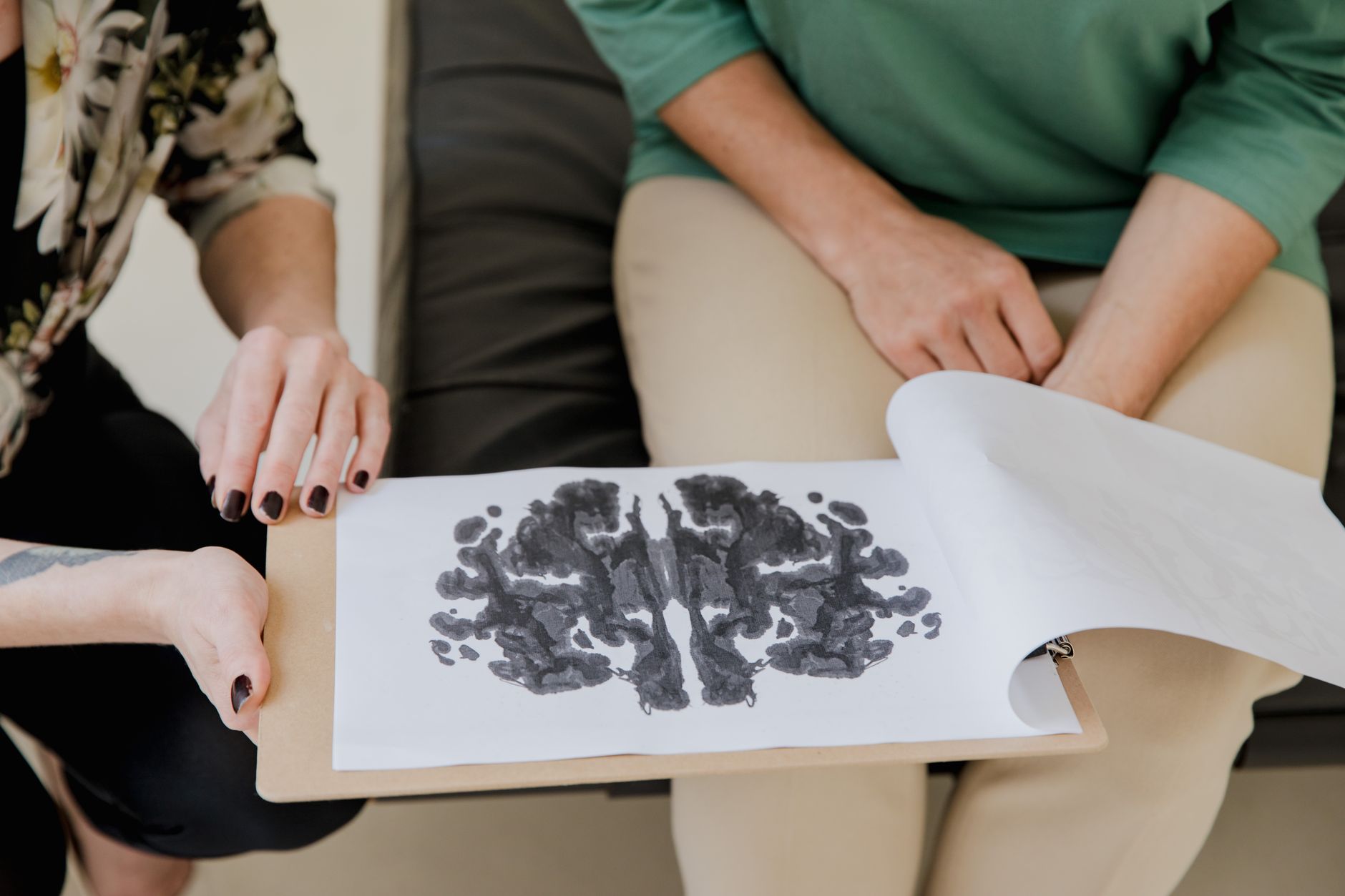
Photo by RDNE Stock project on Pexels