
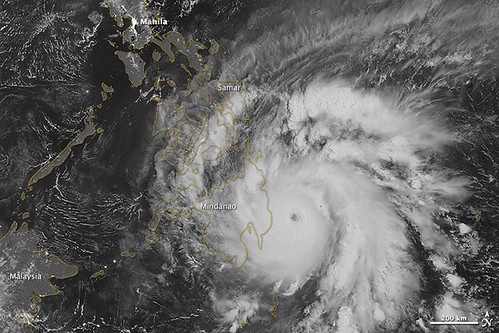

NASA wildfire weather study: Proven insights into fire clouds
NASA wildfire weather study is exploring the unique weather phenomena created by wildfires, particularly the formation of ‘fire clouds’. This project aims to understand the implications of these changes on our environment.
What are fire clouds?
Fire clouds, also known as pyrocumulus clouds, are a fascinating meteorological phenomenon often formed during intense wildfire activity. These clouds emerge when heat from the flames causes moisture in the air to rise rapidly, creating towering clouds that can influence local weather patterns significantly.
According to recent findings from the NASA wildfire weather study, fire clouds can produce lightning and even precipitation, which can, in turn, exacerbate or mitigate wildfires. These clouds are typically characterized by their dark appearance and can stretch high into the atmosphere, sometimes reaching altitudes of over 20,000 feet.
Understanding fire clouds is essential for predicting their impact on the environment, as they can lead to dangerous weather phenomena such as fire-induced thunderstorms, complicating firefighting efforts and posing risks to nearby communities.
How wildfires impact weather
Wildfires are not only destructive forces on the ground but also significantly influence weather patterns. As wildfires burn, they release vast amounts of smoke and heat, leading to the formation of unique weather phenomena known as fire clouds. These clouds can alter local atmospheric conditions, affecting temperature, humidity, and even precipitation. NASA’s wildfire weather study aims to understand these complex interactions by analyzing how fire clouds can modify weather systems.
Researchers have found that fire clouds can create powerful updrafts, which may lead to the development of thunderstorms, sometimes resulting in increased rainfall. However, this rainfall can also be erratic and unpredictable. The implications of these findings are crucial, as understanding how wildfires impact weather is essential for improving forecasting and response strategies during fire events.
Through advanced satellite technology, scientists are gaining valuable insights into these dynamics, ultimately helping to mitigate the consequences of wildfires.
The science behind fire clouds
The recent NASA wildfire weather study has unveiled the complex interactions between wildfires and the atmosphere. Fire clouds, formed by intense heat from wildfires, play a crucial role in influencing local weather patterns. These clouds can lead to the development of thunderstorms, affecting precipitation and wind conditions.
Researchers have identified several key characteristics of fire clouds:
- Formation: Fire clouds develop when rising smoke and heat create updrafts that cool and condense moisture in the air.
- Impact on Weather: They can produce lightning, which may ignite new fires, and alter rainfall distribution.
- Climate Feedback: The interaction between fire clouds and weather can contribute to broader climate changes.
Understanding these dynamics is essential for improving predictive models and enhancing wildfire management strategies.
NASA’s research objectives
NASA’s research objectives focus on understanding the complex interactions between wildfires and weather phenomena. The NASA wildfire weather study aims to uncover how fire clouds form and influence atmospheric conditions. By utilizing advanced satellite technology and airborne instruments, researchers seek to collect comprehensive data on the behavior of fire clouds and their effects on local and regional weather patterns.
Key objectives of the study include:
- Identifying the formation mechanisms of fire clouds.
- Assessing how these clouds alter precipitation patterns.
- Examining the impact of smoke and pollutants on air quality.
- Determining the relationship between wildfire intensity and atmospheric changes.
Through this research, NASA hopes to improve predictive models and enhance understanding of wildfire dynamics in the context of climate change.
Implications for climate change
The implications of the NASA wildfire weather study extend far beyond immediate fire management. As wildfires become more frequent and intense due to climate change, understanding their impact on weather patterns is crucial. The interactions between fire clouds and atmospheric conditions can exacerbate existing climate issues, potentially leading to more severe weather events.
Moreover, the insights gained from studying these phenomena may aid in predicting and mitigating the effects of wildfires on air quality and health. As fire clouds can influence rainfall and temperature, policymakers and environmentalists may need to adjust strategies for disaster preparedness and resource allocation.
In essence, the findings from NASA’s research not only enhance our understanding of fire clouds but also provide critical data that could inform climate action and adaptation efforts in an era of increasing environmental uncertainty.
Public safety and wildfire weather
The NASA wildfire weather study highlights the crucial connection between fire behavior and public safety. As wildfires become increasingly prevalent, understanding the weather phenomena they create is essential to protect communities and ecosystems.
Fire clouds, often formed by intense heat and smoke, can significantly alter local weather patterns, leading to conditions that exacerbate fire spread. This can pose serious risks to nearby populations and emergency responders. The study aims to provide valuable insights that can guide evacuation plans and firefighting strategies.
Experts emphasize the importance of real-time data collection and analysis to forecast the behavior of fire clouds and their potential impacts. By enhancing predictive models, the NASA wildfire weather study seeks to improve preparedness and response efforts, ultimately reducing the devastating effects of wildfires on human lives and property.
- Enhancing public safety through better forecasting
- Guiding evacuation and firefighting strategies
- Reducing risks associated with fire clouds
Expert opinions on the findings
Experts in meteorology and environmental science have weighed in on the recent NASA wildfire weather study, emphasizing its groundbreaking implications. Dr. Emily Tran, a leading climatologist, stated, “This research sheds light on the complex interactions between wildfires and atmospheric conditions, revealing how fire clouds can influence local weather patterns.”
Furthermore, Dr. James Kline, a wildfire management specialist, noted, “Understanding these dynamics is crucial for predicting fire behavior and improving our response strategies.” Experts agree that the study’s findings could enhance forecasting models, ultimately aiding in disaster preparedness.
Dr. Sarah Liu, an atmospheric scientist, added, “The insights from NASA’s work can help inform policies aimed at mitigating the impacts of wildfires on communities and ecosystems.” As wildfires become increasingly frequent, the need for such research is more pressing than ever.
Future of wildfire research
The future of wildfire research is poised for significant advancements, particularly through initiatives like the NASA wildfire weather study. As scientists delve deeper into the complex interactions between wildfires and atmospheric conditions, new technologies and methodologies will enhance our understanding of these phenomena.
Researchers are likely to focus on:
- Enhanced satellite monitoring: Utilizing advanced satellite systems to track fire clouds and weather patterns in real-time.
- Predictive modeling: Developing more accurate models to forecast wildfire behavior and its ensuing weather effects.
- Interdisciplinary collaboration: Engaging with climatologists, meteorologists, and ecologists to form a holistic view of wildfire impacts.
- Public engagement: Increasing awareness and education efforts regarding the implications of wildfire weather on communities.
These efforts will not only improve safety measures but also contribute to long-term climate resilience strategies.
The NASA wildfire weather study has revealed critical patterns in how fire clouds form and behave during extreme weather events. These findings from the NASA wildfire weather study are essential for improving predictive models for future wildfires.
By NASA Goddard Photo and Video via Openverse
Sources
You might also like
Congress demands more seats: Is it the right move? · M31-V1 star: The Best Proven Discovery in Astronomy · Operation Vivaldi: Is This the Best Move for Donbas?