
Winter Vacation for Nursery: Safe and Smart Decision Ahead

Winter Vacation for Nursery is currently under consideration as concerns grow over falling temperatures. The Education Minister has addressed the matter, highlighting the importance of student safety.

Education Minister’s Statement on Winter Vacation

The Education Minister recently addressed the ongoing discussions regarding the winter vacation for nursery students. With falling temperatures raising concerns for young learners, the minister emphasized the importance of prioritizing the health and safety of children during this season.

In a statement, the minister remarked, “We are actively considering a winter vacation for nursery to Class 5 students to ensure that they are not exposed to harsh weather conditions that can affect their well-being.” The decision comes as schools and parents voice their worries over the impact of extreme cold on young children, who are particularly vulnerable.

Key points from the minister’s address include:

  • Health Concerns: The minister noted that many parents have expressed anxiety about their children commuting to school in chilly conditions.
  • Educational Impact: While the focus is on safety, the minister assured that measures will be taken to ensure that educational activities are not significantly disrupted.
  • Consultation with Experts: The government plans to consult health experts and educational stakeholders before making a final decision.

The proposal for a winter vacation for nursery students is seen as a proactive approach to safeguard the health of young children, allowing families to make informed choices during the cold months ahead.

Concerns Over Falling Temperatures

As winter approaches, concerns over falling temperatures have sparked a heated discussion regarding the potential for a winter vacation for nursery students. Parents and educators alike are voicing their opinions on the impact of frigid weather on young children’s health and learning experiences.

The Education Minister has acknowledged these concerns, stating that the well-being of students is a top priority. With temperatures expected to drop significantly, many believe that a winter vacation for nursery classes might be a necessary and prudent measure. The potential risks associated with sending young children to school in extreme cold include:

  • Health Risks: Exposure to low temperatures can lead to various health issues, including hypothermia and respiratory problems.
  • Commuting Challenges: Icy roads and severe weather conditions can make it difficult for families to get their children to and from school safely.
  • Impact on Learning: Harsh winter conditions may distract from the educational environment, making it hard for young learners to focus.

Furthermore, many parents are advocating for a balanced approach that considers both the educational needs of nursery students and their safety during the winter months. As discussions continue, the decision regarding a winter vacation for nursery will likely take into account both the educational framework and the health of the children.

Impact on Students and Families

The decision to implement a winter vacation for nursery students has significant implications for both students and their families. As temperatures continue to drop, the need for a safe environment for young learners becomes paramount.

Many parents express relief over the potential break, emphasizing the importance of health and safety during this chilly season. With concerns about the well-being of children, especially those in nursery classes, families are supportive of a winter vacation for nursery students. They believe that keeping children at home during extreme weather can prevent illnesses that tend to spike during winter.

Moreover, a winter vacation not only allows children to stay warm and cozy but also gives families a chance to bond. Parents can engage in fun indoor activities with their children, fostering creativity and learning outside the traditional classroom setting. This time can be utilized for:

  • Reading together to enhance literacy skills.
  • Arts and crafts to stimulate creativity.
  • Cooking simple recipes to teach basic math and science concepts.

However, there are challenges to consider, such as balancing work responsibilities for parents. Some families may need to make arrangements for childcare or adjust their schedules. Overall, the winter vacation for nursery students is seen as a necessary step to prioritize health while also promoting family time during the winter months.

Possible Dates for Winter Break

The Education Minister has indicated that the dates for the upcoming winter vacation for nursery students are currently under consideration, with a focus on safety and well-being. As temperatures continue to drop, it is essential for schools to plan a break that accommodates the needs of young learners and their families.

While specific dates have yet to be finalized, several options are being discussed. The following possibilities could be considered:

  • December 20 to January 2: A two-week break that allows families to spend quality time together during the holiday season.
  • January 1 to January 15: This option provides a longer break, giving students a chance to rest and rejuvenate as winter sets in.
  • Flexible Scheduling: Some schools might consider staggered breaks depending on local weather conditions and community needs.

The decision on the exact dates for the winter vacation for nursery students will be made in consultation with health experts and school administrators. It is crucial that any chosen dates prioritize the safety of students while also considering the impact on their education and family life. Parents and guardians are encouraged to stay informed as further announcements are expected in the coming weeks.

Comparative Analysis of Previous Winters

The comparative analysis of previous winters reveals a significant trend in the approach towards winter vacations for nursery students. In recent years, the decision to extend winter breaks has often been influenced by fluctuating weather patterns and safety concerns.

In the winter of 2021, many schools implemented an early winter vacation for nursery classes due to unexpected cold waves. This decision was met with mixed reactions from parents and educators alike. While some applauded the move for prioritizing children’s well-being, others expressed concerns about the disruption to the academic calendar.

Similarly, the winter of 2022 saw a late start to the winter vacation for nursery students, allowing families to plan their holiday activities better. This decision was influenced by feedback from parents who felt that a balanced approach would ensure children’s safety while also maintaining educational continuity.

In 2023, the Education Minister emphasized the importance of a timely decision regarding winter vacations for nursery students. The focus on creating a safe and smart decision reflects the evolving understanding of how weather conditions impact young learners.

Key observations from previous winters include:

  • Early vacations improve safety during extreme cold.
  • Late vacations help in maintaining the academic schedule.
  • Parental feedback is crucial in decision-making.

Community Reactions to Proposed Plans

As discussions surrounding the winter vacation for nursery students intensify, community reactions have emerged, showcasing a mix of support and apprehension. Parents, educators, and local stakeholders are weighing in on the proposed plans, emphasizing the need for a balanced approach to the safety and well-being of young learners.

Many parents have expressed their approval of the winter vacation for nursery students, citing the potential benefits for children’s health and comfort. Maria Thompson, a mother of two, stated, “Keeping young children indoors during the coldest months is crucial. I believe a winter vacation can provide them with a safe environment to rest and recharge.”

However, some educators have raised concerns about the long-term academic impact of an extended break. John Stevens, a kindergarten teacher, noted, “While I understand the need for safety, we must also consider how much instructional time is lost. We need to find a solution that ensures our students stay engaged.”

Community forums have seen a lively exchange of ideas, with suggestions ranging from virtual learning options during the winter vacation to organizing indoor activities that keep children warm and engaged. Balancing safety with educational needs is becoming a focal point of the conversation, as stakeholders seek a smart decision that prioritizes the health of nursery students while minimizing disruption to their learning.

By N Chadwick via Openverse

Read the original

Kashmir Life

Related reading

Visa-free entry for Indians: Worst Proven Changes Ahead · Trump news conference takeaways: Clear insights and lessons · Is the Matthew Van Dyke case the worst torture claim ever?

Visa-free entry for Indians: Worst Proven Changes Ahead

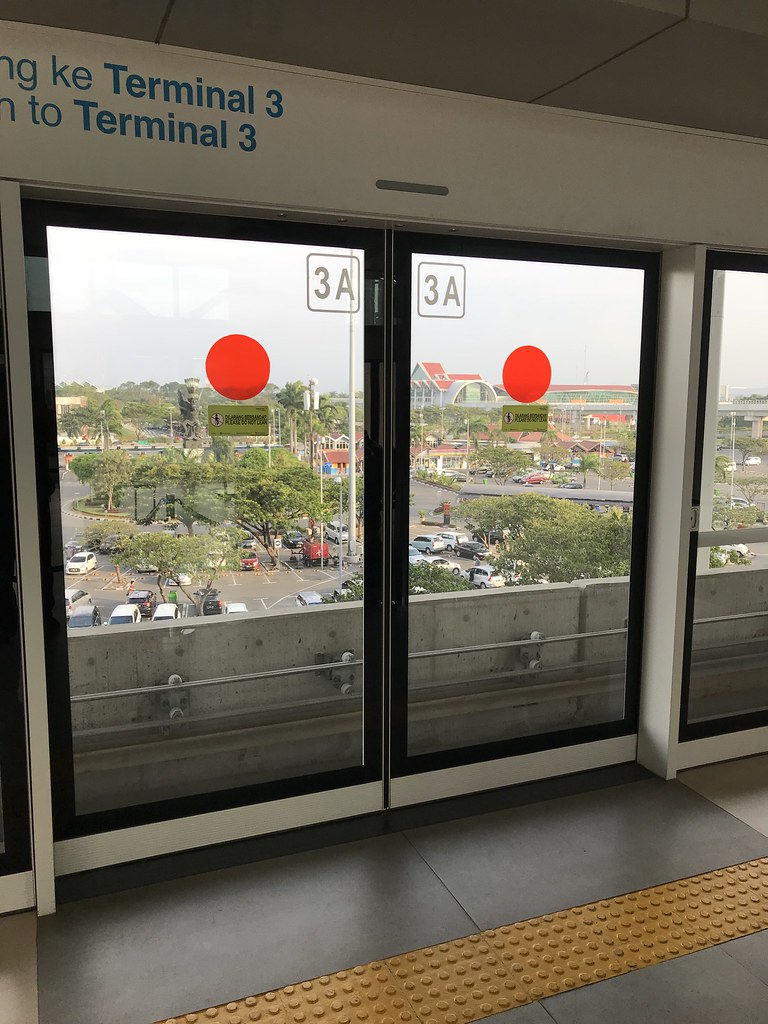
Visa-free entry for Indians will come to an end in Malaysia starting January 1, 2027, marking a significant change in travel policies.

Overview of Visa-Free Entry Changes

The recent announcement regarding visa-free entry for Indians has sparked significant concern among travelers. Starting from 1 January, 2027, Malaysia will terminate its three-year-old visa-free entry mandate for Indian citizens, marking a major shift in travel policies.

This decision has raised questions about the implications for Indian tourists, many of whom have enjoyed hassle-free access to Malaysia in recent years. The Malaysian government’s move aims to address various challenges, including security and immigration control.

Key reasons for this change include:

  • Security Concerns: Increased scrutiny over immigration practices.
  • Overstays: A rise in instances of tourists overstaying their visas.
  • Economic Factors: The need to enhance local tourism management.

As countries reevaluate their visa policies, the future of visa-free entry for Indians will undoubtedly be a topic of ongoing debate and concern.

Impact on Indian Travelers

The recent decision by Malaysia to end its visa-free entry for Indians starting January 1, 2027, is expected to significantly impact Indian travelers. Many had come to appreciate the convenience of traveling without the need for a visa, allowing for spontaneous trips and easier travel planning.

As the deadline approaches, travelers may need to consider alternative arrangements, including applying for visas and potentially facing longer wait times. This shift could disrupt travel plans for numerous Indians who plan to visit Malaysia for leisure, business, or family purposes.

Experts warn that this change could lead to:

  • Increased travel costs: The need for visa applications may add to overall expenses.
  • Reduced tourist numbers: The hassle of obtaining a visa might deter some travelers.
  • Changes in travel patterns: Indians may seek alternative destinations with easier entry requirements.

As this situation unfolds, the impact on Indian travelers will be closely monitored.

Reasons Behind the Policy Shift

The recent decision by Malaysia to end visa-free entry for Indians has raised concerns among travelers and industry experts alike. Several factors have been cited as reasons behind this policy shift.

  • Security Concerns: Malaysian authorities have expressed worries about potential misuse of the visa-free entry policy, leading to increased monitoring and stricter regulations.
  • Economic Factors: The Malaysian government aims to boost local tourism and business by controlling the influx of foreign visitors, particularly from countries with high population rates.
  • Reciprocity: Malaysia’s decision may stem from a desire to establish a balanced approach to international travel agreements, prompting a reevaluation of existing policies.
  • Diplomatic Relations: Changing dynamics in international relations may have influenced Malaysia’s position on visa-free entry for Indians, reflecting broader geopolitical considerations.

As these reasons unfold, the implications for Indian travelers and the tourism industry continue to be a topic of significant discussion.

Future of Travel Between India and Malaysia

The future of travel between India and Malaysia appears uncertain as Malaysian authorities announce significant changes to visa policies affecting Indian travelers. Beginning January 1, 2027, the previously established visa-free entry for Indians will come to an end, prompting concerns among frequent visitors and the tourism industry alike.

With the removal of visa-free entry for Indians, travelers may face increased hurdles, such as:

  • Higher Costs: The need for visa applications could lead to added expenses for travelers.
  • Longer Wait Times: Processing visas may result in delays, making spontaneous travel plans more difficult.
  • Impact on Tourism: Indian tourists have significantly contributed to Malaysia’s economy, and this change could deter potential visitors.

As both nations navigate these changes, discussions around tourism collaboration may become crucial. The shift raises questions about future relations and the potential for easing travel restrictions down the line.

By shankar s. via Openverse

Where this came from

Related reading

Trump news conference takeaways: Clear insights and lessons

Trump news conference takeaways reveal significant insights from the event that took place on Friday. The discussion covered various topics of interest to the public and media.

Key Topics Discussed at the Conference

During the recent Trump news conference, several key topics were highlighted that drew significant attention from both supporters and critics. Here are the main points discussed:

  • 2024 Presidential Campaign: Trump emphasized his commitment to running for president again, outlining his vision for the future of the country.
  • Economic Policy: The former president addressed his plans to revive the economy, focusing on tax reforms and job creation.
  • Foreign Relations: Trump reiterated his stance on China and Russia, suggesting a more aggressive approach to international relations.
  • Healthcare Reform: He proposed new ideas aimed at improving the healthcare system while reducing costs for Americans.
  • Border Security: Trump discussed the importance of enhancing border security and his plans to tackle illegal immigration.

These takeaways from Trump’s Friday news conference provide clear insights into his priorities and strategies, shaping the political landscape as the next election approaches.

Public Reactions to Trump’s Statements

The recent Trump news conference elicited a wide range of public reactions, reflecting the divided opinions surrounding his statements. Many supporters expressed enthusiasm, praising his bold assertions and promises for future initiatives. Conversely, critics voiced concerns about the implications of his remarks and the accuracy of his claims.

Social media platforms became a hotbed for discussions, with users sharing their thoughts and interpretations. Key reactions included:

  • Support for policy proposals: Some praised Trump’s commitment to addressing key issues, viewing his plans as necessary steps for economic recovery.
  • Criticism of factual accuracy: Detractors highlighted what they perceived as misinformation, calling for accountability and fact-checking.
  • Expressions of skepticism: A segment of the audience questioned whether his promises would materialize, citing past instances where commitments were not fulfilled.

Overall, the public’s response to the Trump news conference underscores the polarized landscape of American politics today, with the takeaways from his statements continuing to fuel debate and discussion.

Analysis of Trump’s Communication Style

In the recent news conference, Trump’s communication style was characterized by a combination of assertiveness and theatricality. He often employed a direct approach, using simple language that resonates with his base. This method is effective in conveying his messages, making them easily digestible for a wide audience.

Moreover, Trump frequently utilized repetition to emphasize key points, a tactic that not only reinforces his messages but also aids in retention among listeners. His use of anecdotes and personal stories added a relatable dimension to his remarks, allowing the audience to connect with him on a more personal level.

However, there were moments when his responses veered into defensiveness, particularly when addressing criticisms. This duality in his communication style often leaves audiences interpreting the nuances of his statements differently. Overall, the Trump news conference takeaways highlight a leader who skillfully navigates the media landscape, leveraging his unique style to engage supporters while also facing challenges in addressing dissent.

Trump’s Position on Current Issues

During the recent news conference, Trump articulated his positions on several pressing issues facing the nation. His comments provided clear insights and lessons that have resonated with both supporters and critics alike. Among the key topics he addressed were:

  • Economic Policies: Trump emphasized his commitment to promoting job growth and reducing inflation, arguing that his administration’s past policies effectively stimulated the economy.
  • Foreign Relations: He reiterated his stance on maintaining strong borders and asserted that his approach to dealing with allies and adversaries is crucial for national security.
  • Healthcare Reform: Trump called for a reevaluation of current healthcare policies, advocating for more affordable options for Americans.
  • Social Issues: He expressed his views on social justice initiatives, highlighting a need for balance between reform and maintaining public order.

These takeaways from Trump’s Friday news conference reflect his unwavering perspective on current issues, showcasing his strategic approach to engage with voters as he prepares for future political endeavors.

Trump news conference takeaways and implications

As attendees and analysts sift through the highlights of the recent press event, several critical takeaways from the Trump news conference emerge, offering insights into his strategic positioning moving forward.

  • Policy Direction: Trump reiterated his stance on various current issues, signaling a clear commitment to his previously established policies, which could have significant implications for his supporters and critics alike.
  • Voter Engagement: The former president emphasized the importance of energizing his base ahead of the upcoming elections, highlighting strategies aimed at increasing voter turnout.
  • Media Relations: Trump’s interactions with the press showcased his ongoing battle with mainstream media, suggesting that he may continue to leverage this dynamic to rally his supporters.
  • Strategic Messaging: The news conference illustrated Trump’s ability to frame narratives that resonate with his audience, potentially shaping public perception in his favor.
  • Future Plans: He hinted at forthcoming initiatives, leaving his audience speculating about the specifics and potential impacts on the political landscape.

These takeaways highlight the implications of Trump’s approach and emphasize his influence in contemporary politics.

The Trump news conference takeaways reveal a strategic shift in his messaging as he prepares for the upcoming election. Additionally, these Trump news conference takeaways provide insight into his approach to key issues that resonate with his base.

Where this came from

Related stories