
Unseasonal Rainfall Diseases: The Worst Threats Explained

Unseasonal rainfall diseases pose a significant threat to public health. With the unexpected downpours, the risk of vector and waterborne diseases increases dramatically.

Understanding Unseasonal Rainfall

Unseasonal rainfall has become a growing concern as it significantly alters the environmental conditions necessary for disease transmission. The unexpected downpours create a perfect breeding ground for various vectors, including mosquitoes and other insects, which thrive in wet conditions. This phenomenon not only increases the likelihood of vector-borne diseases but also raises the risk of waterborne illnesses.

Many communities are facing challenges in managing the aftermath of unseasonal rainfall diseases, which include:

  • Malaria: An increase in stagnant water can lead to a surge in mosquito populations, heightening malaria transmission.
  • Dengue Fever: The presence of additional breeding sites for Aedes mosquitoes can lead to outbreaks of dengue fever.
  • Cholera: Contaminated water sources can lead to the spread of cholera and other gastrointestinal diseases.

Addressing these health threats requires immediate action and community awareness to mitigate the impact of unseasonal rainfall diseases.

Impact on Public Health

The recent surge in unseasonal rainfall has significant implications for public health, particularly in the spread of various diseases. The excess moisture creates ideal breeding conditions for vectors such as mosquitoes, which can lead to outbreaks of diseases like malaria and dengue fever.

Additionally, waterlogged environments facilitate the contamination of water supplies, increasing the risk of waterborne diseases. Communities may face heightened exposure to illnesses such as:

  • Cholera
  • Typhoid
  • Hepatitis A

Health authorities are urging residents to take precautions as the connection between unseasonal rainfall and diseases becomes increasingly evident. Public health campaigns are crucial to educate populations on preventive measures, as the consequences of these diseases can be severe, particularly for vulnerable groups like children and the elderly.

Addressing these threats is essential to safeguard community health amidst the challenges posed by shifting weather patterns.

Vector-Borne Disease Risks

The occurrence of unseasonal rainfall has heightened the risk of vector-borne diseases, which pose significant threats to public health. As water stagnates in various areas, it creates ideal breeding grounds for disease-carrying vectors such as mosquitoes and ticks.

Some of the most concerning vector-borne diseases associated with unseasonal rainfall include:

  • Malaria: Spread by Anopheles mosquitoes, malaria cases tend to rise with increased rainfall, as stagnant water facilitates mosquito breeding.
  • Dengue Fever: Aedes mosquitoes thrive in urban areas with puddles and water storage, increasing the likelihood of dengue outbreaks.
  • Chikungunya: Similar to dengue, chikungunya is transmitted by Aedes mosquitoes, with symptoms often exacerbated by unseasonal conditions.

Health authorities emphasize the importance of monitoring and mitigating the risks associated with these unseasonal rainfall diseases to protect communities effectively.

Waterborne Disease Concerns

The recent surge in unseasonal rainfall has raised significant concerns about the proliferation of waterborne diseases. As the heavy rains lead to flooding, stagnant water becomes a breeding ground for pathogens, posing serious health risks to communities.

Among the most common waterborne diseases are:

  • Cholera: Often linked to contaminated water sources, cholera outbreaks can occur rapidly in affected areas.
  • Typhoid Fever: Spread through contaminated food and water, this disease can lead to severe complications if not treated promptly.
  • Leptospirosis: This bacterial infection is often contracted through contact with water contaminated by animal urine, which can increase during flooding.

Health officials are urging communities to take precautions to prevent the spread of these unseasonal rainfall diseases. Ensuring access to clean water, proper sanitation, and public awareness campaigns are critical in mitigating these risks.

Preventative Measures to Take

As unseasonal rainfall becomes increasingly prevalent, it is crucial to implement effective preventative measures to mitigate the risks associated with unseasonal rainfall diseases. Here are some essential steps individuals and communities can take:

  • Improve Water Management: Ensure that water storage containers are properly covered to prevent mosquito breeding.
  • Maintain Clean Environments: Regularly clean and remove stagnant water around homes and public areas.
  • Promote Hygiene Practices: Encourage handwashing and safe drinking water practices to reduce the spread of waterborne diseases.
  • Utilize Mosquito Control Methods: Employ insect repellents and use screens on windows and doors to keep pests at bay.
  • Educate the Community: Raise awareness about the symptoms of diseases linked to unseasonal rainfall and the importance of early medical intervention.

By taking these proactive measures, communities can effectively reduce the health risks posed by the emerging threats of unseasonal rainfall diseases.

Government Response to Health Threats

The government has initiated a multi-faceted response to combat the health threats posed by unseasonal rainfall diseases. Authorities are focusing on enhancing public health infrastructure and increasing awareness among communities about potential risks. Key actions include:

  • Monitoring and Surveillance: Health departments are ramping up efforts to monitor disease outbreaks, ensuring rapid response to any emerging threats.
  • Public Awareness Campaigns: Information is being disseminated to educate the public on recognizing symptoms of waterborne and vector-borne diseases.
  • Resource Allocation: Increased funding is being directed towards healthcare facilities to better prepare for the influx of cases linked to unseasonal rainfall.
  • Collaboration with NGOs: Partnerships with non-governmental organizations aim to improve outreach and provide essential services in affected areas.

These efforts are crucial in mitigating the impact of diseases and safeguarding public health during this unpredictable season.

Community Awareness and Education

Community awareness and education play a critical role in combating unseasonal rainfall diseases. As the patterns of rainfall shift, it is essential for residents to understand the risks associated with this phenomenon. Local health departments and non-profit organizations are working tirelessly to educate the public about the connection between unseasonal rainfall and the rise of various diseases.

Effective community outreach programs focus on the following:

  • Informing residents about the symptoms and prevention of vector-borne and waterborne diseases.
  • Encouraging proper sanitation practices to mitigate the effects of stagnant water, which can lead to outbreaks.
  • Utilizing social media and local events to spread awareness and share vital health information.

By fostering a well-informed community, the risks posed by unseasonal rainfall diseases can be significantly reduced, ultimately protecting public health.

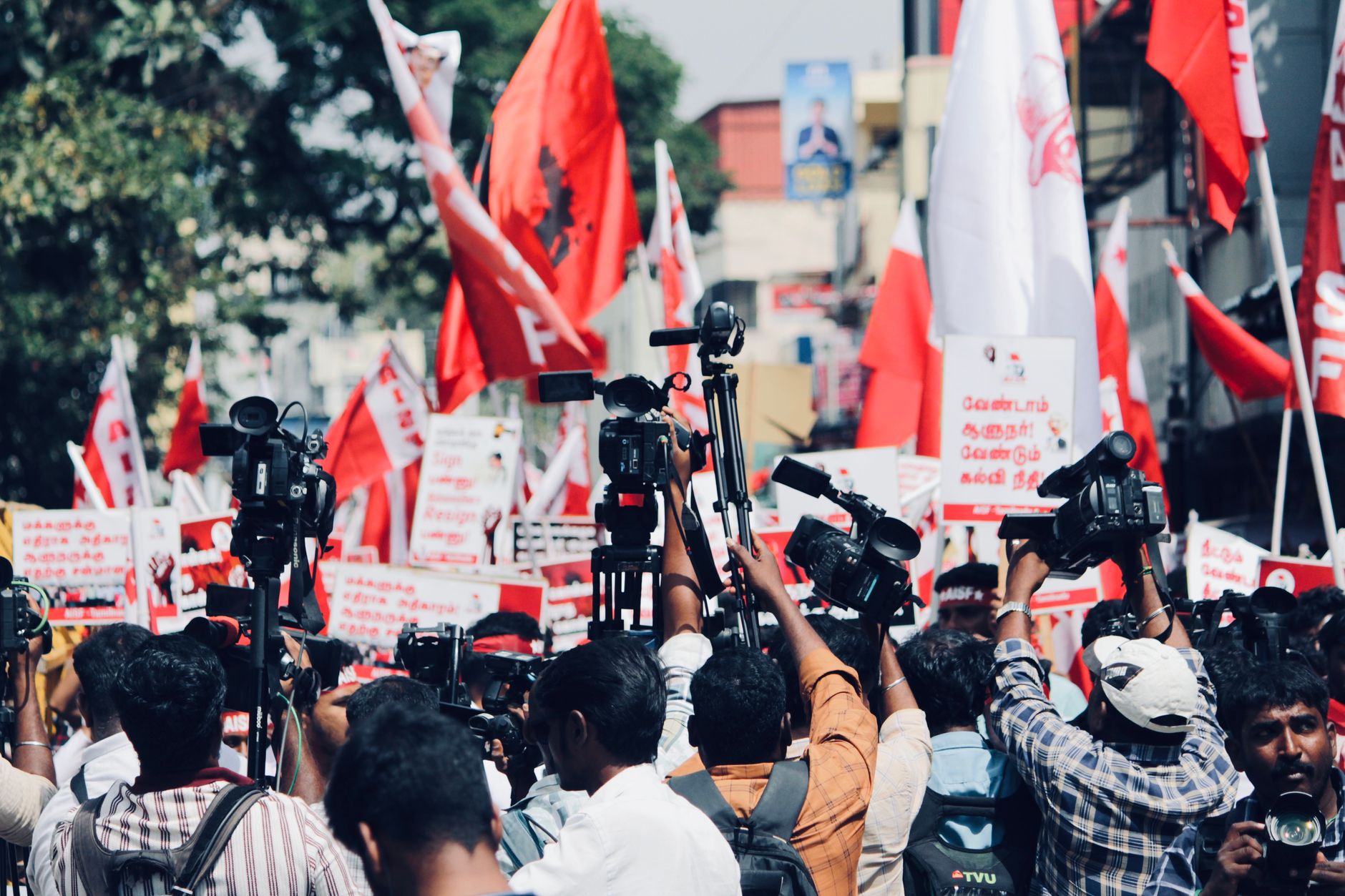
Photo by Andriy Nestruiev on Pexels

Sources

ETV Bharat

More on this site

Windows 11 RAM Usage: Worst Update Falls Short of Claims · DMK Meet News: Is It the Best Strategy for INDIA Bloc? · Trump Ukraine Starlink access: Honest denial of restrictions

Windows 11 RAM Usage: Worst Update Falls Short of Claims

Windows 11 RAM usage has come under scrutiny after the latest update fell short of Microsoft’s claims. Users expected a significant boost in responsiveness, but the reality is different.

Understanding Windows 11 RAM Usage

The recent update concerning Windows 11 RAM usage has sparked significant debate among users and tech experts alike. Microsoft had previously claimed that the latest version would be “20% more responsive,” a promise that many anticipated would enhance overall performance. However, the reality seems to fall short of these expectations.

Users have reported that, despite the update, their devices are still experiencing sluggishness and increased memory consumption. This situation has raised questions about the effectiveness of the optimizations that were promised. Here are some key points regarding the current state of RAM usage in Windows 11:

  • Higher Memory Footprint: Many applications appear to consume more RAM than in previous versions, leading to concerns about efficiency.
  • Background Processes: Users have noted that background processes continue to use significant memory, impacting overall system responsiveness.
  • Performance Monitoring: Tools for monitoring RAM usage show that the operating system may not be managing resources as effectively as claimed.
  • User Feedback: A growing number of users are voicing their dissatisfaction with the update on various platforms, highlighting their experiences of decreased performance.

As discussions continue, it remains to be seen whether Microsoft will address these concerns and make necessary adjustments to improve Windows 11 RAM usage.

What Microsoft Promised vs. Reality

In the lead-up to the launch of Windows 11, Microsoft made bold claims about the operating system’s performance, particularly regarding its RAM usage. The company asserted that users would experience a system that was 20% more responsive than its predecessor. However, as users have begun to adapt to this new environment, many have found the reality to be quite different.

Despite initial promises, numerous reports have surfaced outlining concerns about the actual RAM usage in Windows 11. Users are noticing that the operating system often consumes more memory than expected, leading to sluggish performance in various applications. This discrepancy has raised eyebrows and prompted discussions about the effectiveness of the update.

Some key points of contention include:

  • Increased Background Processes: Many users report that Windows 11 runs additional background tasks that weren’t present in Windows 10.
  • Compatibility Issues: Certain applications seem to require more RAM to operate smoothly, which contradicts Microsoft’s promises.
  • User Experience: Overall feedback indicates that many users feel the system is not as ‘lightweight’ as advertised.

As feedback continues to pour in, it remains clear that the initial claims about Windows 11 RAM usage have not been met with the expected performance, leading to frustration among users who expected a significant upgrade.

User Reactions to the Update

Following the recent update to Windows 11, user reactions have been overwhelmingly critical, particularly regarding the increased RAM usage. Many users expected enhancements in performance, especially with Microsoft’s claims of a “20% more responsive” system. However, the reality has left them feeling disappointed.

Social media platforms have been flooded with complaints as users share their experiences. Some have reported that their systems are slower and more sluggish than before, contradicting the promises made by Microsoft. A common sentiment among users is:

  • “My computer feels heavier than it did before the update.”
  • “I’ve noticed my RAM usage skyrocketing, and I’m not running any additional applications.”
  • “The performance improvement they promised is nowhere to be found.”

In light of these issues, many users are questioning whether the update was truly necessary. The criticism extends beyond just performance, as some have pointed out potential bugs and system instability. This has led to calls for Microsoft to address these concerns promptly, as the frustration continues to grow within the community.

As the dialogue surrounding Windows 11 RAM usage intensifies, users are left wondering if future updates will rectify the shortcomings of this latest release.

Future Expectations for Windows 11

As users continue to navigate the complexities of Windows 11 RAM usage, many are left pondering what the future holds for this operating system. With the mixed reactions surrounding the latest update, expectations are understandably cautious. Microsoft has promised enhancements that would greatly improve performance, yet numerous users report that their experiences do not align with these claims.

Looking ahead, it is essential for Microsoft to address the concerns raised by the community. Users are hopeful for a more streamlined approach to RAM management, one that genuinely reflects the ‘20% more responsive’ promise made by the tech giant. To regain trust, Microsoft must focus on:

  • Optimizing Performance: Ensuring that the operating system efficiently utilizes RAM resources without unnecessary consumption.
  • Regular Updates: Providing consistent improvements and addressing bugs promptly to enhance user experience.
  • User Feedback: Actively engaging with users to understand their issues and incorporating their suggestions into future updates.

Ultimately, the future of Windows 11 rests on Microsoft’s ability to deliver on its promises regarding RAM usage and overall system performance. Users remain hopeful, but they will need to see tangible results to feel confident in the platform moving forward.

Many users have reported that the Windows 11 RAM usage has increased significantly after the latest update, contrary to Microsoft’s claims of improved efficiency. This rise in Windows 11 RAM usage has led to frustration among those expecting a smoother experience.

Photo by Andrey Matveev on Pexels

Sources

ExtremeTech

Related reading

DMK Meet News: Is It the Best Strategy for INDIA Bloc? · Trump Ukraine Starlink access: Honest denial of restrictions · Unpaid challans in trucking: The Wrong Economics Explained

DMK Meet News: Is It the Best Strategy for INDIA Bloc?

DMK meet news highlights the significant gathering led by MK Stalin, focusing on the future of the INDIA Bloc amidst emerging rifts and strategic discussions.

Overview of the DMK Meet

The recent DMK meet has garnered significant attention as party leaders convened to strategize their position within the INDIA Bloc. The meeting, chaired by Chief Minister MK Stalin, focused on key issues affecting the coalition’s unity and effectiveness. Several important topics were discussed, highlighting the challenges the bloc faces ahead of upcoming elections.

  • Strengthening Alliances: The DMK emphasized the need to strengthen alliances with regional parties to present a united front against the opposition.
  • Addressing Delimitation Concerns: Delimitation and its implications for electoral representation were crucial topics, as leaders expressed concerns over fair representation for all communities.
  • Future Strategies: Discussions included formulating a cohesive strategy to enhance the visibility and appeal of the INDIA Bloc among voters.

As the meeting concluded, there were mixed reactions regarding whether the strategies discussed would effectively address the rifts within the INDIA Bloc or if they would merely serve as temporary fixes.

Key Figures in Attendance

The recent DMK meet attracted several key figures from various political backgrounds, indicating a unified front in the ongoing discussions regarding the INDIA Bloc. Among the notable attendees were:

  • MK Stalin – Chief Minister of Tamil Nadu and DMK President, who opened the discussions with a focus on collaboration.
  • Rahul Gandhi – Senior leader from the Congress party, emphasizing the need for collective strategies against rival parties.
  • Tejashwi Yadav – Deputy Chief Minister of Bihar and RJD leader, who shared insights on regional challenges.
  • Mamata Banerjee – West Bengal Chief Minister, advocating for a united approach to electoral strategies.
  • Sharad Pawar – Veteran politician from the NCP, offering his experience on coalition politics.

The presence of these influential leaders at the DMK meet underscores the importance of unity within the INDIA Bloc and raises questions about the effectiveness of their strategies moving forward.

Implications for the INDIA Bloc

The recent DMK meet has significant implications for the INDIA Bloc as it seeks to solidify its position against the ruling party. The gathering, led by Chief Minister MK Stalin, brought together key stakeholders who discussed strategies to enhance collaboration among various opposition parties.

One of the primary outcomes of the DMK meet was a renewed commitment to unity within the INDIA Bloc. Participants emphasized the need to address issues such as delimitation and electoral strategies to counter the government’s influence. This collective approach aims to build a stronger front ahead of upcoming elections, which could reshape the political landscape.

  • Strengthening Alliances: The meet focused on fostering stronger relationships among regional parties.
  • Addressing Delimitation Concerns: Leaders discussed the potential impact of delimitation on electoral outcomes.
  • Strategic Planning: A roadmap for the future was outlined to enhance cooperation.

Ultimately, the DMK meet news indicates a strategic pivot for the INDIA Bloc, striving to present a united opposition that can effectively challenge the status quo.

Analysis of the SIR Rift

The recent DMK meet has sparked significant discussion regarding the ongoing rift within the SIR (Sankalp, Integrity, and Reform) bloc. Analysts suggest that the divide could hinder the collective strength of the INDIA Bloc. The rift is characterized by differing priorities among the coalition members, particularly concerning the approach to regional delimitation and electoral strategies.

Key players in the DMK meet, including M.K. Stalin and other regional leaders, have expressed the need for unity to counter the challenges posed by rival political factions. However, the strategic disagreements reflect deeper ideological divides, making consensus difficult.

Some experts posit that this fragmentation might weaken the INDIA Bloc’s position ahead of upcoming elections. Is the DMK meet a decisive moment for reconciliation or merely a platform for airing grievances? As the analysis unfolds, the implications of this rift will be closely monitored, especially in the context of the upcoming electoral landscape. The DMK meet news continues to highlight the complexities of coalition politics in India.

Delimitation and Its Impact

The recent DMK meet has brought the topic of delimitation to the forefront, raising questions about its potential impact on the INDIA Bloc. Delimitation, the process of redrawing electoral boundaries, can significantly alter the political landscape, affecting representation and party strategies.

During the meeting, leaders discussed how recent delimitation exercises might influence upcoming elections, particularly in states where the DMK has a strong presence. Among the key points raised were:

  • Enhanced representation: Delimitation could lead to a fairer representation of various communities, potentially benefiting the DMK and its allies.
  • Strategic alliances: The reshaping of constituencies may prompt new alliances within the INDIA Bloc, as parties seek to maximize their electoral gains.
  • Voter dynamics: Changing boundaries could affect voter demographics, creating both challenges and opportunities for the bloc.

As discussions continue, the DMK meet signals a critical moment for strategizing around delimitation and its implications for the INDIA Bloc’s future.

Future Strategies for DMK

The recent DMK meet has sparked discussions about the future strategies of the party within the larger context of the INDIA Bloc. Party leaders emphasized the importance of unity and collaboration among regional parties to strengthen their position against the ruling coalition.

During the meet, several key strategies were proposed:

  • Strengthening Alliances: Building stronger connections with other regional parties to ensure a cohesive front.
  • Voter Outreach: Implementing grassroots campaigns to engage voters and address their concerns effectively.
  • Policy Focus: Prioritizing issues that resonate with the electorate, such as education and healthcare.
  • Communication Strategy: Enhancing communication channels to effectively convey the party’s vision and counter misinformation.

As the DMK meet concluded, the leadership remained optimistic about its future strategies being pivotal for the INDIA Bloc. With the right approach, the DMK aims to position itself not just as a significant player, but as a leader in the evolving political landscape.

Public Reactions to the Meet

Public reactions to the recent DMK meet have been varied, reflecting a spectrum of opinions on its potential impact on the INDIA Bloc. Many supporters of the DMK expressed optimism, believing that the meet could solidify alliances and strengthen the party’s position within the coalition.

  • Support for Unity: Some attendees highlighted the importance of unity among regional parties, suggesting that a cohesive front is essential to challenge the ruling government.
  • Concerns Over Strategy: Critics voiced concerns regarding the efficacy of the DMK’s strategies, questioning whether the outcomes of the meet would translate into practical action.
  • Focus on Local Issues: Several public commenters emphasized the need for the DMK to prioritize local issues over national politics, suggesting that grassroots engagement could enhance voter support.
  • Calls for Transparency: There were also calls for greater transparency in the decision-making process, with some citizens urging the DMK to openly communicate its strategies for the INDIA Bloc.

Overall, the reactions underscore a mix of hope and skepticism surrounding the DMK meet and its implications for the future of the INDIA Bloc.

Expert Opinions on Political Alliances

As political dynamics shift in India, the recent DMK meet has sparked a flurry of expert opinions on the effectiveness of the INDIA Bloc. Analysts are weighing in on the potential outcomes of the gathering, emphasizing its significance in shaping future alliances.

  • Dr. Aditi Sharma, a political analyst, noted, “The DMK meet could be a turning point for the INDIA Bloc, especially in bridging gaps among regional parties.”
  • Professor Rajesh Kumar commented, “The strategic collaborations formed here might counterbalance the challenges posed by the SIR rift.”
  • Ms. Leela Menon highlighted, “The DMK’s approach to coalition-building is crucial; they must leverage their influence to unify diverse interests.”

Many experts believe that the DMK meet is a crucial step in fostering solidarity among opposition parties, which could ultimately reshape the political landscape ahead of upcoming elections. As the discourse continues, the effectiveness of these alliances will be closely monitored by political observers.

The latest DMK meet news highlights the party’s strategic approach to strengthen alliances within the INDIA bloc. As political dynamics shift, the implications of the DMK meet news could play a crucial role in shaping future electoral outcomes.

Photo by SKR on Pexels

Where this came from

Related reading

Trump Ukraine Starlink access: Honest denial of restrictions

Trump Ukraine Starlink access has become a contentious issue as Trump denies any limitations on the network for Ukraine. This statement comes amid rising tensions in the region.

Understanding Trump’s Statement on Starlink Access

In recent statements, former President Donald Trump addressed claims regarding restrictions on Ukraine’s access to the Starlink satellite network. Responding to criticism, Trump emphatically denied any involvement in limiting the ability of Ukraine to utilize this crucial communication technology. His remarks came amid ongoing discussions about the role of private companies in supporting Ukraine amid its conflict with Russia.

Trump stated, “I have never restricted Ukraine’s access to Starlink. In fact, I support their right to use it fully.” This assertion aims to clarify his position amid accusations that he may have influenced access to the network during his presidency. The Starlink system, developed by SpaceX, has become a vital resource for Ukraine, providing internet connectivity in areas affected by the war.

Critics argue that access to Starlink is essential for Ukraine’s communication and operational effectiveness. In light of this, Trump’s comments were perceived as an attempt to distance himself from any narrative suggesting he played a role in limiting support for Ukraine.

In defending his stance, Trump emphasized the importance of supporting Ukraine’s sovereignty and its ability to communicate effectively with international allies. This has led to a broader conversation about the interplay between government policy and private sector initiatives, particularly in critical situations like the ongoing conflict in Ukraine.

The Importance of Starlink for Ukraine

The ongoing conflict in Ukraine has highlighted the critical role of advanced technology in modern warfare. Among these technologies, the Starlink satellite internet system has emerged as a vital tool for Ukrainian forces. As the situation evolves, reliable communication has become essential for coordinating military operations and ensuring the safety of personnel.

Starlink provides high-speed internet connectivity even in areas where traditional infrastructure has been damaged or destroyed. This capability allows troops to maintain communication with command centers, share intelligence in real-time, and operate unmanned aerial vehicles (UAVs) effectively. The importance of Starlink for Ukraine cannot be overstated, as it has enabled forces to remain agile and responsive amidst the chaos of war.

Moreover, the system has been instrumental in connecting civilians who have been displaced by the conflict. Access to information, news, and social media is crucial for maintaining morale and facilitating humanitarian efforts. As Starlink continues to expand its coverage, it offers hope for many who are navigating the challenges of war.

Despite recent discussions surrounding Trump Ukraine Starlink access, the former president has categorically denied any limitations imposed on Ukraine’s use of the network. His comments underscore the ongoing debate about the level of support provided to Ukraine in its fight against aggression. As the situation unfolds, the focus remains on ensuring that Ukrainian forces have the resources they need to succeed.

Trump’s Position on Military Aid

In a recent statement, former President Donald Trump addressed the ongoing debate surrounding military aid to Ukraine and the accessibility of the Starlink network. Trump firmly denied any allegations that he had imposed restrictions on Ukraine’s access to Starlink, emphasizing his commitment to supporting the nation amid ongoing conflict.

During a press conference, Trump stated, “I have never limited Ukraine’s access to Starlink. My priority has always been to ensure that Ukraine has the resources it needs to defend itself.” His remarks came in response to growing concerns among U.S. lawmakers regarding the implications of Starlink’s role in the conflict.

In his defense, Trump highlighted several key points:

  • Support for Ukraine: Trump reiterated his administration’s previous support for Ukraine, stating that he had facilitated military aid during his presidency.
  • Starlink’s Strategic Importance: He acknowledged the vital role that Starlink plays in maintaining communication and operational capabilities for Ukrainian forces.
  • Future Aid Plans: Trump hinted at possible future support, suggesting that any decisions regarding military aid should be taken carefully, considering the broader implications for U.S. interests.

As the discourse continues, Trump’s position on military aid and Ukraine’s access to Starlink remains a focal point of contention, reflecting the complexities of U.S. foreign policy in the region.

Reactions to Trump’s Denial

Reactions to Donald Trump’s recent denial of restricting Ukraine’s access to the Starlink satellite network have been mixed, with various political figures and analysts weighing in on the implications of his statement. While Trump asserts that he has not imposed limitations on Ukraine’s Starlink access, critics argue that his past comments and actions suggest otherwise.

  • Political Analysts: Many analysts believe that Trump’s denial may be a strategic move to distance himself from potential backlash regarding military support for Ukraine. They emphasize the importance of continuous access to Starlink for Ukraine’s defense and communication efforts.
  • Ukrainian Officials: Some Ukrainian officials have expressed skepticism about Trump’s claims, highlighting that reliable access to Starlink is crucial for their military operations. They urge that any perceived restrictions could have dire consequences for their ongoing conflict with Russia.
  • Opposition Politicians: Critics within the U.S. political landscape have pointed to previous statements made by Trump that cast doubt on his commitment to supporting Ukraine. They note that consistent support for technology like Starlink is essential for Ukraine’s sovereignty and security.

As the debate continues, the overall consensus seems to be that while Trump may deny limiting Ukraine’s access to Starlink, the reality of the situation is far more complex, and the implications of his rhetoric remain significant.

Future Implications for Ukraine’s Internet Access

The implications of Trump’s statements regarding Ukraine’s access to Starlink are significant as the nation continues to rely heavily on satellite internet for communication and operational effectiveness in the ongoing conflict. With the evolving nature of warfare, reliable internet access has become crucial for Ukraine’s military and civilian infrastructure.

Experts suggest that the unrestricted use of Starlink could enhance Ukraine’s capabilities in several ways:

  • Improved Communication: Unhindered access to Starlink may facilitate seamless communication between military units, enabling more coordinated operations and faster response times.
  • Enhanced Intelligence Gathering: With consistent internet connectivity, Ukraine can better gather and analyze intelligence, which is essential for strategic planning and decision-making.
  • Support for Civilian Needs: Starlink access is vital for civilian services, including healthcare and education, which have been disrupted by the conflict. Maintaining connectivity can help stabilize these critical areas.
  • Global Awareness: A robust internet network can amplify Ukraine’s voice on the international stage, ensuring that global attention remains focused on their plight and garnering continued support.

As discussions about military aid and support evolve, the future of Ukraine’s internet access through platforms like Starlink will likely remain a focal point, particularly in light of Trump’s comments and the ongoing geopolitical dynamics.

The debate surrounding Trump Ukraine Starlink access has ignited discussions about the implications for international relations. Many are questioning whether the honest denial of restrictions will truly hold in the face of ongoing geopolitical tensions.

Photo by Víctor C. on Pexels

Read the original

You might also like