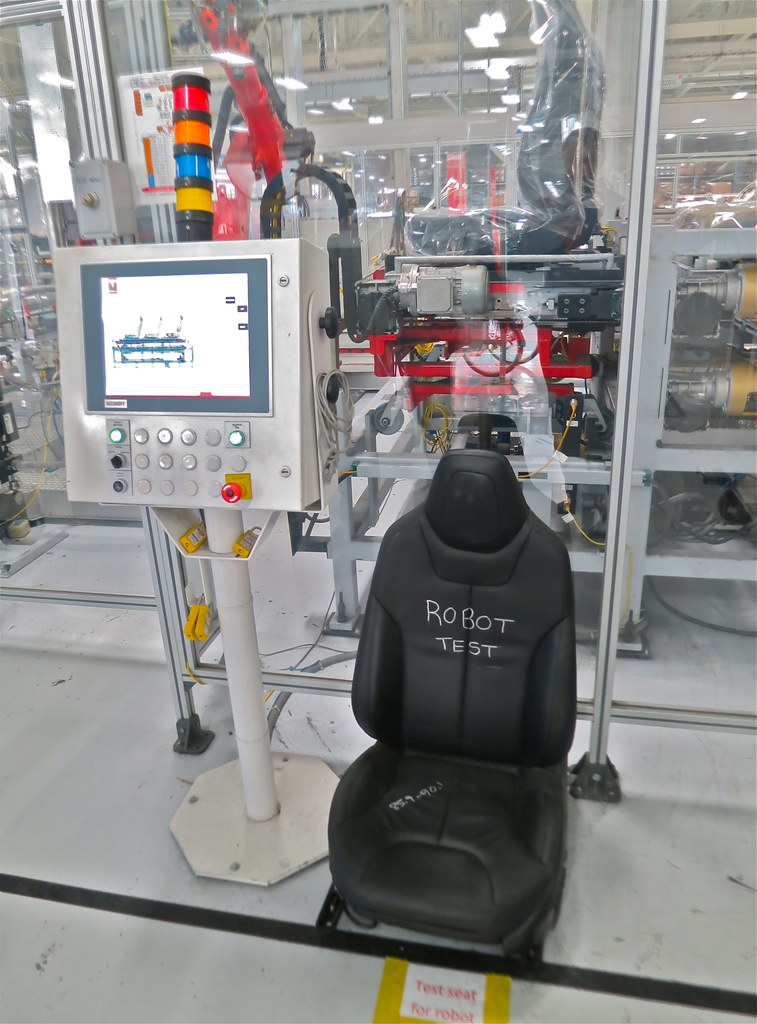

Tesla robot production: Worst profit drop in years
Tesla robot production is ramping up in California, but the company faces significant challenges as profits have fallen 43%. This development highlights a turbulent period for the electric vehicle giant.
Overview of Tesla’s robot production
Tesla’s recent foray into robot production has garnered significant attention, especially amidst a notable decline in profits. The company has embarked on developing the Optimus robot, aiming to revolutionize automation in various industries. The production of this humanoid robot is taking place in California, where Tesla has invested heavily in research and development.
Despite the excitement surrounding the launch, Tesla reported a staggering 43% drop in profits, raising concerns among investors and analysts alike. The challenges in scaling up production and meeting ambitious targets for the Optimus robot have contributed to this financial downturn. As the company navigates the complexities of robot manufacturing, it faces competition from established players in the robotics market.
Key factors influencing Tesla’s robot production include:
- Technological advancements in AI and machine learning
- Supply chain disruptions affecting component availability
- Market demand for automation solutions
As Tesla continues to develop its Optimus robot, the industry watches closely to see if the company can rebound from this profit decline while paving the way for future innovations in robotic technology.
Impact on Tesla’s profits
Tesla’s recent foray into robot production has come at a significant cost, leading to the company’s worst profit drop in years. According to financial reports, Tesla’s profit plummeted by 43%, a stark contrast to the optimistic projections made earlier in the year. The decision to ramp up production of the Optimus robot in California has raised both hopes and concerns among investors.
The increase in expenditures associated with the development and manufacturing of these advanced robots appears to be a double-edged sword. While the potential for innovative breakthroughs in automation is promising, the immediate financial repercussions are undeniable. Industry analysts have pointed out that:
- The substantial investment in research and development has strained cash flow.
- Production delays and scaling challenges have compounded operational costs.
- Market competition is intensifying, further pressuring profit margins.
As Tesla continues to push forward with its robot production initiatives, the company faces the challenge of balancing innovation with profitability. Moving forward, stakeholders will be closely monitoring the financial impacts of these ambitious projects, as the future of Tesla’s profits hangs in the balance.
Future of Optimus robots
The future of Optimus robots at Tesla appears to be a critical point of focus as the company navigates its recent profit challenges. With a reported 43% decline in profits, Tesla’s investment in robot production has raised questions regarding its sustainability and potential impact on the overall business model.
Despite the financial hurdles, Tesla remains committed to enhancing the functionality and efficiency of its Optimus robots. The company aims to integrate these robots into various aspects of manufacturing and logistics, which could ultimately lead to reduced operational costs.
Key factors influencing the future of Tesla’s robot production include:
- Technological advancements: Ongoing innovations in artificial intelligence and robotics could significantly enhance the capabilities of Optimus robots.
- Market demand: As industries increasingly adopt automation, the demand for efficient robotic solutions may rise, providing new opportunities for Tesla.
- Regulatory environment: Compliance with safety standards and regulations will be crucial for the widespread deployment of these robots.
In conclusion, while the immediate financial outlook may seem bleak, the long-term vision for Tesla’s robot production could still hold transformative potential for the company and its operations.
Market reaction to profit decline
The recent announcement of a 43% drop in Tesla’s profits has sent shockwaves through the market, leading to a notable reaction among investors and analysts. With the spotlight on Tesla’s robot production, particularly the much-anticipated Optimus robots, traders have expressed concerns regarding the company’s ability to balance innovation with profitability.
Following the profit report, Tesla’s stock experienced a significant decline, leading many to reassess their investment strategies. Analysts have pointed out that while the ambitious plans for robot production could position Tesla at the forefront of automation, the immediate financial implications are troubling.
- Investor Sentiment: Confidence in Tesla’s long-term vision remains, but short-term fears are growing.
- Market Volatility: The stock market reacted swiftly, with many predicting further fluctuations as the company navigates this challenging period.
- Future Outlook: While Tesla’s robot production holds potential, the current profit decline raises questions about the sustainability of its ambitious projects.
As the market digests these developments, the focus remains on whether Tesla can effectively integrate its innovations in robot production without compromising financial stability.
Comparative analysis with competitors
In the realm of automation, Tesla’s robot production is facing stiff competition from established players and emerging startups alike. While Tesla’s Optimus initiative has garnered significant attention, it is essential to assess its performance relative to competitors.
Firstly, Boston Dynamics continues to lead the industry with its highly advanced robotic systems. Their robots, such as Spot and Stretch, are renowned for their agility and versatility, appealing to various sectors, including logistics and manufacturing.
Secondly, ABB has also made substantial strides in industrial automation. Their collaborative robots, known as cobots, are designed to work alongside humans, enhancing productivity without compromising safety. This focus on human-robot collaboration poses a challenge for Tesla, as customers prioritize ease of integration into existing workflows.
Moreover, Amazon has invested heavily in robotics for warehouse automation. The company’s acquisition of Kiva Systems has allowed it to streamline operations significantly, setting a high bar for efficiency and cost-effectiveness.
As Tesla navigates its current profit decline, the competitive landscape highlights the need for strategic innovation in its robot production to regain market leadership and investor confidence.
What this means for Tesla’s future
The recent decline in profits marks a significant moment for Tesla, particularly as it ramps up its robot production efforts with the Optimus model. The 43% drop in profits has raised concerns among investors and analysts about the long-term implications for the company. With heavy investments directed towards automation and robotics, questions arise regarding the sustainability of such expenditures in the face of declining profit margins.
As Tesla pushes forward with its ambitious plans, the success of the Optimus robot could be a pivotal factor in regaining investor confidence. If the production of these robots can lead to cost savings and increased efficiency, it may offset the current profit downturn. However, there is a risk that if the robots do not meet market demands or fail to generate the anticipated revenue, Tesla could face prolonged financial strain.
Furthermore, the competitive landscape is intensifying as other automakers and tech companies also delve into robotics. For Tesla to differentiate itself and secure its market position, the robot production strategy must not only succeed but also innovate ahead of competitors. The coming months will be crucial in determining whether Tesla can navigate these challenges effectively.
The recent financial report highlights the challenges facing Tesla robot production, indicating a significant decline in profits. As the company navigates these hurdles, many analysts are closely watching how Tesla robot production will adapt to meet market demands.
By jurvetson via Openverse
Where this came from
Marco Rubio Oil Deal: The Smart Move for India · New jobs Newcastle: Are these the best opportunities now? · Technology Companies Insights: Proven Strategies from Analysts