
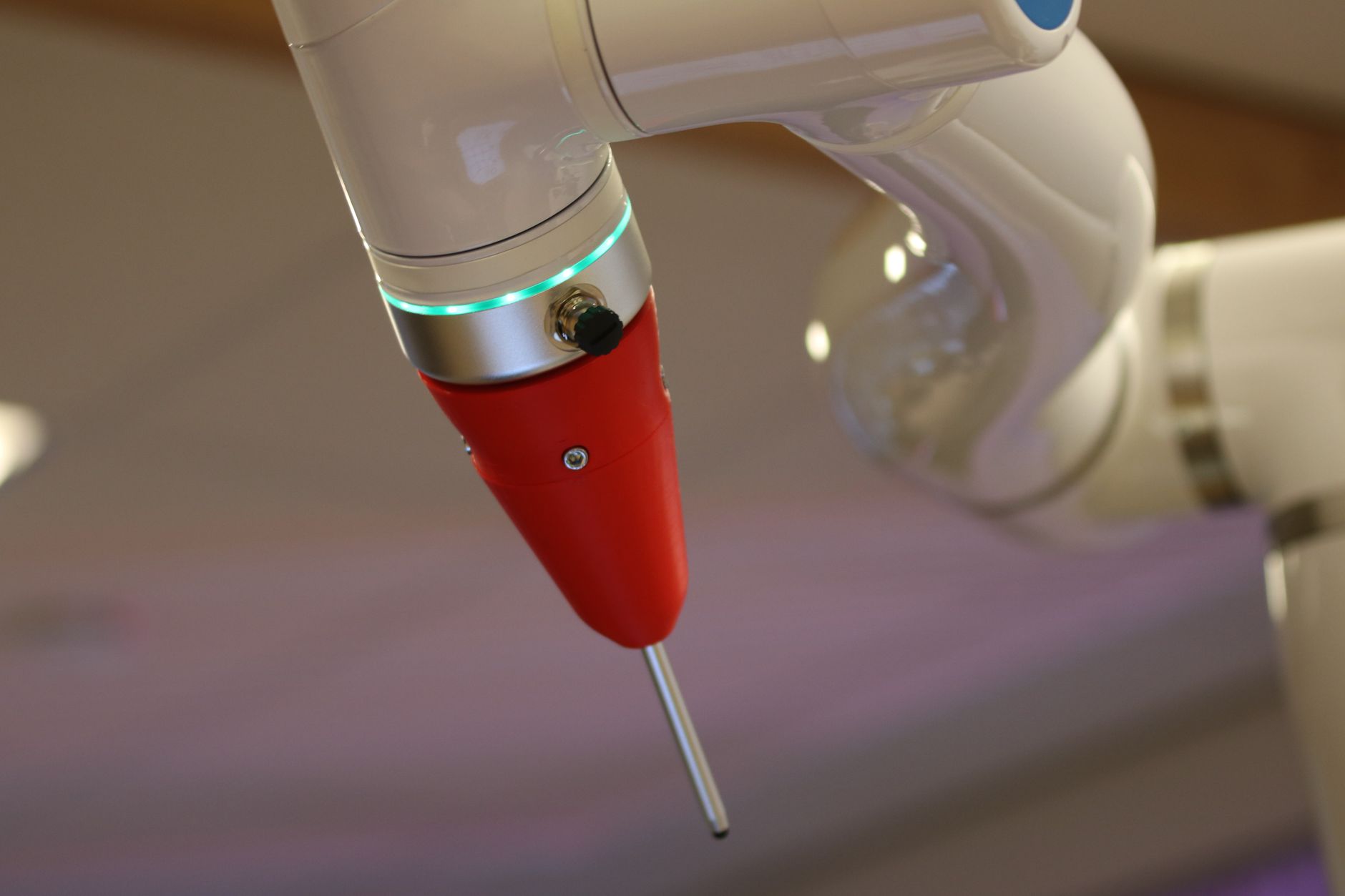

ASTRA robot antenna: The Best Proven Innovation in Orbit
ASTRA robot antenna is making headlines as it successfully builds part of an antenna frame in orbit. This innovative technology from Caltech showcases the future of space exploration and construction.
What is the ASTRA Robot?
The ASTRA robot antenna represents a groundbreaking advancement in space technology. Developed by researchers at Caltech, this innovative robot is designed to construct components of antenna frames directly in orbit, a feat that has never been accomplished before. The ASTRA robot employs sophisticated robotics and automation techniques, allowing it to assemble large structures in the challenging environment of space.
One of the key features of the ASTRA robot is its ability to operate autonomously. This independence reduces the need for human intervention, which can be costly and complex in space missions. The robot is equipped with advanced sensors and tools that enable it to manipulate materials with precision, ensuring that each part of the antenna frame is constructed accurately.
As space exploration evolves, the significance of the ASTRA robot becomes increasingly apparent. Its capabilities can lead to the development of more efficient and flexible satellite systems. The potential applications of the ASTRA robot antenna technology extend beyond communications, impacting research, earth observation, and even interplanetary missions.
In summary, the ASTRA robot is not just a technological marvel; it is a vital step toward the future of space construction and exploration.
How ASTRA Builds in Orbit
The ASTRA robot antenna represents a significant advancement in satellite technology, particularly in how components are constructed in space. Utilizing a combination of robotics and artificial intelligence, the ASTRA can autonomously build structures that are essential for satellite functionality.
One of the primary advantages of the ASTRA is its ability to operate in the harsh environment of orbit. This capability allows it to:
- Assemble components: The robot can piece together parts of an antenna frame, ensuring precision and reducing the need for human intervention.
- Optimize resources: By fabricating parts directly in space, ASTRA minimizes the amount of material that must be launched from Earth, significantly lowering costs.
- Enhance adaptability: The robot is programmed to adjust its strategies based on real-time feedback, allowing it to tackle a variety of construction tasks effectively.
The development of the ASTRA robot antenna showcases a new era in satellite deployment, where in-orbit assembly not only enhances efficiency but also paves the way for more complex space missions in the future. As technology continues to evolve, the potential applications for ASTRA’s innovative capabilities are limitless.
The Importance of Antenna Frames
The design and construction of antenna frames are crucial for the effectiveness of satellite communications. The ASTRA robot antenna plays a pivotal role in this regard, showcasing the benefits of robotic assembly in space. As satellites become more complex, traditional methods of building antenna frames on Earth prove insufficient for the demands of modern missions.
One of the primary advantages of using the ASTRA robot is its ability to operate in the harsh conditions of space, where human intervention is limited. This innovation allows for:
- Precision Assembly: The ASTRA robot can meticulously construct antenna frames, ensuring that every component is correctly integrated.
- Time Efficiency: By building antenna frames in orbit, the ASTRA robot significantly reduces the time needed for satellite deployment.
- Cost Savings: Minimizing launches and on-site construction cuts down overall mission costs, making space exploration more accessible.
As satellite technology advances, the importance of reliable and effective antenna frames cannot be overstated. The ASTRA robot demonstrates how robotic innovation is reshaping our approach to building essential components in orbit.
Caltech’s Role in Space Innovation
Caltech has played a pivotal role in advancing space technology, particularly with the development of the ASTRA robot antenna. This innovative project highlights the intersection of robotics and aerospace engineering, showcasing how automated systems can enhance space missions.
Researchers at Caltech have been instrumental in designing the ASTRA robot, which is capable of assembling complex structures in the harsh environment of space. The integration of the ASTRA robot antenna into satellite systems marks a significant milestone in improving communication capabilities for future missions.
Key contributions from Caltech include:
- Research and Development: Caltech scientists have focused on creating reliable robotic systems that can operate autonomously in orbit.
- Collaboration: The university has partnered with various space agencies and organizations to refine the technology behind the ASTRA robot.
- Education: Caltech has trained the next generation of engineers and scientists to innovate in the field of aerospace technology.
As the ASTRA robot antenna continues to evolve, Caltech remains at the forefront of space innovation, pushing the boundaries of what is possible in satellite communication and assembly.
Future of Robotics in Space
The future of robotics in space is poised for significant advancements, particularly with innovations like the ASTRA robot antenna. As space missions become increasingly complex, the demand for efficient and reliable robotic systems grows. These systems are expected to perform tasks that are too dangerous or impractical for humans, enabling more ambitious exploration of our solar system and beyond.
One of the most promising developments is the integration of advanced robotic technologies into satellite construction and maintenance. This evolution is exemplified by the ASTRA robot, which not only constructs parts of antenna frames but does so autonomously in orbit. Such capabilities minimize the need for human intervention, thus reducing risks and costs associated with space missions.
Looking ahead, robotics will play a critical role in enhancing satellite functionality, including improving communication networks and ensuring global data transmission. With the successful implementation of the ASTRA robot antenna, we may witness an era where robotic systems operate seamlessly in space, paving the way for new scientific discoveries and technological advancements.
As these technologies continue to evolve, the possibilities for future missions are boundless, promising a new frontier in our understanding of space and robotics.
Challenges in Space Construction
The development and deployment of the ASTRA robot antenna have not come without challenges in the realm of space construction. Engineers and scientists face numerous obstacles that can hinder progress in the harsh environment of space.
- Zero Gravity Effects: Working in microgravity presents unique difficulties, as traditional construction techniques become impractical. The ASTRA robot must maneuver carefully to ensure precision.
- Material Limitations: The materials used in space must withstand extreme temperatures and radiation. Selecting the right materials for the ASTRA robot antenna is crucial to ensure longevity and functionality.
- Communication Delays: The lag in communication between Earth and the robot can lead to complications. Real-time adjustments are often not feasible, requiring the ASTRA robot to operate autonomously in many situations.
- Assembly Complexity: The intricate design of the antenna frame necessitates a high level of accuracy in assembly, which poses a challenge for robotic systems.
Despite these challenges, the ongoing advancements in robotics and AI continue to push the boundaries of what is achievable in space construction. The ASTRA robot antenna represents a significant step forward in overcoming these obstacles.
Success Stories of ASTRA
The ASTRA robot antenna has already shown significant potential through various success stories that highlight its capabilities and innovations in space construction. One of the most notable achievements involves the assembly of complex structures in a zero-gravity environment, where traditional methods face numerous challenges.
Successful missions utilizing the ASTRA robot have demonstrated:
- Efficiency: The ASTRA has been able to complete tasks in a fraction of the time compared to human astronauts, allowing for quicker deployment of essential satellite components.
- Precision: Utilizing advanced algorithms, the ASTRA robot antenna constructs with remarkable accuracy, minimizing errors that could lead to mission failures.
- Cost-effectiveness: By reducing the need for extensive human resources in space missions, the ASTRA has helped lower operational costs significantly.
Furthermore, the collaboration between Caltech and various space agencies has facilitated the rapid evolution of the ASTRA technology, paving the way for future advancements. As the demand for satellite communication grows, the importance of innovations like the ASTRA robot antenna cannot be overstated. These success stories not only illustrate the robot’s capabilities but also inspire confidence in future robotic endeavors in space.
Photo by Freek Wolsink on Pexels